Hey there! I'm a supplier of Coupling Short Shanks, and today I wanna talk about whether these little guys are resistant to wear and tear.
First off, let's understand what a Coupling Short Shank is. It's a crucial component in many mechanical systems, used to connect different parts together. You can find them in all sorts of machinery, from small household appliances to big industrial equipment.
Now, the big question: Are they resistant to wear and tear? Well, it depends on a few factors.
Material Matters
The material used to make the Coupling Short Shank plays a huge role in its wear - resistance. Most of the ones I supply are made from high - quality metals like steel or brass. Steel is known for its strength and durability. It can withstand a lot of stress and friction without getting damaged easily. Brass, on the other hand, is corrosion - resistant and has good machinability.
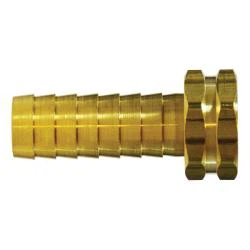
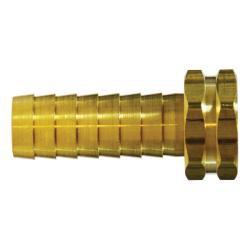
For example, our Rod Brass 2 Shank is made from brass. Brass has a natural resistance to oxidation, which means it won't rust easily. This is great for applications where the shank might be exposed to moisture or chemicals. And when it comes to wear, the smooth surface of brass reduces friction, which in turn reduces wear.
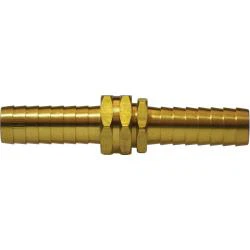
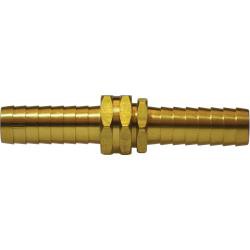
The Rod Brass Long 2 Shank also benefits from the properties of brass. Its longer design might be used in different applications, but the material still provides good wear - resistance. However, if you need even more strength, steel might be a better choice. Steel shanks can handle heavier loads and more intense friction, making them ideal for industrial settings.
Design and Manufacturing
The design of the Coupling Short Shank is another important factor. A well - designed shank will distribute the load evenly across its surface. This means that no single point on the shank will bear too much stress, reducing the chances of wear.
Our manufacturing process is also top - notch. We use precision machining techniques to ensure that the shanks are made to exact specifications. This results in a smooth finish and a perfect fit. When a shank fits properly, it reduces the amount of movement and vibration, which are major causes of wear and tear.
Operating Conditions
The environment in which the Coupling Short Shank operates can have a big impact on its wear - resistance. If it's in a clean, dry environment with low levels of dust and debris, it will last longer. But if it's in a harsh environment, like a construction site or a chemical plant, it will face more challenges.
In a dusty environment, the dust particles can act like sandpaper, wearing down the surface of the shank. In a chemical plant, the shank might be exposed to corrosive chemicals that can eat away at the material. To combat these issues, we offer shanks with special coatings. These coatings can provide an extra layer of protection against wear, corrosion, and abrasion.
Maintenance
Proper maintenance is key to ensuring the long - term wear - resistance of Coupling Short Shanks. Regular cleaning can remove dirt and debris that could cause wear. Lubrication is also important. A well - lubricated shank will have less friction, which means less wear.
We provide detailed maintenance instructions with every shank we sell. Following these instructions can significantly extend the lifespan of the shank. And if there are any signs of wear, we offer replacement parts and repair services.
Testing and Quality Assurance
Before we send out any Coupling Short Shanks, we put them through a series of tests. We test for strength, durability, and wear - resistance. We use advanced testing equipment to simulate real - world conditions and ensure that our shanks can handle the stress.
Our quality assurance team is always on the lookout for any defects. Only shanks that meet our high standards are allowed to leave our facility. This way, you can be confident that you're getting a product that will last.
Conclusion
So, to answer the question, yes, Coupling Short Shanks can be resistant to wear and tear. But it depends on the material, design, operating conditions, maintenance, and quality assurance. As a supplier, we do our best to provide you with shanks that are built to last.
If you're in the market for Coupling Short Shanks, whether it's the Rod Brass 2 Shank or the Rod Brass Long 2 Shank, we've got you covered. We offer a wide range of options to suit different needs and budgets.
If you have any questions or want to discuss your specific requirements, don't hesitate to reach out. We're here to help you find the perfect Coupling Short Shank for your application. Let's start a conversation and see how we can work together to get you the best products.
References
- "Mechanical Engineering Handbook" by Myer Kutz
- "Materials Science and Engineering: An Introduction" by William D. Callister Jr. and David G. Rethwisch