As a supplier of Garden Female Hoses, I often encounter inquiries from customers about the resistance of these hoses to chemical damage. This is a crucial aspect, especially considering the diverse range of chemicals that garden hoses may come into contact with, such as fertilizers, pesticides, and cleaning agents. In this blog, I'll delve into the factors that determine a garden female hose's chemical resistance, share insights on how to choose the right hose for chemical - exposed environments, and highlight our product offerings in this regard.
Understanding Chemical Damage to Garden Hoses
Before we discuss resistance, it's important to understand how chemicals can damage garden hoses. Different chemicals have varying levels of reactivity with the materials used in hose manufacturing. For instance, strong acids and alkalis can cause degradation of the hose material. This degradation may manifest as swelling, cracking, or a loss of flexibility. Over time, these changes can compromise the structural integrity of the hose, leading to leaks and reduced performance.
The type of material used in the hose is a primary determinant of its chemical resistance. Common materials for garden hoses include rubber, PVC (polyvinyl chloride), and polyurethane. Each material has its own set of chemical resistance properties.
- Rubber Hoses: Natural rubber hoses are relatively sensitive to chemicals. They can be damaged by oils, solvents, and some strong acids. However, synthetic rubber hoses, such as EPDM (ethylene propylene diene monomer), offer better chemical resistance. EPDM is resistant to many common garden chemicals, including mild acids and alkalis. It also has good weather resistance, making it suitable for outdoor use.
- PVC Hoses: PVC is a widely used material in garden hoses due to its low cost and flexibility. It has moderate chemical resistance. PVC hoses can withstand some household cleaning agents and mild fertilizers. However, they are less resistant to solvents and some petroleum - based chemicals. Prolonged exposure to these substances can cause the PVC to become brittle and crack.
- Polyurethane Hoses: Polyurethane hoses are known for their excellent abrasion resistance and flexibility. In terms of chemical resistance, they are generally more resistant than PVC hoses. They can handle a wider range of chemicals, including some solvents. However, they may still be affected by strong acids and alkalis over time.
Factors Affecting Chemical Resistance
Apart from the material, several other factors can influence a garden female hose's resistance to chemical damage:
- Concentration of the Chemical: Higher concentrations of chemicals are more likely to cause damage. For example, a highly concentrated pesticide solution may be more corrosive to the hose than a diluted one.
- Duration of Exposure: The longer the hose is in contact with a chemical, the greater the chance of damage. If a hose is left soaked in a chemical solution for an extended period, it is more likely to experience degradation.
- Temperature: Higher temperatures can accelerate chemical reactions. When a hose is exposed to chemicals at elevated temperatures, the rate of damage may increase.
Our Garden Female Hoses and Chemical Resistance
At our company, we offer a range of garden female hoses designed to meet different chemical - exposure requirements.
- EPDM Rubber Hoses: Our EPDM rubber garden female hoses are an excellent choice for environments where chemical resistance is a concern. These hoses can withstand a variety of common garden chemicals, including fertilizers and mild pesticides. They are also resistant to UV rays and ozone, ensuring long - term durability in outdoor settings.
- Polyurethane Hoses: For more demanding chemical - exposure scenarios, our polyurethane hoses are a great option. They have better chemical resistance compared to many other materials and can handle a wider range of solvents and chemicals. Their flexibility and abrasion resistance also make them suitable for various garden applications.
Compatibility with Hose Fittings
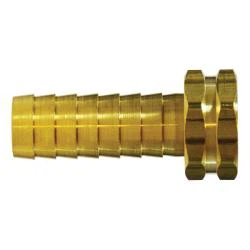
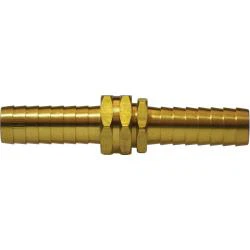
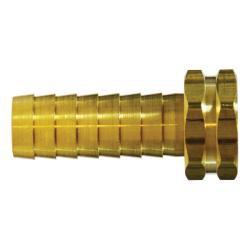
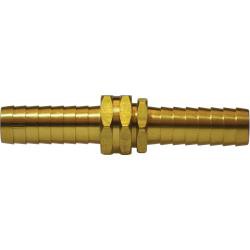
When considering chemical resistance, it's also important to think about the hose fittings. Our company offers high - quality fittings, such as the Rod Brass 2 Shank and Rod Brass Long 2 Shank. These brass fittings are corrosion - resistant and can work well with our chemical - resistant hoses. They provide a secure connection and ensure that the entire hose system remains functional even when exposed to chemicals.
Tips for Maintaining Chemical Resistance
To maximize the chemical resistance of your garden female hose, here are some tips:
- Rinse After Use: After using the hose with chemicals, rinse it thoroughly with clean water. This helps to remove any residual chemicals and reduces the risk of long - term damage.
- Store Properly: Store the hose in a cool, dry place away from direct sunlight and chemicals. This can prevent unnecessary exposure and extend the hose's lifespan.
- Inspect Regularly: Regularly inspect the hose for signs of damage, such as cracks or swelling. If you notice any issues, replace the hose promptly to avoid leaks and further damage.
Choosing the Right Hose for Your Needs
When selecting a garden female hose, consider the following:
- Type of Chemicals: Identify the types of chemicals the hose will come into contact with. If you mainly use mild fertilizers and cleaning agents, a PVC or EPDM hose may be sufficient. However, if you work with more aggressive chemicals, a polyurethane hose may be a better choice.
- Frequency of Use: If you use chemicals frequently in your garden, invest in a hose with higher chemical resistance. This can save you money in the long run by reducing the need for frequent hose replacements.
- Budget: While chemical - resistant hoses may be more expensive, they offer better durability and performance. Consider your budget and balance it with the level of chemical resistance you require.
Conclusion
In conclusion, the resistance of garden female hoses to chemical damage depends on several factors, including the material, concentration of chemicals, duration of exposure, and temperature. At our company, we offer a variety of hoses, such as EPDM rubber and polyurethane hoses, that are designed to provide different levels of chemical resistance. Our high - quality hose fittings, like the Rod Brass 2 Shank and Rod Brass Long 2 Shank, are also corrosion - resistant and compatible with our hoses.
If you're in the market for a garden female hose with excellent chemical resistance, we'd love to hear from you. Whether you're a professional gardener or a home enthusiast, we can help you find the right hose for your specific needs. Contact us to start a discussion about your requirements and explore our product offerings. We look forward to partnering with you to ensure your garden hose performs well in any chemical - exposed environment.
References
- "Handbook of Polymer Science and Technology" by James E. Mark, et al.
- "Chemical Resistance of Plastics and Elastomers" by Carl A. Harper.