As a supplier of Coupling Short Shanks, I've encountered numerous inquiries regarding the safety precautions associated with their use. These components are widely utilized in various industries, from plumbing to automotive, and ensuring their safe operation is paramount. In this blog post, I'll delve into the essential safety measures that users should take when working with Coupling Short Shanks.
Understanding Coupling Short Shanks
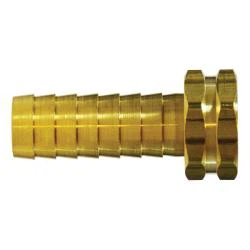
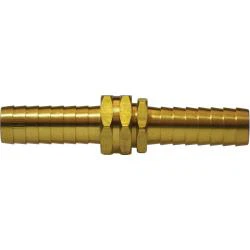
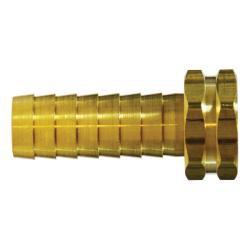
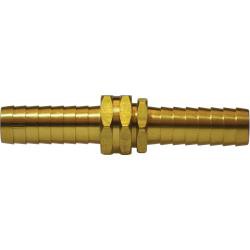
Before we discuss safety precautions, it's crucial to understand what Coupling Short Shanks are and how they function. Coupling Short Shanks are mechanical devices used to connect two shafts or tubes together. They are designed to transmit torque and rotation while allowing for a certain degree of misalignment between the connected components. These couplings come in various materials, such as brass, steel, and plastic, each offering different levels of strength, durability, and corrosion resistance.
Safety Precautions
1. Proper Installation
The first and most critical safety precaution is to ensure proper installation of the Coupling Short Shank. Incorrect installation can lead to premature failure, increased wear and tear, and even safety hazards. Here are some key points to keep in mind during installation:
- Read the Manufacturer's Instructions: Always refer to the manufacturer's installation guidelines before attempting to install the coupling. These instructions provide detailed information on the correct installation procedure, torque specifications, and any special requirements.
- Inspect the Components: Before installation, carefully inspect the Coupling Short Shank and the connected shafts or tubes for any signs of damage, such as cracks, burrs, or excessive wear. Replace any damaged components to prevent failure.
- Clean the Surfaces: Ensure that the mating surfaces of the coupling and the shafts or tubes are clean and free of dirt, grease, or debris. This will help to ensure a proper fit and prevent slippage.
- Use the Correct Tools: Use the appropriate tools for installation, such as wrenches or torque wrenches, to ensure that the coupling is tightened to the correct torque specification. Over-tightening or under-tightening can lead to problems.
- Check for Alignment: After installation, check the alignment of the connected shafts or tubes to ensure that they are properly aligned. Misalignment can cause excessive stress on the coupling and lead to premature failure.
2. Regular Maintenance
Regular maintenance is essential to ensure the safe and reliable operation of Coupling Short Shanks. Here are some maintenance tasks that should be performed regularly:
- Inspect the Coupling: Periodically inspect the coupling for any signs of wear, damage, or corrosion. Look for cracks, loose bolts, or excessive play in the coupling. Replace any worn or damaged components promptly.
- Lubricate the Coupling: If the coupling requires lubrication, follow the manufacturer's recommendations for the type and frequency of lubrication. Proper lubrication can help to reduce friction, wear, and noise.
- Check the Torque: Periodically check the torque of the coupling bolts to ensure that they are tightened to the correct specification. Over time, the bolts may loosen due to vibration or other factors, so it's important to check and retighten them as needed.
- Monitor the Operation: Pay attention to the operation of the coupling during normal use. If you notice any unusual noise, vibration, or performance issues, stop the equipment immediately and inspect the coupling for problems.
3. Environmental Considerations
The environment in which the Coupling Short Shank is used can also affect its safety and performance. Here are some environmental factors to consider:
- Temperature: Extreme temperatures can cause the coupling to expand or contract, which can affect its fit and performance. Make sure that the coupling is designed to operate within the temperature range of the application.
- Humidity and Corrosion: High humidity or exposure to corrosive substances can cause the coupling to rust or corrode, which can weaken the coupling and lead to failure. If the coupling is used in a corrosive environment, choose a material that is resistant to corrosion, such as stainless steel or brass.
- Vibration and Shock: Vibration and shock can cause the coupling to loosen or fail. Make sure that the coupling is properly secured and that any vibration or shock is absorbed by appropriate mounting or damping devices.
- Chemical Exposure: If the coupling is exposed to chemicals, make sure that it is compatible with the chemicals. Some chemicals can react with the coupling material and cause damage or failure.
4. Operator Training
Proper operator training is essential to ensure the safe use of Coupling Short Shanks. Operators should be trained on the correct installation, maintenance, and operation procedures for the coupling. They should also be aware of the potential safety hazards associated with the coupling and how to avoid them. Here are some training topics that should be covered:
- Installation and Maintenance: Operators should be trained on the correct installation and maintenance procedures for the coupling, including how to inspect, lubricate, and tighten the coupling.
- Safety Precautions: Operators should be aware of the potential safety hazards associated with the coupling, such as pinch points, rotating parts, and high-pressure areas. They should also know how to use personal protective equipment (PPE) when working with the coupling.
- Emergency Procedures: Operators should be trained on the emergency procedures in case of a coupling failure or other safety issue. This includes how to shut down the equipment, evacuate the area, and report the incident.
Additional Safety Tips
In addition to the above safety precautions, here are some additional tips to help ensure the safe use of Coupling Short Shanks:
- Use the Right Coupling for the Application: Make sure that the Coupling Short Shank is designed for the specific application and that it has the appropriate torque rating, speed rating, and misalignment capacity.
- Follow the Manufacturer's Recommendations: Always follow the manufacturer's recommendations for the use, installation, maintenance, and replacement of the coupling. The manufacturer's recommendations are based on extensive testing and experience, and they provide the best guidance for safe and reliable operation.
- Keep Spare Parts on Hand: It's a good idea to keep spare Coupling Short Shanks and other critical components on hand in case of a failure. This can help to minimize downtime and ensure that the equipment can be quickly repaired.
- Document the Maintenance: Keep a record of all maintenance and inspection activities for the coupling. This can help to track the performance of the coupling over time and identify any potential problems before they become serious.
Conclusion
In conclusion, using Coupling Short Shanks safely requires proper installation, regular maintenance, environmental considerations, and operator training. By following these safety precautions, you can help to ensure the safe and reliable operation of your equipment and prevent costly downtime and accidents. If you have any questions or need further information about the safety of Coupling Short Shanks, please don't hesitate to contact us. We're here to help you choose the right coupling for your application and ensure its safe and efficient operation.
If you're in the market for Coupling Short Shanks or related products, such as Rod Brass Long 2 Shank or Rod Brass 2 Shank, we invite you to contact us for a consultation. Our team of experts can help you select the right products for your needs and provide you with the support and guidance you need to ensure their safe and effective use.
References
- Manufacturer's installation and maintenance manuals for Coupling Short Shanks.
- Industry standards and guidelines for the use of mechanical couplings.
- Technical literature and research papers on the design, performance, and safety of Coupling Short Shanks.