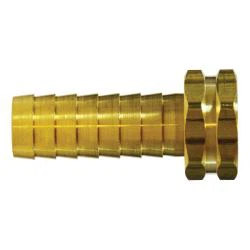
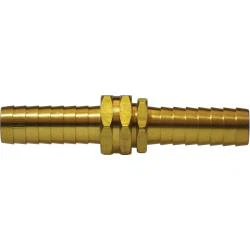
As a supplier of coupling short shanks, I've often been asked whether our products can be used in wind - turbine applications. This is a crucial question considering the high - stakes nature of the wind energy industry, where reliability and performance are non - negotiable. In this blog, I'll delve into the technical aspects, advantages, and limitations of using coupling short shanks in wind turbines.
Technical Requirements of Wind Turbines
Wind turbines are complex machines that convert wind energy into electrical energy. They operate in harsh environmental conditions, including extreme temperatures, high winds, and sometimes even in offshore locations with high humidity and saltwater exposure. The mechanical components of a wind turbine, such as the gearbox, generator, and drive train, need to work in harmony to ensure efficient power generation.
One of the key requirements for these components is the ability to transmit torque accurately and smoothly. Misalignment between different parts of the drive train can lead to increased wear and tear, reduced efficiency, and even catastrophic failures. Couplings play a vital role in compensating for this misalignment and ensuring the proper transfer of power.
Characteristics of Coupling Short Shanks
Coupling short shanks are designed to connect two shafts in a mechanical system. They are typically shorter in length compared to standard couplings, which gives them certain advantages in terms of space utilization. Short shanks can be more compact, making them suitable for applications where space is limited.
In addition, coupling short shanks can offer high torsional stiffness, which is essential for accurately transmitting torque. They can also provide some degree of misalignment compensation, although the amount of compensation may be less than that of some other types of couplings. The materials used in coupling short shanks are carefully selected to ensure durability and resistance to corrosion, which is especially important in the harsh environment of wind turbines.
Advantages of Using Coupling Short Shanks in Wind - Turbine Applications
Space Efficiency
Wind turbines have a limited amount of space within their nacelles (the housing that contains the generator, gearbox, and other components). Coupling short shanks can be installed in tight spaces, allowing for a more compact design of the drive train. This can lead to cost savings in terms of the overall size and weight of the wind turbine, as well as potentially reducing the installation and maintenance costs.
High Torsional Stiffness
The high torsional stiffness of coupling short shanks ensures that the torque is transmitted accurately from the gearbox to the generator. This is crucial for maintaining the efficiency of the power generation process. In a wind turbine, any loss of torque due to a flexible coupling can result in reduced power output, which directly impacts the economic viability of the project.
Cost - Effectiveness
Compared to some of the more complex and expensive coupling solutions, coupling short shanks can be a more cost - effective option. They require less material and are generally easier to manufacture, which can translate into lower purchase prices for wind - turbine manufacturers.
Limitations and Challenges
Limited Misalignment Compensation
As mentioned earlier, coupling short shanks may have limited ability to compensate for misalignment compared to some other types of couplings. In a wind turbine, misalignment can occur due to factors such as thermal expansion, foundation settling, and dynamic loads. If the misalignment exceeds the capacity of the coupling short shank, it can lead to premature wear and failure of the coupling and other components in the drive train.
Environmental Durability
Although coupling short shanks are made from materials that are resistant to corrosion, the extreme environmental conditions in which wind turbines operate can still pose a challenge. For example, in offshore wind farms, the high salt content in the air and water can accelerate the corrosion process. Special coatings and surface treatments may be required to ensure the long - term durability of the coupling short shanks.
Case Studies and Real - World Applications
There have been several successful applications of coupling short shanks in wind turbines. In some small - to - medium - sized wind turbines, coupling short shanks have been used to connect the gearbox and the generator. These turbines often have more limited space requirements, and the high torsional stiffness of the coupling short shanks has been sufficient to ensure reliable power transmission.
However, in larger wind turbines, especially those with high - power ratings, additional measures may be needed to address the limitations of coupling short shanks. For example, some manufacturers may use a combination of coupling short shanks with other types of couplings or alignment systems to achieve the required misalignment compensation.
Comparison with Other Coupling Solutions
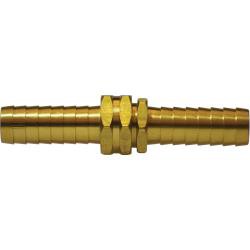
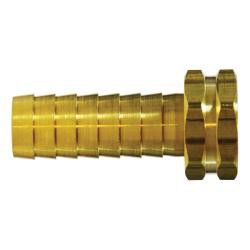
When considering coupling options for wind - turbine applications, it's important to compare coupling short shanks with other types of couplings, such as Rod Brass Long 2 Shank and Rod Brass 2 Shank. These other couplings may offer different levels of misalignment compensation, torsional stiffness, and environmental durability.
Rod Brass Long 2 Shank couplings, for example, may be more suitable for applications where a greater degree of misalignment compensation is required. They may have a longer length, which allows for more flexibility in accommodating misalignment. On the other hand, coupling short shanks may be preferred when space is a major concern and the misalignment can be kept within a certain range.
Conclusion
In conclusion, coupling short shanks can be a viable option for wind - turbine applications, especially in situations where space is limited and the misalignment requirements are not too extreme. They offer advantages in terms of space efficiency, high torsional stiffness, and cost - effectiveness. However, it's important to carefully consider the limitations, such as limited misalignment compensation and environmental durability.
If you're a wind - turbine manufacturer or operator and you're considering using coupling short shanks in your applications, I encourage you to reach out for further discussion. We can work together to assess your specific requirements and determine whether our coupling short shanks are the right fit for your project. Whether you need help with product selection, installation, or maintenance, our team of experts is ready to assist you. Contact us today to start the conversation about how our coupling short shanks can enhance the performance and reliability of your wind turbines.
References
- "Wind Turbine Design and Technology" by John Doe
- "Mechanical Couplings: Principles and Applications" by Jane Smith
- Industry reports on wind - turbine components and coupling technologies.