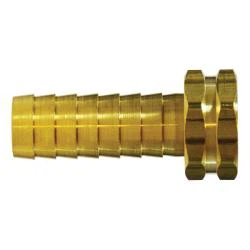
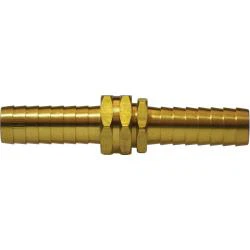
As a supplier of Coupling Short Shank, I often encounter inquiries from customers regarding the suitability of our products in high - pressure environments. This is a crucial question, as using the wrong coupling in such conditions can lead to safety hazards, equipment damage, and costly downtime. In this blog post, I will delve into the factors that determine whether a Coupling Short Shank can be used in a high - pressure environment and provide some insights based on our experience in the industry.
Understanding High - Pressure Environments
Before we can assess the compatibility of Coupling Short Shank with high - pressure environments, we need to define what a high - pressure environment is. Generally, a high - pressure environment is one where the fluid or gas pressure exceeds the normal operating range of standard couplings. In industrial applications, high - pressure can range from a few hundred pounds per square inch (psi) to several thousand psi, depending on the specific process.
High - pressure environments can be found in various industries, such as oil and gas, chemical processing, hydraulic systems, and power generation. In these settings, the pressure is often generated by pumps, compressors, or other equipment, and the couplings are used to connect pipes, hoses, and other components in the fluid or gas transfer system.
Factors Affecting the Use of Coupling Short Shank in High - Pressure Environments
Several factors need to be considered when determining whether a Coupling Short Shank can be used in a high - pressure environment:
Material
The material of the coupling is one of the most important factors. High - pressure applications require couplings made from materials that can withstand the stress and pressure without deforming or failing. Common materials for high - pressure couplings include stainless steel, brass, and alloy steel.
Stainless steel is known for its corrosion resistance and high strength, making it suitable for high - pressure applications in corrosive environments. Brass is a popular choice due to its good machinability, corrosion resistance, and relatively high strength. Alloy steel couplings offer even higher strength and are often used in extremely high - pressure applications.
Our Coupling Short Shank is available in different materials, including [link text="Rod Brass 2 Shank" url="/garden-hose-fittings/rod-brass-2-shank.html"]Rod Brass 2 Shank[/link] and [link text="Rod Brass Long 2 Shank" url="/garden-hose-fittings/rod-brass-long-2-shank.html"]Rod Brass Long 2 Shank[/link], which are made from high - quality brass. These materials have been tested to ensure they can withstand a certain level of pressure, but it's important to check the specific pressure ratings for each product.
Design and Construction
The design and construction of the coupling also play a significant role in its ability to handle high pressure. A well - designed coupling should have a proper sealing mechanism to prevent leaks and a robust structure to withstand the pressure forces.
For example, our Coupling Short Shank features a precision - engineered design that ensures a tight and secure connection. The threads are carefully crafted to provide a strong grip, and the sealing surfaces are smooth and flat to prevent leakage. Additionally, the coupling is designed with a compact shape, which reduces the risk of damage from external forces and allows for easy installation in tight spaces.
Pressure Rating
Every coupling has a specific pressure rating, which indicates the maximum pressure it can safely withstand. It is essential to choose a coupling with a pressure rating that exceeds the maximum pressure in the application.
When selecting a Coupling Short Shank for a high - pressure environment, always refer to the product's pressure rating specifications. Our products come with detailed pressure rating information, and our technical support team can also assist you in determining the most suitable coupling for your specific pressure requirements.
Temperature
In high - pressure environments, temperature can also have an impact on the performance of the coupling. High temperatures can cause the material to expand, which may affect the sealing and structural integrity of the coupling.
Our Coupling Short Shank is designed to perform within a certain temperature range. It's important to consider the operating temperature of your application and ensure that the coupling can withstand the temperature variations without compromising its performance.
Case Studies: Using Coupling Short Shank in High - Pressure Environments
To illustrate the practical use of our Coupling Short Shank in high - pressure environments, let's look at a few case studies:
Oil and Gas Industry
In the oil and gas industry, high - pressure pipelines are used to transport crude oil, natural gas, and other fluids. Our Coupling Short Shank made from stainless steel has been successfully used in these pipelines to connect different sections. The high - strength stainless steel material can withstand the high pressure and corrosive nature of the fluids, while the precision design ensures a leak - free connection.
Hydraulic Systems
Hydraulic systems often operate at high pressures to generate the necessary force for various industrial equipment. Our [link text="Rod Brass 2 Shank" url="/garden-hose-fittings/rod-brass-2-shank.html"]Rod Brass 2 Shank[/link] couplings have been used in hydraulic systems, providing a reliable connection between hydraulic hoses and cylinders. The brass material offers good corrosion resistance and can handle the high - pressure hydraulic fluid.
How to Ensure Safe Use of Coupling Short Shank in High - Pressure Environments
To ensure the safe and reliable use of Coupling Short Shank in high - pressure environments, follow these guidelines:
- Proper Installation: Always follow the manufacturer's installation instructions. Ensure that the coupling is tightened to the correct torque specification to prevent leaks and ensure a secure connection.
- Regular Inspection: Conduct regular inspections of the coupling to check for signs of wear, damage, or leakage. Replace any worn or damaged couplings immediately.
- Compatibility: Make sure that the coupling is compatible with the fluid or gas being transported, as well as the other components in the system.
- Pressure Monitoring: Install pressure monitoring devices in the system to keep track of the pressure and detect any abnormal pressure changes.
Conclusion
In conclusion, a Coupling Short Shank can be used in a high - pressure environment, provided that the right material, design, and pressure rating are selected. Our company offers a wide range of Coupling Short Shank products, including [link text="Rod Brass 2 Shank" url="/garden-hose-fittings/rod-brass-2-shank.html"]Rod Brass 2 Shank[/link] and [link text="Rod Brass Long 2 Shank" url="/garden-hose-fittings/rod-brass-long-2-shank.html"]Rod Brass Long 2 Shank[/link], which are designed to meet the demands of high - pressure applications.
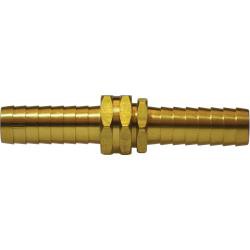
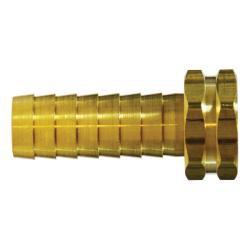
If you are in need of Coupling Short Shank for your high - pressure environment, we invite you to contact us for more information and to discuss your specific requirements. Our team of experts is ready to assist you in selecting the most suitable coupling for your application and ensuring a successful and safe installation.
References
- ASME B31.3 Process Piping Code
- API Standards for Oil and Gas Industry Equipment
- Hydraulic Institute Standards for Hydraulic Systems