Hey there! As a supplier of female swivels, I often get asked all sorts of questions about our products. One question that pops up quite a bit is whether female swivels can be used in low-temperature environments. Well, let's dig into this topic and find out!
First off, let's talk about what female swivels are. They're essential components in a wide range of applications, from industrial setups to simple household uses. You can find them in things like hoses, pipes, and other fluid transfer systems. They allow for easy rotation and connection, making them super handy.
Now, when it comes to low-temperature environments, there are a few factors we need to consider. The performance of female swivels in the cold depends a lot on the materials they're made of. Most of the female swivels we supply are crafted from high-quality materials like brass. Brass is known for its durability and corrosion resistance, but how does it hold up in the cold?
Brass has a relatively good tolerance for low temperatures. It doesn't become brittle as quickly as some other metals. However, extremely low temperatures can still have an impact. At very cold temperatures, the mechanical properties of brass can change slightly. Its stiffness might increase a bit, and there could be a small reduction in its ductility. But in most normal low-temperature situations, these changes aren't significant enough to cause major problems.
Another important aspect is the seals and gaskets used in the female swivels. These are crucial for preventing leaks. In low temperatures, rubber seals can harden. When rubber hardens, it loses its flexibility, which can lead to leaks. That's why we use special low-temperature-resistant rubber compounds in our seals. These compounds are designed to maintain their elasticity even in cold conditions, ensuring a tight seal and preventing any fluid leakage.
Let's take a look at some real-world scenarios where female swivels might be used in low temperatures. For example, in some industrial settings, there are outdoor pipes that need to transfer fluids during the winter. Our female swivels can be a great choice here. They can handle the cold and still provide a reliable connection.
In the agricultural sector, hoses with female swivels are used for irrigation. Even in regions where the winters are cold, these swivels can keep the water flowing smoothly. The ability to rotate easily is especially important in these situations, as it allows for easy adjustment of the hoses.
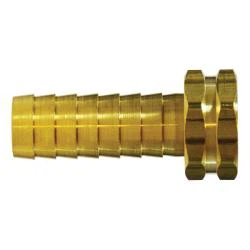
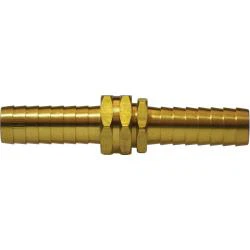
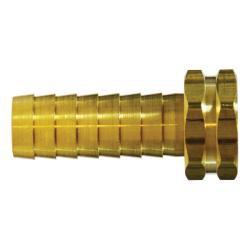
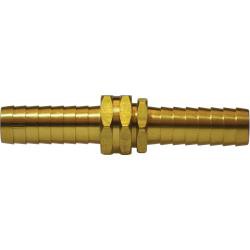
Now, I want to mention a couple of our popular products. We have the Rod Brass Long 2 Shank and the Rod Brass 2 Shank. These are both made from high-quality brass and are suitable for low-temperature environments. They're designed with precision to ensure a perfect fit and long-lasting performance.
The Rod Brass Long 2 Shank is great for applications where you need a bit more length. It provides extra reach and flexibility, which can be really useful in tight spaces or when you need to connect hoses over a longer distance. The Rod Brass 2 Shank, on the other hand, is a more compact option. It's ideal for situations where space is limited, but you still need a reliable swivel connection.
So, to answer the question, yes, female swivels can definitely be used in low-temperature environments. But it's important to choose the right ones with the appropriate materials and seals. Our products are designed to meet these requirements and provide excellent performance even in the cold.
If you're in the market for female swivels for your low-temperature applications, we'd love to have a chat with you. Whether you're in the industrial, agricultural, or any other sector, we can provide you with the right products to meet your needs. We have a wide range of options, and our team of experts can help you select the best female swivels for your specific situation.
Contact us today to start the conversation about your female swivel needs. We're here to provide you with top-quality products and excellent customer service. Don't hesitate to reach out and see how we can help you solve your low-temperature connection challenges.
References
- "Materials Science and Engineering: An Introduction" by William D. Callister Jr. and David G. Rethwisch
- Industry reports on fluid transfer components in low-temperature environments