Can hose barb fittings be used for drinking water applications?
As a supplier of hose barb fittings, I often encounter inquiries from customers regarding the suitability of our products for drinking water applications. This is a crucial question, as the safety and quality of drinking water are of utmost importance. In this blog post, I will delve into the factors that determine whether hose barb fittings can be used for drinking water, the considerations to keep in mind, and the types of hose barb fittings that are appropriate for such applications.
Factors Affecting the Use of Hose Barb Fittings for Drinking Water
The primary concern when using hose barb fittings for drinking water is the material compatibility. The fittings must be made from materials that are safe for contact with potable water. These materials should not leach harmful chemicals or contaminants into the water, which could pose a risk to human health.
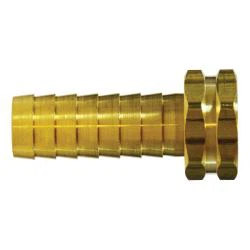
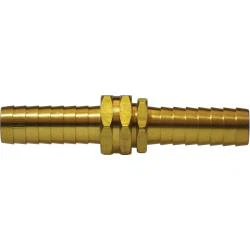
One of the most common materials used for hose barb fittings in drinking water applications is brass. Brass is a popular choice due to its durability, corrosion resistance, and relatively low cost. However, not all brass is suitable for drinking water. Some brass alloys may contain lead, which is a toxic substance that can cause serious health problems, especially in children and pregnant women. Therefore, it is essential to use brass fittings that are certified to meet the standards for lead-free materials, such as those compliant with the Safe Drinking Water Act (SDWA) in the United States.


Another material option is stainless steel. Stainless steel is highly resistant to corrosion and does not leach any harmful substances into the water. It is a more expensive option compared to brass, but it offers superior durability and longevity. Stainless steel hose barb fittings are often used in high-end or commercial drinking water systems where reliability and safety are paramount.
In addition to material compatibility, the design and construction of the hose barb fittings also play a crucial role in ensuring their suitability for drinking water applications. The fittings should have a smooth interior surface to prevent the accumulation of bacteria and other contaminants. They should also be properly sealed to prevent leaks, which could introduce impurities into the water supply.
Considerations for Using Hose Barb Fittings in Drinking Water Systems
When using hose barb fittings for drinking water, there are several important considerations to keep in mind:
- Certification and Compliance: Ensure that the hose barb fittings you choose are certified to meet the relevant standards for drinking water applications. Look for certifications such as NSF/ANSI 61, which is a widely recognized standard for products that come into contact with drinking water. This certification ensures that the fittings have been tested and approved for use in potable water systems.
- Installation: Proper installation is essential to ensure the safety and performance of the hose barb fittings. Follow the manufacturer's instructions carefully and use the appropriate tools and techniques. Make sure the fittings are tightened securely to prevent leaks, but avoid over-tightening, which could damage the fittings or the hose.
- Maintenance: Regular maintenance is necessary to keep the hose barb fittings in good condition and prevent the growth of bacteria and other contaminants. Inspect the fittings periodically for signs of wear, corrosion, or damage. Replace any damaged or worn fittings immediately.
- Water Quality: The quality of the water in your system can also affect the performance and lifespan of the hose barb fittings. If your water contains high levels of minerals, chemicals, or other contaminants, it may cause corrosion or scaling in the fittings. In such cases, you may need to install a water treatment system to improve the water quality.
Types of Hose Barb Fittings Suitable for Drinking Water Applications
At our company, we offer a wide range of hose barb fittings that are suitable for drinking water applications. Here are some of the popular types:
- Rigid Male BSPT Barb Adapter: This type of fitting is designed to connect a hose to a threaded pipe. It features a rigid construction and a male BSPT (British Standard Pipe Taper) thread, which provides a secure and leak-free connection. Our rigid male BSPT barb adapters are made from lead-free brass or stainless steel, ensuring their safety for use in drinking water systems.
- Inverted Flare Male Connector: The inverted flare male connector is commonly used in automotive and plumbing applications, but it can also be used for drinking water systems. It features an inverted flare design, which provides a tight and reliable connection. Our inverted flare male connectors are available in brass and stainless steel materials and are suitable for use with a variety of hoses.
- Forged Hose Barb Male Elbow 90°: This fitting is used to change the direction of the hose by 90 degrees. It is forged from high-quality brass or stainless steel, which makes it strong and durable. The forged hose barb male elbow 90° is ideal for use in tight spaces where a straight connection is not possible.
Conclusion
In conclusion, hose barb fittings can be used for drinking water applications, provided that they are made from safe and suitable materials, meet the relevant standards, and are installed and maintained properly. As a supplier of hose barb fittings, we are committed to providing our customers with high-quality products that are safe and reliable for use in drinking water systems.
If you have any questions or need further information about our hose barb fittings for drinking water applications, please do not hesitate to contact us. We are here to assist you in finding the right fittings for your specific needs and to ensure the safety and quality of your drinking water supply.
References
- Safe Drinking Water Act (SDWA), United States Environmental Protection Agency (EPA)
- NSF/ANSI 61: Drinking Water System Components - Health Effects, National Sanitation Foundation (NSF)