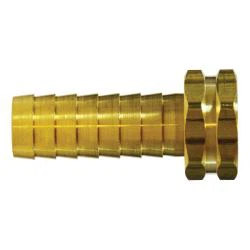
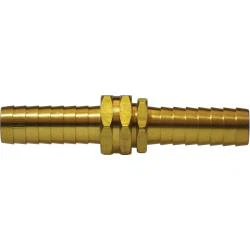
When it comes to gardening, having a reliable garden hose plug is essential for maintaining a functional and efficient watering system. As a garden hose plug supplier, I've had the opportunity to closely examine and compare various products on the market. In this blog, I'll share my insights on how to compare different garden hose plugs, helping you make an informed decision for your gardening needs.
Material Quality
One of the first factors to consider when comparing garden hose plugs is the material they are made of. Different materials offer varying levels of durability, resistance to corrosion, and overall performance.
- Brass: Brass is a popular choice for garden hose plugs due to its excellent corrosion resistance and durability. It can withstand exposure to water, sunlight, and various chemicals commonly found in gardening products. Rod Brass Long 2 Shank and Rod Brass 2 Shank are examples of high - quality brass hose plugs. They are less likely to rust or break over time, ensuring a long - lasting connection between the hose and other fittings.
- Plastic: Plastic hose plugs are lightweight and often more affordable than their brass counterparts. However, they may not be as durable, especially in extreme weather conditions. Plastic can become brittle over time, leading to cracks and leaks. Some lower - quality plastics may also react with certain chemicals in the water, causing degradation.
- Stainless Steel: Stainless steel is another option that offers good corrosion resistance. It is strong and can handle high - pressure water flow. However, stainless steel hose plugs can be more expensive than brass or plastic, and in some cases, the finish may scratch, potentially affecting its appearance.
Size and Compatibility
Ensuring the correct size and compatibility of the garden hose plug is crucial. A plug that doesn't fit properly can lead to leaks, which not only waste water but also reduce the efficiency of your watering system.
- Diameter: Garden hoses come in different diameters, typically 1/2 inch, 5/8 inch, and 3/4 inch. The hose plug you choose must match the diameter of your hose. Most plugs are clearly labeled with the compatible hose size, so it's important to double - check before making a purchase.
- Thread Type: There are different thread types used in garden hose fittings, such as National Pipe Thread (NPT) and Garden Hose Thread (GHT). Make sure the thread type of the plug matches the thread type of your hose and other fittings. Using an incompatible thread type can result in a loose or leaky connection.
Design and Functionality
The design of the garden hose plug can also impact its performance and ease of use.
- Sealing Mechanism: A good garden hose plug should have an effective sealing mechanism to prevent leaks. Some plugs use rubber gaskets or O - rings to create a tight seal. These gaskets should be made of high - quality rubber that can withstand water pressure and temperature changes without losing its elasticity.
- Ease of Installation and Removal: Look for a plug that is easy to install and remove. Some plugs have a simple twist - on design, while others may require a tool for installation. Consider your own physical abilities and how often you'll need to connect and disconnect the plug when choosing a design.
- Flow Rate: The design of the plug can also affect the flow rate of water through the hose. A plug with a narrow opening or a complex internal structure may restrict the water flow, reducing the efficiency of your watering system. Opt for a plug with a smooth and unobstructed internal passage to ensure maximum water flow.
Brand Reputation and Customer Reviews
Researching the brand reputation and reading customer reviews can provide valuable insights into the quality and performance of different garden hose plugs.
- Brand Reputation: Well - established brands often have a reputation for producing high - quality products. They are more likely to invest in research and development, ensuring that their hose plugs meet industry standards. Brands with a long - standing presence in the market are also more likely to offer good customer service and support.
- Customer Reviews: Reading customer reviews can give you a real - world perspective on the performance of a particular garden hose plug. Look for reviews that mention durability, ease of use, and any issues with leaks or compatibility. Pay attention to both positive and negative reviews to get a balanced view.
Price
Price is always a consideration when purchasing any product. While it's tempting to go for the cheapest option, it's important to balance cost with quality.
- Value for Money: A higher - priced garden hose plug may offer better quality, durability, and performance, which can save you money in the long run. Cheaper plugs may need to be replaced more frequently, resulting in higher overall costs.
- Price Comparison: Compare the prices of different brands and models of garden hose plugs. Look for sales, discounts, or bulk - buying options to get the best deal. However, be wary of extremely low - priced products, as they may be of inferior quality.
Environmental Impact
In today's environmentally - conscious world, it's also important to consider the environmental impact of the garden hose plug you choose.
- Recyclability: Some materials, such as brass and stainless steel, are recyclable. Choosing a plug made from recyclable materials can help reduce waste and minimize your environmental footprint.
- Water Conservation: A well - designed garden hose plug that prevents leaks can contribute to water conservation. By reducing water waste, you are not only saving resources but also reducing your water bill.
Testing and Quality Assurance
As a garden hose plug supplier, I understand the importance of testing and quality assurance. Before offering a product to the market, it's essential to conduct rigorous testing to ensure its performance and reliability.
- Pressure Testing: Hose plugs should be tested under different water pressures to ensure they can withstand the normal operating conditions of a garden watering system. This helps identify any potential weaknesses or leaks in the design.
- Leak Testing: A thorough leak test is crucial to ensure that the plug provides a tight seal. This can be done by submerging the connected hose and plug in water and checking for any air bubbles, which indicate a leak.
- Durability Testing: To assess the durability of the plug, it can be subjected to repeated installation and removal cycles, as well as exposure to different environmental conditions such as sunlight, heat, and cold.
In conclusion, comparing different garden hose plugs in the market requires careful consideration of multiple factors, including material quality, size and compatibility, design and functionality, brand reputation, price, and environmental impact. By taking the time to evaluate these aspects, you can choose a garden hose plug that meets your specific needs and provides long - lasting performance.
If you're in the market for high - quality garden hose plugs, I invite you to contact me for more information and to discuss your purchasing requirements. I'm committed to providing the best products and services to meet your gardening needs.
References
- "Gardening Fittings Handbook" - A comprehensive guide on garden hose fittings and their specifications.
- Industry reports on the performance and durability of different materials used in garden hose plugs.