As a seasoned supplier of garden hose caps, I understand the importance of providing high - quality products to customers. A garden hose cap might seem like a simple accessory, but its quality can significantly impact the functionality and longevity of your garden hose. In this blog, I'll share some insights on how to determine if a garden hose cap is of good quality.
Material Quality
The first and most crucial factor in assessing the quality of a garden hose cap is the material it's made from. Different materials offer various advantages and disadvantages, so it's essential to choose one that suits your needs.
Plastic
- Advantages: Plastic garden hose caps are lightweight and affordable. They are also resistant to rust and corrosion, making them a popular choice for many gardeners.
- Disadvantages: However, plastic caps may not be as durable as other materials. They can crack or break under pressure, especially in extreme temperatures. To check the quality of a plastic cap, look for signs of brittleness. Try gently flexing the cap; if it cracks easily, it's likely of poor quality. A good - quality plastic cap should be somewhat flexible without breaking.
Metal
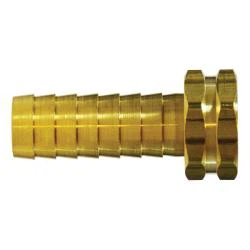
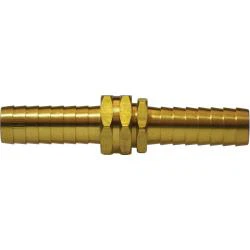
- Advantages: Metal caps, particularly those made of brass, are known for their durability and strength. Brass is resistant to rust and corrosion, even when exposed to water and outdoor elements for extended periods. Rod Brass 2 Shank and Rod Brass Long 2 Shank are two examples of high - quality brass hose fittings. These types of fittings are designed to last and can withstand high - pressure water flow.
- Disadvantages: The main drawback of metal caps is their relatively high cost compared to plastic caps. Additionally, some lower - quality metals may rust over time, so it's important to choose caps made from high - grade materials. To test the metal quality, you can check for any signs of discoloration or rust. A good - quality metal cap should have a smooth, even finish without any visible flaws.
Fitting and Seal
A key function of a garden hose cap is to provide a tight and secure fit on the hose. A loose - fitting cap can lead to leaks, which not only waste water but can also cause damage to your garden hose or nearby equipment.
Thread Precision
- The threads on the hose cap should be precisely cut and match the threads on your garden hose. Check for any signs of misaligned or damaged threads. You can do this by screwing the cap onto the hose. If it's difficult to turn or feels rough, the threads may be of poor quality. A good - quality cap should screw on smoothly and evenly, without any wobbling.
- High - precision threads are crucial for creating a watertight seal. If the threads are too loose or too tight, water can seep out around the edges of the cap.
Gasket Quality
- Many garden hose caps come with a rubber gasket to improve the seal. The quality of the gasket can greatly affect the performance of the cap. A high - quality gasket should be made from durable rubber that can withstand exposure to water and chlorine.
- To check the gasket, inspect it for any signs of cracks, tears, or brittleness. You can also test the elasticity of the rubber by gently stretching it. A good gasket should bounce back to its original shape without losing its integrity. If the gasket is hard or brittle, it may not provide a proper seal and will need to be replaced.
Build Quality
The overall build of the garden hose cap also plays a role in its quality. This includes factors such as the thickness of the material, the design of the cap, and the quality of any additional features.
Material Thickness
- Thicker material generally indicates a higher - quality cap. For plastic caps, a thicker wall can provide more strength and durability. For metal caps, a greater thickness can make the cap more resistant to dents and damage.
- You can measure the thickness of the material using a caliper or simply by comparing it to other caps of known quality. A well - made cap should have a consistent thickness throughout.
Design Features
- Some garden hose caps come with additional design features, such as a built - in valve or a locking mechanism. These features can enhance the functionality of the cap but also need to be of high quality.
- For example, if the cap has a valve, test it to ensure it opens and closes smoothly. A faulty valve can lead to leaks or make it difficult to control the water flow. If there is a locking mechanism, make sure it secures the cap firmly in place without being overly difficult to operate.
Brand Reputation and Customer Reviews
Another way to gauge the quality of a garden hose cap is to consider the brand reputation and read customer reviews.
Brand Reputation
- Established brands with a long - standing reputation for quality are more likely to produce reliable garden hose caps. These brands often have strict quality control measures in place and use high - quality materials.
- Research the brand's history and look for any awards or certifications they may have received. A brand that is well - known in the gardening industry is generally a good choice.
Customer Reviews
- Customer reviews can provide valuable insights into the real - world performance of a garden hose cap. Look for reviews on e - commerce websites, gardening forums, or social media platforms.
- Pay attention to both positive and negative reviews. Positive reviews can highlight the cap's strengths, such as its durability or ease of use, while negative reviews can alert you to potential issues, such as leaks or poor fitting.
Performance Testing
If possible, perform some performance tests on the garden hose cap before purchasing it.
Pressure Testing
- You can test the cap's ability to withstand pressure by attaching it to a hose and turning on the water. Gradually increase the water pressure and check for any leaks. A good - quality cap should be able to handle normal water pressure without leaking.
- Be careful not to exceed the recommended pressure for your hose and cap, as this can cause damage and void the warranty.
Temperature Testing
- If you live in an area with extreme temperatures, it's important to test the cap's performance in different temperature conditions. For example, you can leave the cap outside in cold weather and then check for any signs of cracking or brittleness. In hot weather, make sure the cap doesn't become too soft or lose its shape.
In conclusion, determining the quality of a garden hose cap involves considering multiple factors, including the material, fitting and seal, build quality, brand reputation, and performance. By taking the time to evaluate these aspects, you can ensure that you're purchasing a high - quality cap that will serve you well for years to come.
If you're in the market for top - quality garden hose caps or have any questions about our products, we'd love to hear from you. Feel free to reach out to us for more information and to discuss your procurement needs. We're committed to providing the best products and services to our customers.
References
- Gardening Equipment Handbook: A comprehensive guide to various gardening tools and accessories.
- Industry Standards for Garden Hose Fittings: Published by relevant industry associations.