

As a supplier of garden female hoses, I understand the challenges that come with cold weather and the potential damage it can cause to your hoses. Freezing temperatures can lead to the water inside the hose expanding, which may result in cracks, leaks, and ultimately, the need for a replacement. In this blog post, I'll share some effective strategies to prevent your garden female hose from freezing during cold weather.
Understanding the Problem
Before we delve into the prevention methods, it's essential to understand why hoses freeze. Water expands when it freezes, and this expansion can put a tremendous amount of pressure on the walls of the hose. Even a small amount of water left in the hose can cause significant damage when it turns to ice. This is particularly true for garden female hoses, which are often exposed to the elements and may have water trapped in them after use.
Drain the Hose Completely
One of the most crucial steps in preventing your garden female hose from freezing is to drain it thoroughly after each use. This simple yet effective method helps remove any water that could potentially freeze. To drain the hose, start by turning off the water supply at the spigot. Then, disconnect the hose from the spigot and let it hang vertically to allow the water to flow out. You can gently shake the hose to encourage any remaining water to drain.
If you have a long hose, you may want to divide it into sections and drain each part separately. This ensures that no water is left trapped in the bends or curves of the hose. Additionally, if your hose has a nozzle or other attachments, remove them and drain them as well.
Use a Hose Drain Valve
Another useful tool for preventing hose freezing is a hose drain valve. These valves are designed to allow water to drain from the hose quickly and easily. You can install a drain valve at the end of your hose or near the spigot. When you're done using the hose, simply open the valve to let the water out.
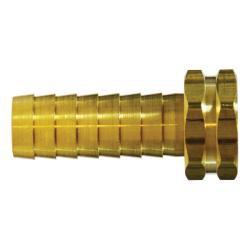
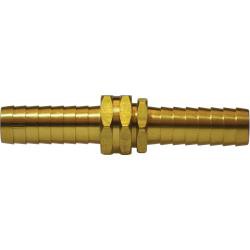
Hose drain valves come in various types and sizes, so make sure to choose one that is compatible with your garden female hose. Some drain valves are made of plastic, while others are made of brass, which is more durable and resistant to corrosion. Rod Brass 2 Shank and Rod Brass Long 2 Shank are excellent options if you're looking for high-quality brass drain valves.
Store the Hose Properly
Proper storage is key to preventing your garden female hose from freezing. When the weather starts to get cold, it's a good idea to bring your hose indoors or store it in a shed or garage. This protects the hose from the freezing temperatures and reduces the risk of damage.
Before storing the hose, make sure it is completely dry. You can leave it outside for a few hours to air dry or use a towel to wipe it down. Once the hose is dry, coil it neatly and store it in a cool, dry place. Avoid storing the hose in a tight space or where it may be bent or kinked, as this can cause damage to the hose.
Insulate the Hose
Insulating your garden female hose can provide an extra layer of protection against freezing temperatures. There are several ways to insulate a hose, depending on your needs and budget. One option is to use a hose insulation sleeve. These sleeves are made of foam or other insulating materials and can be easily slipped over the hose.
Another option is to wrap the hose with insulation tape or bubble wrap. This method is more affordable but may not provide as much insulation as a sleeve. If you choose to use insulation tape or bubble wrap, make sure to wrap the hose tightly and securely to prevent any gaps or air pockets.
Disconnect the Hose from the Spigot
During cold weather, it's important to disconnect your garden female hose from the spigot. This prevents water from flowing back into the hose and freezing. Even if you have drained the hose completely, there may still be some water left in the spigot or the hose connection. By disconnecting the hose, you eliminate this risk.
When disconnecting the hose, make sure to turn off the water supply at the spigot first. Then, use a wrench or pliers to loosen the hose connection and remove the hose. If the connection is tight, you may need to use a little force, but be careful not to damage the hose or the spigot.
Protect the Spigot
In addition to protecting the hose, it's also important to protect the spigot from freezing. You can use a spigot cover to insulate the spigot and prevent it from freezing. Spigot covers are typically made of foam or other insulating materials and can be easily installed over the spigot.
Another option is to turn off the water supply to the spigot and drain the pipes leading to the spigot. This is a more advanced method and may require the help of a professional plumber. If you're not comfortable doing this yourself, it's best to consult a professional.
Consider Using a Heat Tape
If you live in an area with extremely cold temperatures, you may want to consider using a heat tape to prevent your garden female hose from freezing. Heat tapes are electrical devices that generate heat and can be wrapped around the hose to keep it warm.
When using a heat tape, make sure to follow the manufacturer's instructions carefully. You'll need to plug the heat tape into an electrical outlet and wrap it around the hose according to the recommended guidelines. Heat tapes can be a bit expensive, but they can provide an effective solution for preventing hose freezing in very cold climates.
Regular Maintenance
Regular maintenance is essential for keeping your garden female hose in good condition and preventing it from freezing. Inspect the hose regularly for any signs of damage, such as cracks, leaks, or wear and tear. If you notice any problems, repair or replace the hose as soon as possible.
You should also clean the hose regularly to remove any dirt, debris, or bacteria that may accumulate inside. You can use a mild soap and water solution to clean the hose, or you can use a hose cleaner specifically designed for garden hoses.
Conclusion
Preventing your garden female hose from freezing in cold weather requires a combination of proper drainage, storage, insulation, and maintenance. By following the tips and strategies outlined in this blog post, you can protect your hose from the damaging effects of freezing temperatures and ensure that it lasts for many years to come.
As a supplier of garden female hoses, I'm committed to providing high-quality products and helpful advice to our customers. If you have any questions or need further assistance with preventing your hose from freezing, please don't hesitate to contact us. We're here to help you keep your garden hoses in top condition and make your gardening experience as enjoyable as possible.
If you're interested in purchasing a garden female hose or any of the accessories mentioned in this post, we'd love to hear from you. Contact us to discuss your needs and explore our range of products. We look forward to working with you and helping you find the perfect solution for your garden.
References
- "Preventing Hose Freezing in Cold Weather." Gardening Know How.
- "How to Protect Your Garden Hose from Freezing." This Old House.
- "Tips for Winterizing Your Garden Hose." Family Handyman.


