As a provider of high - quality Garden Female Hoses, I've encountered numerous customers frustrated with the common issue of hose tangling. Tangled hoses not only waste time but can also cause damage to the hose itself over time. In this blog, I'll share several effective strategies to prevent your garden female hose from tangling, ensuring a smooth and hassle - free gardening experience.
Choose the Right Hose
The first step in preventing tangles is to select the appropriate hose. When choosing a garden female hose, consider the material, length, and diameter.
- Material: Opt for hoses made from high - quality materials such as reinforced rubber or durable vinyl. These materials are more flexible and less likely to kink compared to cheaper, low - quality hoses. For example, a rubber hose can bend and twist without losing its shape easily, reducing the chances of tangles.
- Length: Select a hose length that suits your garden's size. A hose that is too long for your needs is more likely to become tangled. If you have a small garden, a 25 - foot hose may be sufficient, while larger gardens may require 50 or 100 - foot hoses. However, longer hoses should be managed carefully to avoid tangles.
- Diameter: A wider - diameter hose generally has better water flow and is less likely to kink. A 5/8 - inch diameter hose is a popular choice for most home gardens as it provides a good balance between water flow and flexibility.
Proper Storage
Proper storage is crucial in preventing hose tangles. Here are some storage methods you can adopt:
- Use a Hose Reel: A hose reel is an excellent investment for keeping your hose organized. There are various types of hose reels available, including manual and automatic ones. Manual hose reels require you to wind the hose around the reel by hand, while automatic reels use a spring - loaded mechanism to retract the hose. When using a hose reel, make sure to wind the hose evenly and tightly to prevent loose loops that can lead to tangles. You can find high - quality hose reels at most garden supply stores or online retailers.
- Hang the Hose: If you don't have a hose reel, hanging the hose is another option. Use a wall - mounted hose hanger or a hook to hang the hose in a straight line. This helps to keep the hose untangled and also saves space in your garden shed or garage. Make sure the hanger or hook is strong enough to support the weight of the hose, especially if it's a long one.
- Coil the Hose Properly: If you need to store the hose without a reel or hanger, coiling it properly is essential. Start by laying the hose out straight on the ground. Then, begin coiling it in a large, loose circle, making sure each loop is evenly spaced. Avoid overlapping the loops, as this can lead to tangles. Once you've coiled the hose, you can secure it with a hose tie or a piece of string.
Handling the Hose
How you handle the hose while using it can also affect its tendency to tangle. Here are some tips:
- Uncoil the Hose Completely: Before using the hose, make sure to uncoil it completely. This helps to prevent kinks and tangles from forming during use. If the hose has been stored in a tight coil for a long time, you may need to straighten it out by gently pulling on it.
- Avoid Sharp Bends: When using the hose, try to avoid making sharp bends or kinks. Sharp bends can restrict water flow and cause the hose to tangle. Instead, make gentle curves when directing the hose around plants or other obstacles in your garden.
- Keep the Hose Away from Obstacles: Make sure to keep the hose away from rocks, branches, and other obstacles in your garden. These objects can catch on the hose and cause it to tangle. If you need to move the hose over an obstacle, lift it carefully to avoid dragging it across the object.
Use Hose Fittings
Hose fittings can also play a role in preventing tangles. Here are some useful hose fittings:
- Swivel Fittings: Swivel fittings allow the hose to rotate freely, reducing the chances of tangles. You can attach a swivel fitting to the end of the hose where it connects to the faucet or other accessories. This allows the hose to move more freely without getting twisted.
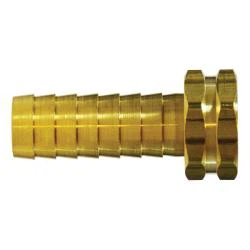
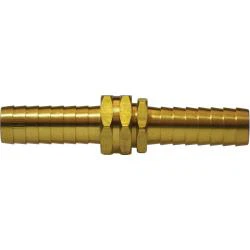
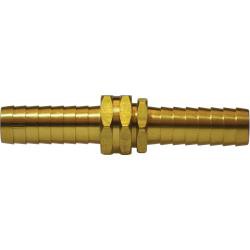
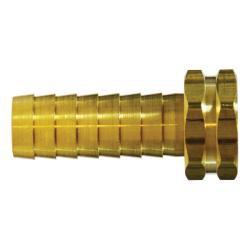
- Rod Brass Long 2 Shank and Rod Brass 2 Shank: These types of brass shank fittings are designed to provide a secure and flexible connection for your garden hose. They can help to prevent the hose from kinking at the connection points, which is a common cause of tangles.
Regular Maintenance
Regular maintenance of your garden female hose can also help to prevent tangles. Here are some maintenance tips:
- Inspect the Hose Regularly: Check the hose for any signs of damage, such as cracks, leaks, or holes. If you notice any damage, repair or replace the hose as soon as possible. A damaged hose is more likely to kink and tangle.
- Clean the Hose: After each use, rinse the hose with clean water to remove any dirt, debris, or chemicals. This helps to keep the hose flexible and prevents the buildup of residue that can cause the hose to become stiff and more prone to tangles.
- Store the Hose in a Dry Place: Moisture can cause the hose to become moldy or mildewy, which can also lead to tangles. Make sure to store the hose in a dry place, such as a shed or garage, to prevent moisture damage.
In conclusion, preventing a garden female hose from tangling requires a combination of choosing the right hose, proper storage, careful handling, using appropriate hose fittings, and regular maintenance. By following these tips, you can keep your hose organized and in good condition, making your gardening tasks much more enjoyable.
If you're interested in purchasing high - quality garden female hoses or hose fittings, I encourage you to contact me for procurement discussions. I'm committed to providing the best products and services to meet your gardening needs.
References
- "Gardening for Beginners: Tips and Tricks." Gardening Magazine, 2022.
- "The Ultimate Guide to Garden Hose Maintenance." Home Improvement Journal, 2023.