As a seasoned supplier of garden hose fittings, I've witnessed firsthand the wear and tear that these essential components endure over time. Garden hose fittings are crucial for ensuring a secure and leak - free connection between hoses, nozzles, and other gardening equipment. However, regular use, exposure to the elements, and improper handling can lead to premature damage. In this blog, I'll share some practical tips on how to prevent wear and tear on garden hose fittings, drawing from my years of experience in the industry.
1. Choose High - Quality Fittings
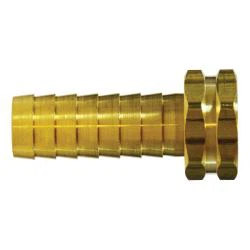
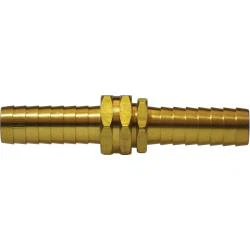
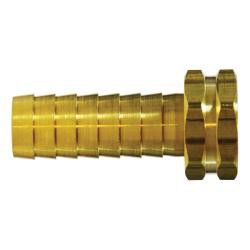
The first step in preventing wear and tear is to invest in high - quality garden hose fittings. Inferior fittings are more likely to crack, leak, or corrode, leading to frequent replacements. At our supply, we offer a wide range of top - notch fittings, such as the Coupling Short Shank, Npsm Male Long Shank, and Rod Brass 2 Shank. These fittings are made from durable materials like brass, stainless steel, or high - grade plastic, which can withstand the rigors of regular use and exposure to water, sunlight, and chemicals.
Brass fittings, for example, are known for their excellent corrosion resistance and strength. They can handle high water pressure without deforming or leaking. Stainless steel fittings are also a great choice, especially in areas with harsh environmental conditions, as they are highly resistant to rust and oxidation. High - grade plastic fittings are lightweight, affordable, and resistant to chemicals, making them suitable for a variety of applications.
2. Proper Installation
Proper installation is key to ensuring the longevity of garden hose fittings. Incorrect installation can cause stress on the fittings, leading to leaks and premature wear. When installing fittings, make sure to follow the manufacturer's instructions carefully.
First, clean the ends of the hoses before attaching the fittings. Remove any dirt, debris, or old sealant that may prevent a tight connection. Use a hose clamp or a threaded connection, depending on the type of fitting. For threaded connections, apply a small amount of Teflon tape or pipe dope to the threads to create a watertight seal. Make sure not to overtighten the fittings, as this can damage the threads or cause the fitting to crack.
If you're using a hose clamp, position it over the end of the hose and slide the fitting into the hose. Tighten the clamp securely using a screwdriver or a pair of pliers, but be careful not to over - tighten it, as this can damage the hose.
3. Regular Maintenance
Regular maintenance is essential for preventing wear and tear on garden hose fittings. Here are some maintenance tips to keep in mind:
a. Inspect the Fittings Regularly
Check your garden hose fittings for signs of wear, such as cracks, leaks, or corrosion. Look for any loose connections or damaged parts. If you notice any issues, replace the fittings immediately to prevent further damage.
b. Clean the Fittings
Clean the fittings regularly to remove dirt, debris, and mineral deposits. You can use a mild detergent and a soft brush to clean the fittings. Rinse them thoroughly with water and dry them completely before storing them.
c. Lubricate the Moving Parts
If your garden hose fittings have moving parts, such as swivels or valves, lubricate them regularly to prevent friction and wear. You can use a silicone - based lubricant or a light machine oil. Apply a small amount of lubricant to the moving parts and work it in by moving the parts back and forth.
d. Store the Fittings Properly
When not in use, store your garden hose fittings in a cool, dry place. Avoid exposing them to direct sunlight, extreme temperatures, or moisture, as these can cause the fittings to deteriorate. You can store the fittings in a toolbox or a storage container to protect them from damage.
4. Avoid Over - Pressure
Excessive water pressure can put a lot of stress on garden hose fittings, leading to leaks, cracks, and premature wear. To prevent over - pressure, make sure to use a pressure regulator if your water supply has high pressure. A pressure regulator can reduce the water pressure to a safe level, protecting your fittings and hoses from damage.
You can also avoid over - pressure by not leaving the hose turned on when not in use. Turn off the water supply at the source to prevent water from building up pressure in the hose and fittings.
5. Protect the Fittings from the Elements
Garden hose fittings are often exposed to the elements, which can cause them to deteriorate over time. To protect the fittings from the elements, you can take the following steps:
a. Use Hose Covers
Hose covers can protect the fittings and hoses from sunlight, which can cause the plastic to become brittle and crack. You can use a UV - resistant hose cover to protect the hose and fittings from the sun's harmful rays.

b. Avoid Freezing Temperatures
Freezing temperatures can cause the water inside the hose and fittings to expand, leading to cracks and leaks. If you live in an area with cold winters, make sure to drain the water from the hoses and fittings before the first frost. You can also store the hoses and fittings indoors during the winter months to protect them from freezing.
c. Protect from Chemicals
Some chemicals, such as fertilizers, pesticides, and cleaning agents, can damage garden hose fittings. If you need to use chemicals in your garden, make sure to rinse the fittings thoroughly with water after use to remove any chemical residue.
6. Train Your Users
If you have employees or family members who use the garden hoses and fittings, make sure to train them on how to use and maintain the equipment properly. Teach them about the importance of proper installation, regular maintenance, and avoiding over - pressure. Provide them with clear instructions on how to use the equipment safely and effectively.
Conclusion
Preventing wear and tear on garden hose fittings is essential for ensuring their longevity and performance. By choosing high - quality fittings, installing them properly, performing regular maintenance, avoiding over - pressure, protecting them from the elements, and training your users, you can extend the life of your garden hose fittings and save money on replacements.
As a garden hose fittings supplier, we are committed to providing our customers with the highest quality products and the best possible service. If you have any questions or need assistance with choosing the right garden hose fittings for your needs, please don't hesitate to contact us. We are here to help you make the most of your gardening experience. Whether you are a professional landscaper or a home gardener, we have the right fittings for you. Let's work together to keep your garden hoses in top condition.
References
- "Garden Hose Fittings: A Comprehensive Guide" - Industry publication on garden equipment
- Manufacturer's instructions for various garden hose fittings
- Expert advice from experienced gardeners and professionals in the gardening industry