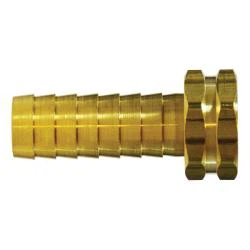
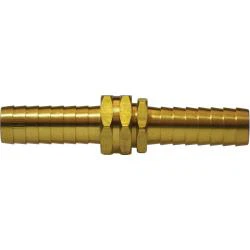
Hey there! As a supplier of ABC push-in fittings, I've seen firsthand how these nifty little components can make a world of difference in various industrial and DIY projects. But with great convenience comes the responsibility of ensuring safety. So, let's dive into how you can make sure you're using ABC push-in fittings safely.
Understanding ABC Push-In Fittings
First off, what are ABC push-in fittings? They're a type of connector that allows you to quickly and easily join pipes or tubes without the need for complicated tools or processes. They're super handy for plumbing, pneumatic systems, and more. ABC offers a range of products, like the ABC Newline TM Push In Coupling, ABC New Line Raccordo A Innesto Rapido, and Union Male ABC Newline TM.


Pre-Installation Checks
Before you start pushing those fittings in, it's crucial to do some pre-installation checks.
Inspect the Fittings
Take a good look at your ABC push-in fittings. Check for any visible damage, like cracks, chips, or deformities. If you spot any issues, don't use the fitting. A damaged fitting can lead to leaks or even complete system failure, which can be dangerous and costly to fix.
Check the Tubes or Pipes
The tubes or pipes you're connecting also need to be in good condition. Make sure they're clean, free of debris, and have the right diameter for the fitting. If the tube is too big or too small, it won't create a proper seal, increasing the risk of leaks.
Consider the Environment
Think about where you'll be using the fittings. Are they going to be exposed to extreme temperatures, chemicals, or high pressures? ABC push-in fittings are designed to handle a variety of conditions, but you need to make sure you're using the right type for your specific environment. For example, if you're working in a high-temperature area, you'll need fittings that can withstand the heat.
Installation Process
Now, let's talk about how to install ABC push-in fittings safely.
Read the Instructions
This might seem like a no-brainer, but it's amazing how many people skip this step. The manufacturer provides detailed instructions for a reason. They'll tell you exactly how to install the fitting correctly, including any special tools or techniques you might need.
Prepare the Tubes or Pipes
Before inserting the tube into the fitting, make sure it's cut cleanly and straight. A jagged or uneven cut can prevent the fitting from creating a proper seal. You might also need to deburr the edges of the tube to remove any sharp bits.
Insert the Tube
When inserting the tube into the fitting, make sure you push it all the way in until you feel a click or resistance. This indicates that the fitting has locked onto the tube. Don't force it too hard, though, as this could damage the fitting or the tube.
Check the Connection
Once the tube is inserted, give it a gentle tug to make sure it's securely attached. If it comes out easily, something's not right. You might need to remove the tube and try again, or check for any blockages or damage in the fitting.
Post-Installation Checks
After you've installed the ABC push-in fittings, it's important to do some post-installation checks to ensure everything is working properly.
Check for Leaks
The first thing you should do is check for leaks. Turn on the system and look for any signs of water or air escaping from the fittings. If you see a leak, turn off the system immediately and try to identify the problem. It could be a loose connection, a damaged fitting, or a problem with the tube.
Monitor the System
Keep an eye on the system for a while after installation. Look for any changes in pressure, flow rate, or performance. If you notice anything unusual, it could be a sign of a problem with the fittings.
Maintenance and Care
To ensure the long-term safety and performance of your ABC push-in fittings, you need to take proper care of them.
Regular Inspections
Schedule regular inspections of your fittings to check for any signs of wear and tear. Look for cracks, leaks, or any other damage. If you notice any issues, replace the fitting as soon as possible.
Clean the Fittings
Over time, dirt and debris can build up inside the fittings, which can affect their performance. Clean the fittings regularly using a mild detergent and water. Make sure you dry them thoroughly before reinstalling them.
Lubrication
Some ABC push-in fittings may require lubrication to ensure smooth operation. Check the manufacturer's instructions to see if your fittings need lubrication and what type of lubricant to use.
Troubleshooting
Even if you follow all the safety guidelines, you might still encounter some problems with your ABC push-in fittings. Here are some common issues and how to fix them.
Leaks
If you're experiencing leaks, the first thing you should do is check the connection. Make sure the tube is inserted all the way into the fitting and that it's securely attached. If the connection seems fine, the problem could be a damaged fitting or a problem with the tube. You might need to replace the fitting or the tube to fix the leak.
Blockages
Blockages can occur if dirt or debris gets into the fitting. To clear a blockage, you can try flushing the fitting with water or air. If that doesn't work, you might need to disassemble the fitting and clean it manually.
Fitting Won't Lock
If the fitting won't lock onto the tube, it could be because the tube is too big or too small, or there's something blocking the locking mechanism. Try removing the tube and checking for any blockages or damage in the fitting. You might also need to try a different tube if the one you're using isn't the right size.
Conclusion
Using ABC push-in fittings can be a great way to simplify your plumbing or pneumatic systems. However, it's essential to ensure their safety by following the steps outlined in this blog. From pre-installation checks to post-installation maintenance, every step plays a crucial role in keeping your system running smoothly and safely.
If you're interested in purchasing ABC push-in fittings or have any questions about their safety and usage, feel free to reach out to us. We're here to help you find the right products for your needs and ensure you're using them safely.
References
- Manufacturer's instructions for ABC push-in fittings
- Industry standards and best practices for push-in fitting installation and maintenance