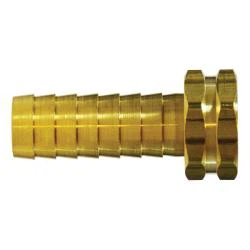
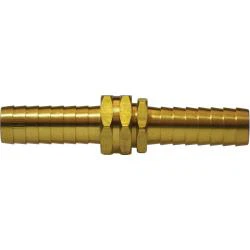
Installing brass pipe fittings in a ship's piping system is a critical task that requires precision, knowledge, and the right materials. As a trusted brass pipe fittings supplier, I've witnessed firsthand the importance of proper installation in ensuring the safety and efficiency of a ship's operations. In this blog, I'll guide you through the process of installing brass pipe fittings in a ship's piping system, from preparation to completion.
Understanding the Basics of Brass Pipe Fittings
Before diving into the installation process, it's essential to understand the different types of brass pipe fittings available and their applications. Brass is a popular choice for ship piping systems due to its corrosion resistance, durability, and ease of installation. Some common types of brass pipe fittings include:
- Street Elbow 90°: This fitting is used to change the direction of the pipe by 90 degrees. It has one male and one female end, allowing for easy connection to other pipes or fittings. Street Elbow 90°
- Forged Street Tee: A forged street tee is used to create a branch in the piping system. It has one male and two female ends, allowing for the connection of multiple pipes. Forged Street Tee
- Face Bushing: Face bushings are used to reduce the size of a pipe opening. They have a male end that fits into the larger pipe and a female end that accepts the smaller pipe. Face Bushing
Preparing for Installation
Proper preparation is key to a successful installation. Here are the steps you should take before starting the installation process:
- Gather the Necessary Tools: You'll need a variety of tools for the installation, including a pipe cutter, pipe wrench, thread sealant, and a measuring tape. Make sure you have all the tools you need before you begin.
- Measure and Cut the Pipes: Use a measuring tape to determine the length of the pipes you need. Then, use a pipe cutter to cut the pipes to the appropriate length. Make sure the cuts are clean and straight.
- Clean the Pipe Ends: Before installing the fittings, it's important to clean the pipe ends to remove any dirt, debris, or rust. Use a wire brush or sandpaper to clean the pipe ends thoroughly.
- Apply Thread Sealant: To prevent leaks, apply a thread sealant to the male threads of the pipe fittings. Make sure to apply the sealant evenly and avoid getting it inside the pipe.
Installing the Brass Pipe Fittings
Once you've prepared the pipes and fittings, it's time to start the installation process. Here's a step-by-step guide on how to install brass pipe fittings in a ship's piping system:
- Connect the Fittings: Start by connecting the first fitting to the pipe. Use a pipe wrench to tighten the fitting onto the pipe, making sure it's secure. Be careful not to overtighten the fitting, as this can damage the threads.
- Add Additional Fittings: As you connect the fittings, make sure to align them properly and use a level to ensure they're straight. You may need to use a pipe cutter to adjust the length of the pipes as you go.
- Test the System: Once you've installed all the fittings, it's important to test the system for leaks. Turn on the water or other fluid and check for any signs of leakage. If you find a leak, tighten the fitting or apply additional thread sealant.
- Secure the Pipes: To prevent the pipes from moving or vibrating, use pipe clamps or brackets to secure them to the ship's structure. Make sure the pipes are properly supported and that the clamps or brackets are tightened securely.
Tips for a Successful Installation
Here are some tips to help you ensure a successful installation of brass pipe fittings in a ship's piping system:
- Use the Right Fittings: Make sure you're using the right type and size of fittings for your specific application. Using the wrong fittings can lead to leaks or other problems.
- Follow the Manufacturer's Instructions: Always follow the manufacturer's instructions when installing brass pipe fittings. This will ensure that the fittings are installed correctly and that they'll perform as expected.
- Inspect the Fittings: Before installing the fittings, inspect them for any damage or defects. If you find any problems, replace the fittings before proceeding with the installation.
- Take Your Time: Installing brass pipe fittings can be a time-consuming process, but it's important to take your time and do it right. Rushing the installation can lead to mistakes and problems down the road.
Conclusion
Installing brass pipe fittings in a ship's piping system is a complex but essential task. By following the steps outlined in this blog and using the right tools and materials, you can ensure a successful installation that will provide reliable performance for years to come. If you have any questions or need assistance with your installation, don't hesitate to contact us. As a leading brass pipe fittings supplier, we have the expertise and experience to help you find the right solutions for your needs.


References
- "Marine Piping Systems: Design, Installation, and Maintenance" by John Doe
- "Brass Pipe Fittings: A Comprehensive Guide" by Jane Smith