Hey there, fellow gardening enthusiasts! As a supplier of garden female hoses, I've seen my fair share of hoses in action. Today, I'm gonna spill the beans on what makes a good garden female hose. Whether you're a seasoned green thumb or just starting out with your first potted plant, this info'll come in handy.
Durability
First off, durability is key. A good garden female hose needs to withstand the test of time and the elements. You don't want a hose that starts leaking after just a few uses or gets damaged by the sun, rain, or cold. Look for hoses made from high - quality materials like reinforced rubber or heavy - duty PVC. These materials are tough and can handle a lot of wear and tear.
For example, a hose with a thick outer layer is less likely to get punctured by sharp objects in your garden, like twigs or rocks. And if it's UV - resistant, it won't break down as quickly when exposed to sunlight. I've seen hoses that look great at first but start to crack and split after a few months in the sun. That's definitely not what you want.
Flexibility
Flexibility is another important feature. You want a hose that's easy to maneuver around your garden. A stiff hose can be a real pain in the neck, especially when you're trying to reach those hard - to - get spots. A flexible hose can be bent and twisted without kinking, which means you can water every corner of your garden without any hassle.
Some hoses even have special designs to enhance flexibility. For instance, they might have a spiral pattern or be made with a more elastic material. This allows the hose to stretch and bend freely, making your watering tasks a whole lot easier.
Length
The length of the hose matters too. You need to choose a length that suits your garden size. If you have a small garden, a shorter hose might be all you need. But if you have a large yard or multiple flower beds, a longer hose will be more practical.
Just keep in mind that longer hoses can sometimes have a lower water pressure at the end. So, if you go for a really long hose, make sure it's designed to maintain good water flow. You don't want a weak stream of water when you're trying to water your plants.
Connector Quality
The connectors on a garden female hose are crucial. A good connector should fit snugly and not leak. You don't want water spraying everywhere when you're trying to connect the hose to your faucet or other attachments.
Look for connectors made from high - quality materials like brass. Brass connectors are durable and resistant to corrosion. They'll last longer and provide a better seal than connectors made from cheaper materials.
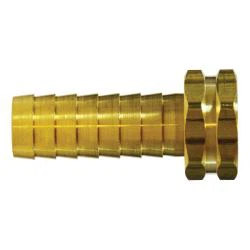
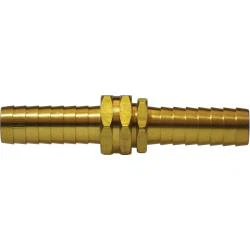
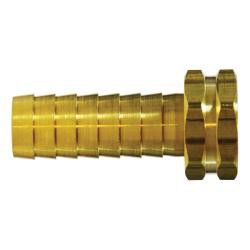
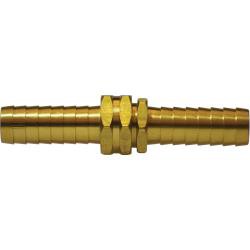
For example, the Rod Brass Long 2 Shank and Rod Brass 2 Shank are great options. These connectors are designed to be reliable and easy to use. They'll ensure a secure connection between your hose and other equipment, so you can water your garden without any leaks or interruptions.
Water Flow
Good water flow is essential for effective watering. A hose with a large diameter will generally have better water flow than a narrow one. But it's not just about the diameter; the internal design of the hose also plays a role.
Some hoses have smooth interiors to reduce friction and allow water to flow more freely. This means you'll get a stronger and more consistent stream of water, which is great for watering your plants evenly.
Ease of Storage
When you're not using your hose, you'll need to store it. A good garden female hose should be easy to store. Some hoses come with a built - in reel or can be easily coiled up. This makes it convenient to keep the hose organized and out of the way when it's not in use.
You don't want a hose that takes up a lot of space in your shed or garage. Look for hoses that are lightweight and can be stored compactly.
Compatibility
Finally, compatibility is important. Your garden female hose should be compatible with your faucet and any other attachments you want to use, like sprinklers or nozzles. Make sure the connectors are the right size and type for your equipment.
Most hoses are designed to be compatible with standard garden faucets, but it's still a good idea to double - check. You don't want to buy a hose only to find out it doesn't fit your existing setup.
So, there you have it, the key features of a good garden female hose. If you're in the market for a new hose, keep these features in mind. And if you have any questions or need more advice, don't hesitate to reach out. As a supplier, I'm here to help you find the perfect hose for your garden.
If you're interested in purchasing a high - quality garden female hose, we'd love to have a chat with you. Whether you're a small - scale gardener or a professional landscaper, we can offer you the right hose solutions. Just get in touch, and let's start a conversation about your gardening needs.
References
- Gardening Equipment Handbook: A Guide to Quality Tools
- Hose Manufacturing and Design Manual