

Water pressure is a critical factor in the performance and durability of garden hose nuts. As a seasoned garden hose nut supplier, I've witnessed firsthand how varying water pressures can impact these essential components. In this blog, we'll delve into the effects of water pressure on garden hose nuts, exploring both the positive and negative aspects, and providing insights to help you make informed decisions for your gardening needs.
Understanding Water Pressure
Before we discuss the effects of water pressure on garden hose nuts, it's important to understand what water pressure is and how it's measured. Water pressure refers to the force exerted by water as it flows through a pipe or hose. It's typically measured in pounds per square inch (PSI). In residential settings, the average water pressure ranges from 40 to 80 PSI, although it can vary depending on the location and plumbing system.
Positive Effects of Adequate Water Pressure
- Efficient Water Flow: Adequate water pressure ensures a steady and powerful flow of water through the garden hose. This is essential for tasks such as watering plants, cleaning outdoor surfaces, and filling containers. With sufficient pressure, you can cover a larger area in less time, making your gardening chores more efficient.
- Proper Nut Function: Garden hose nuts are designed to withstand a certain range of water pressures. When the water pressure is within this range, the nut can effectively seal the connection between the hose and the faucet or other attachments. This prevents leaks and ensures a secure fit, allowing the water to flow smoothly without any interruptions.
- Enhanced Sprinkler Performance: If you use a sprinkler system in your garden, adequate water pressure is crucial for optimal performance. A higher water pressure can result in a wider spray pattern and greater coverage, ensuring that your plants receive the right amount of water. This can lead to healthier plants and a more vibrant garden.
Negative Effects of High Water Pressure
- Nut Damage: Excessive water pressure can put a strain on garden hose nuts, causing them to crack, break, or become loose. Over time, this can lead to leaks and water wastage. High water pressure can also cause the nut to wear out more quickly, reducing its lifespan and requiring more frequent replacements.
- Hose Burst: In extreme cases, high water pressure can cause the garden hose to burst. This can be dangerous and result in significant water damage to your property. The force of the water can also cause the hose to whip around, posing a risk of injury to anyone in the vicinity.
- Faucet and Attachment Damage: High water pressure can also damage the faucet or other attachments connected to the garden hose. The excessive force can cause the threads to strip or the components to break, leading to costly repairs or replacements.
Negative Effects of Low Water Pressure
- Poor Water Flow: Insufficient water pressure can result in a weak and sluggish water flow. This can make it difficult to water your plants effectively, especially if you have a large garden or need to reach distant areas. Low water pressure can also make it challenging to clean outdoor surfaces or fill containers quickly.
- Incomplete Sprinkler Coverage: If the water pressure is too low, the sprinkler system may not function properly. The spray pattern may be narrow and uneven, leaving some areas of your garden without adequate water. This can lead to dry spots and unhealthy plants.
- Difficulty in Connecting and Disconnecting: Low water pressure can make it difficult to connect and disconnect the garden hose from the faucet or other attachments. The lack of pressure can cause the nut to be loose, making it challenging to achieve a secure fit. This can be frustrating and time-consuming, especially if you need to make frequent changes to your watering setup.
Choosing the Right Garden Hose Nut for Your Water Pressure
As a garden hose nut supplier, I understand the importance of choosing the right nut for your specific water pressure. Here are some factors to consider when selecting a garden hose nut:
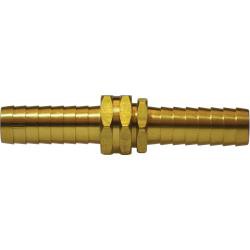
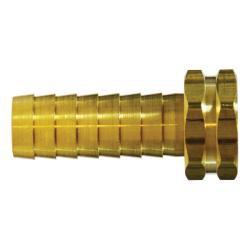
- Material: Garden hose nuts are available in a variety of materials, including brass, plastic, and stainless steel. Brass nuts are durable and resistant to corrosion, making them a popular choice for high water pressure applications. Plastic nuts are lightweight and affordable, but they may not be as durable as brass nuts. Stainless steel nuts are also corrosion-resistant and can withstand high water pressures, but they tend to be more expensive.
- Size: Garden hose nuts come in different sizes to fit various hose diameters and faucet connections. It's important to choose a nut that is the right size for your hose and faucet to ensure a proper seal. Using a nut that is too small or too large can result in leaks and other problems.
- Thread Type: There are two main types of threads used in garden hose nuts: male and female. Male threads are external and screw into a female threaded fitting, while female threads are internal and accept a male threaded fitting. Make sure to choose a nut with the correct thread type for your faucet and hose connections.
- Pressure Rating: When selecting a garden hose nut, it's important to consider its pressure rating. The pressure rating indicates the maximum water pressure that the nut can withstand without failing. Choose a nut with a pressure rating that is higher than your expected water pressure to ensure a safe and reliable connection.
Tips for Managing Water Pressure
To prevent damage to your garden hose nuts and ensure optimal performance, it's important to manage your water pressure effectively. Here are some tips to help you do this:
- Install a Pressure Regulator: A pressure regulator is a device that can be installed on your faucet to reduce the water pressure to a safe and appropriate level. This can help prevent damage to your garden hose nuts and other plumbing components.
- Check Your Water Pressure Regularly: You can use a pressure gauge to check your water pressure periodically. This will allow you to monitor any changes in the water pressure and take appropriate action if necessary.
- Use a Hose Washer: A hose washer is a small rubber or plastic ring that can be placed between the garden hose nut and the faucet or other attachments. This helps to create a better seal and prevent leaks.
- Avoid Over-Tightening the Nut: When connecting the garden hose to the faucet or other attachments, make sure not to over-tighten the nut. Over-tightening can damage the threads and cause the nut to crack or break. Use a gentle but firm hand to tighten the nut until it is snug.
- Replace Worn or Damaged Nuts: If you notice any signs of wear or damage to your garden hose nuts, such as cracks, leaks, or loose fittings, it's important to replace them as soon as possible. This will help prevent further damage and ensure a safe and reliable connection.
Conclusion
In conclusion, water pressure plays a significant role in the performance and durability of garden hose nuts. Adequate water pressure is essential for efficient water flow, proper nut function, and enhanced sprinkler performance. However, high water pressure can cause nut damage, hose bursts, and faucet and attachment damage, while low water pressure can result in poor water flow, incomplete sprinkler coverage, and difficulty in connecting and disconnecting the hose.
As a garden hose nut supplier, I recommend choosing the right nut for your specific water pressure and following the tips for managing water pressure to ensure a safe and reliable connection. By taking these steps, you can enjoy a hassle-free gardening experience and keep your plants healthy and thriving.
If you're in the market for high-quality garden hose nuts, we have a wide range of options to choose from, including the Rod Brass Long 2 Shank and Rod Brass 2 Shank. Our nuts are made from durable materials and are designed to withstand a variety of water pressures. Contact us today to discuss your requirements and start a procurement negotiation.
References
- "Water Pressure and Your Home Plumbing System." The Spruce.
- "How to Choose the Right Garden Hose Fittings." This Old House.
- "Understanding Water Pressure in Your Home." Family Handyman.


