

What is the inside diameter of a garden hose nut? This is a question that often comes up among both casual gardeners and professionals in the landscaping and irrigation industry. As a supplier of garden hose nuts, I've encountered this query numerous times, and I'm here to shed some light on this topic.
Understanding the Basics of Garden Hose Nuts
Before delving into the inside diameter, it's essential to understand what a garden hose nut is and its role. A garden hose nut is a crucial component in connecting hoses, sprinklers, nozzles, and other accessories. It provides a secure and leak - proof connection, ensuring that water flows smoothly through the system.
The inside diameter of a garden hose nut refers to the measurement of the open space within the nut through which water passes. This measurement is significant because it directly affects the water flow rate and pressure in the hose system. A larger inside diameter generally allows for a higher volume of water to pass through, while a smaller one restricts the flow.
Standard Sizes of Garden Hose Nuts
There are several standard sizes for garden hose nuts, and these sizes are commonly used around the world. In the United States, the most common sizes are 1/2 inch, 5/8 inch, and 3/4 inch. These measurements are based on the nominal inside diameter of the hose and the corresponding nut.
- 1/2 - inch Nuts: These are typically used for light - duty applications, such as watering small flower beds or indoor plants. The smaller inside diameter means that the water flow is relatively limited. However, they are lightweight and easy to handle, making them a popular choice for home use.
- 5/8 - inch Nuts: This is the most common size for residential garden hoses. It offers a good balance between water flow and pressure. It can handle a moderate amount of water, making it suitable for watering larger lawns, washing cars, or filling small pools.
- 3/4 - inch Nuts: These are often used in commercial or heavy - duty applications. With a larger inside diameter, they can deliver a high volume of water at a relatively high pressure. They are commonly found in professional landscaping, agricultural irrigation, and industrial settings.
Factors Affecting the Inside Diameter
Several factors can influence the choice of the inside diameter of a garden hose nut.
Water Source
The water pressure and flow rate of your water source play a significant role. If you have a low - pressure water supply, a smaller inside diameter nut may be sufficient. However, if you have a high - pressure source, a larger inside diameter nut can help you make the most of the available water flow.
Application
The intended use of the hose also matters. For delicate tasks like watering seedlings, a smaller diameter nut can provide a gentle and controlled water flow. On the other hand, for tasks that require a large amount of water, such as filling a large pool or power - washing a driveway, a larger diameter nut is necessary.
Hose Length
The length of the hose can affect the water pressure. Longer hoses tend to have more friction, which can reduce the water pressure at the end of the hose. In such cases, using a larger inside diameter nut can help maintain an adequate water flow.
Our Product Range
As a garden hose nut supplier, we offer a wide range of products to meet different needs. We have nuts in all the standard sizes mentioned above, made from high - quality materials such as brass and stainless steel. These materials are durable, resistant to corrosion, and can withstand the rigors of regular use.
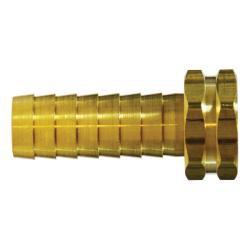
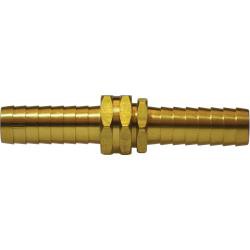
For example, our Rod Brass Long 2 Shank is a popular choice for those who need a reliable and long - lasting connection. It has a precise inside diameter that ensures smooth water flow and a tight seal. Another great option is our Rod Brass 2 Shank, which is known for its excellent performance and affordability.
Measuring the Inside Diameter
If you're unsure about the inside diameter of a garden hose nut, you can measure it using a caliper. First, make sure the nut is clean and dry. Then, open the caliper jaws and place them inside the nut, measuring the distance across the widest part of the opening. This measurement will give you the inside diameter.
It's important to note that the actual inside diameter may vary slightly from the nominal size due to manufacturing tolerances. However, these variations are usually within an acceptable range and do not significantly affect the performance of the nut.
Importance of the Right Inside Diameter
Choosing the right inside diameter of a garden hose nut is crucial for the efficient operation of your hose system. A nut with an incorrect inside diameter can lead to several problems.
- Low Water Flow: If the inside diameter is too small, the water flow will be restricted, and you may not be able to water your plants or perform other tasks effectively.
- High Pressure Loss: A nut that is too large for the hose can cause a significant pressure loss, resulting in a weak stream of water at the end of the hose.
- Leakage: An improper fit between the nut and the hose can lead to leaks, which not only waste water but also reduce the efficiency of the system.
Custom - Made Options
In some cases, standard sizes may not meet your specific requirements. That's why we also offer custom - made garden hose nuts. Whether you need a non - standard inside diameter or a special material, our team of experts can work with you to create a product that meets your exact needs.
Conclusion
The inside diameter of a garden hose nut is a critical factor in determining the performance of your hose system. By understanding the standard sizes, factors affecting the choice, and how to measure it, you can make an informed decision when selecting a garden hose nut.
As a reliable garden hose nut supplier, we are committed to providing high - quality products and excellent customer service. If you have any questions about our products or need assistance in choosing the right garden hose nut for your needs, please feel free to contact us. We look forward to discussing your requirements and helping you find the perfect solution for your hose system.
References
- "Handbook of Irrigation System Design" - A comprehensive guide on irrigation systems and their components.
- "Garden Hose Fittings: A Practical Guide" - A publication that focuses on the different types of garden hose fittings and their applications.


