Hey there! I'm a supplier of female swivels, and lately, I've been getting a ton of questions about whether female swivels are subject to any import/export regulations. So, I thought I'd sit down and write this blog post to share what I've found out and my own experiences in the industry.
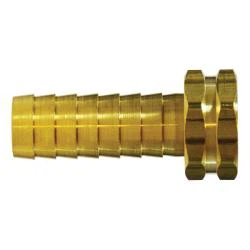
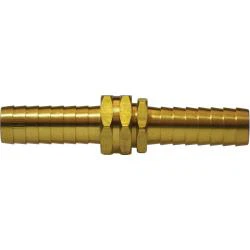
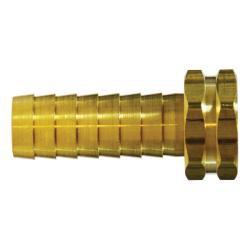
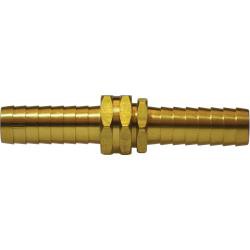
First off, let's talk about what female swivels are. They're those nifty little parts that allow for a rotating connection, often used in plumbing, automotive, and other industries. You can use them to connect hoses, pipes, or other components in a way that gives you flexibility and movement. As a supplier, I've seen the demand for these things grow steadily over the years, and I've also noticed that more and more customers are looking to source them from overseas.
Now, when it comes to import and export regulations, things can get a bit tricky. Every country has its own set of rules and requirements, and it can be a real headache to keep track of them all. But in general, female swivels are usually subject to some form of regulation.
One of the main factors that can affect import/export regulations is the material the female swivel is made of. For example, if it's made of brass, like the Rod Brass Long 2 Shank or Rod Brass 2 Shank, there could be restrictions on the amount of lead or other heavy metals it contains. Some countries have strict limits on these substances to protect the environment and public health. So, when you're exporting or importing brass female swivels, you need to make sure they meet the relevant standards.
Another important aspect is the classification of the product. Customs authorities use a system called the Harmonized System (HS) to classify goods for import and export. Female swivels fall under a specific HS code, and this code determines the duty rates, taxes, and other regulations that apply. It's crucial to get the right HS code for your female swivels because if you misclassify them, you could end up paying more in duties or facing other penalties.
Documentation is also a big deal. When you're importing or exporting female swivels, you'll need to provide a bunch of paperwork, including a commercial invoice, packing list, bill of lading, and sometimes a certificate of origin. The certificate of origin is especially important because it shows where the product was made, and this can affect the duty rates and eligibility for certain trade agreements.
Let's take a look at some specific examples of import/export regulations in different countries. In the United States, the U.S. Customs and Border Protection (CBP) is responsible for enforcing import regulations. They have strict rules on product safety, labeling, and documentation. For example, if you're importing female swivels for use in the food industry, they need to meet the Food and Drug Administration (FDA) standards.
In the European Union (EU), things are a bit more complex because there are 27 member states, each with its own regulations. However, the EU has a common external tariff and a set of harmonized rules for product safety and environmental protection. If you're exporting female swivels to the EU, you'll need to make sure they comply with the relevant EU directives, such as the Restriction of Hazardous Substances (RoHS) directive, which restricts the use of certain hazardous materials in electrical and electronic equipment.
China is another major player in the global trade of female swivels. As an exporter from China, you'll need to deal with the General Administration of Customs of the People's Republic of China. They have their own set of regulations on product quality, labeling, and documentation. And if you're importing female swivels from China, you'll need to be aware of any anti - dumping or countervailing duties that might apply.
So, how can you navigate these import/export regulations? Well, the first thing you can do is do your research. Check the official websites of the customs authorities in the countries you're dealing with. They usually have a lot of information about the regulations, forms, and procedures. You can also consult with a customs broker or freight forwarder. These guys are experts in international trade and can help you with everything from classification to documentation.
As a supplier of female swivels, I've had my fair share of experiences dealing with import/export regulations. I've had to work closely with my customers to make sure they understand the requirements and can get the products they need without any hassle. Sometimes, it takes a bit of extra effort, but it's worth it in the end because it helps build long - term relationships with my customers.
If you're in the market for female swivels and are worried about the import/export regulations, don't hesitate to reach out. I've got the knowledge and experience to help you navigate these waters. Whether you're a small business looking to source a few female swivels or a large company with a big order, I can work with you to make sure everything goes smoothly.
In conclusion, female swivels are indeed subject to import/export regulations, but with the right knowledge and preparation, you can overcome these challenges. By understanding the material requirements, classification, documentation, and specific regulations in different countries, you can ensure a successful import or export transaction. So, if you're interested in purchasing female swivels from me, just get in touch, and we can start discussing your needs and how to handle the import/export process.
References:
- U.S. Customs and Border Protection official resources
- European Union official websites on trade regulations
- General Administration of Customs of the People's Republic of China official materials