Hey there, fellow gardening enthusiasts! As a supplier of garden hose fittings, I've been in the thick of the industry for quite some time. One question that pops up a lot is, "What's the difference between male and female garden hose fittings?" Well, let's dive right in and break it down.
First off, let's talk about the basics. Male and female garden hose fittings are like the yin and yang of the gardening world. They're designed to work together, but they have distinct features that set them apart.
The Male Fitting
The male garden hose fitting is the one with the threads on the outside. It's like the key that unlocks the water flow. When you look at a male fitting, you'll notice that it has a protruding end with ridges or threads. These threads are what allow the male fitting to screw into the female fitting.
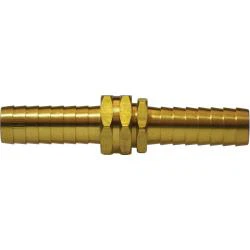
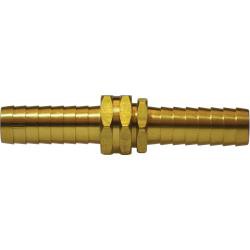
Male fittings come in different sizes and materials. You've got your standard brass ones, which are durable and resistant to corrosion. Then there are plastic male fittings, which are lighter and more affordable. But if you're looking for something a bit more heavy-duty, you might want to check out our Rod Brass Long 2 Shank. It's made of high-quality brass and has a longer shank, which provides a more secure connection.
One of the main advantages of the male fitting is its versatility. You can use it to connect your hose to a variety of things, like a faucet, a sprinkler, or a spray gun. It's like the Swiss Army knife of garden hose fittings.
The Female Fitting
On the other hand, the female garden hose fitting has the threads on the inside. It's like the lock that the male fitting key fits into. When you look at a female fitting, you'll see a recessed area with threads on the inner walls.
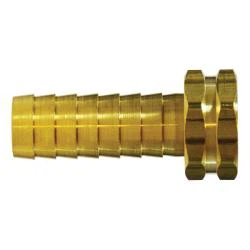
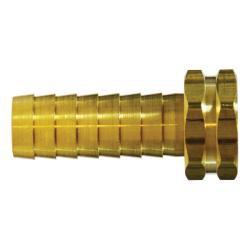
Female fittings also come in different sizes and materials. Just like the male fittings, brass is a popular choice because of its durability. But if you're on a budget, plastic female fittings can do the job just fine. Our Rod Brass 2 Shank is a great option. It's made of brass and has a sturdy construction, ensuring a tight and leak-free connection.
The female fitting is mainly used to receive the male fitting. It's often found on the end of a hose or a device that needs to be connected to a hose. For example, if you have a sprinkler system, the female fitting on the sprinkler will connect to the male fitting on the hose.
Key Differences
Now that we've covered the basics, let's take a closer look at the key differences between male and female garden hose fittings.
Thread Location
As I mentioned earlier, the most obvious difference is the location of the threads. The male fitting has the threads on the outside, while the female fitting has them on the inside. This difference is crucial because it determines how the two fittings connect.
Connection Method
The male fitting screws into the female fitting. This means that you need to turn the male fitting clockwise to tighten it and counterclockwise to loosen it. The female fitting, on the other hand, remains stationary while the male fitting is being screwed in.
Compatibility
Male and female fittings are designed to be compatible with each other. However, it's important to make sure that the sizes match. For example, a 3/4-inch male fitting will only fit into a 3/4-inch female fitting. Using mismatched sizes can result in leaks or a loose connection.
Function
The male fitting is responsible for initiating the connection and providing the water flow. The female fitting, on the other hand, receives the male fitting and ensures a secure connection. Together, they form a complete system that allows water to flow from the source to the destination.
Choosing the Right Fitting
When it comes to choosing the right garden hose fitting, there are a few things to consider.
Material
As I mentioned earlier, brass is a popular choice because of its durability and resistance to corrosion. Plastic fittings are more affordable and lighter, but they may not last as long. Consider your budget and the level of use when choosing the material.
Size
Make sure to choose the right size fitting for your hose and the device you're connecting it to. Using the wrong size can lead to leaks or a poor connection. Most hoses and devices will have the size marked on them, so it's easy to match them up.
Quality
Invest in high-quality fittings to ensure a long-lasting and leak-free connection. Cheaper fittings may seem like a good deal at first, but they can end up costing you more in the long run if they break or leak.
Why Choose Our Fittings
As a garden hose fitting supplier, we take pride in offering high-quality products at competitive prices. Our fittings are made of durable materials and are designed to provide a secure and leak-free connection. Whether you're a professional gardener or a weekend warrior, our fittings are sure to meet your needs.
We also offer a wide range of fittings to choose from. Whether you need a male fitting, a female fitting, or a combination of both, we've got you covered. Our Rod Brass Long 2 Shank and Rod Brass 2 Shank are just a few examples of the high-quality products we offer.
Contact Us for Procurement
If you're interested in purchasing our garden hose fittings, we'd love to hear from you. We're always happy to answer any questions you may have and help you find the right fittings for your needs. Whether you're looking to stock up for your business or just need a few fittings for your home garden, we can provide you with the best products and service.
So, don't hesitate to reach out and start a conversation about your procurement needs. We're here to make your gardening experience as easy and enjoyable as possible.
References
- "Garden Hose Fittings: A Comprehensive Guide." Gardening Today Magazine, 2023.
- "The Basics of Male and Female Garden Hose Fittings." DIY Gardening Blog, 2022.