Hey there! As a supplier of hose barb fittings, I often get asked if these fittings are available in different grades. The short answer is yes, and in this blog, I'll dive deep into what those grades mean, why they matter, and how you can choose the right one for your needs.
Understanding Hose Barb Fittings
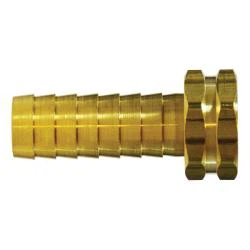
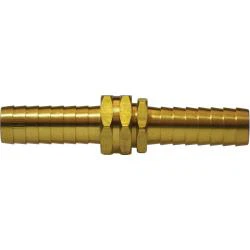
First off, let's quickly go over what hose barb fittings are. These are connectors used to join hoses to other components in a fluid system. They have a barbed end that you insert into the hose, and the barbs help to grip the hose securely, preventing leaks. They're used in a wide range of applications, from automotive and industrial to plumbing and irrigation.
Different Grades of Hose Barb Fittings
Now, to the main question: Are hose barb fittings available in different grades? Absolutely! The grades of hose barb fittings are determined by several factors, including the material they're made from, the manufacturing process, and the quality control standards they meet.
Material Grades
One of the most significant factors in determining the grade of a hose barb fitting is the material it's made from. Different materials offer different levels of durability, corrosion resistance, and chemical compatibility. Here are some common materials and their associated grades:


- Brass: Brass is a popular choice for hose barb fittings because it's relatively inexpensive, easy to machine, and has good corrosion resistance. However, not all brass is created equal. There are different grades of brass, with varying amounts of copper, zinc, and other alloying elements. Higher-grade brass fittings are typically made from a more corrosion-resistant alloy and are better suited for applications where the fitting will be exposed to harsh chemicals or environments.
- Stainless Steel: Stainless steel is another common material for hose barb fittings, especially in applications where corrosion resistance is critical. There are several grades of stainless steel, with the most common being 304 and 316. Grade 316 stainless steel contains molybdenum, which gives it better corrosion resistance than 304 stainless steel, making it ideal for use in marine and chemical processing applications.
- Plastic: Plastic hose barb fittings are lightweight, inexpensive, and resistant to many chemicals. However, they're generally not as durable as metal fittings and may not be suitable for high-pressure or high-temperature applications. There are different types of plastic used in hose barb fittings, such as PVC, polypropylene, and nylon, each with its own set of properties and applications.
Manufacturing Process Grades
The manufacturing process also plays a role in determining the grade of a hose barb fitting. Fittings that are made using more precise manufacturing techniques, such as CNC machining, are generally of a higher grade than those made using less precise methods. CNC machining allows for tighter tolerances and better surface finishes, which can improve the performance and reliability of the fitting.
Quality Control Grades
Finally, the grade of a hose barb fitting can also be determined by the quality control standards it meets. Higher-grade fittings are typically manufactured in facilities that have strict quality control procedures in place, including inspections at multiple stages of the manufacturing process. These fittings are also more likely to be tested to ensure they meet industry standards for performance and safety.
Why Grade Matters
So, why does the grade of a hose barb fitting matter? Well, choosing the right grade of fitting is crucial for ensuring the safety and reliability of your fluid system. Using a fitting that's not up to the task can lead to leaks, failures, and even safety hazards. Here are some reasons why grade matters:
- Durability: Higher-grade fittings are generally more durable and can withstand more wear and tear over time. This means they're less likely to fail prematurely, which can save you time and money in the long run.
- Corrosion Resistance: If your fitting will be exposed to corrosive chemicals or environments, choosing a fitting with the right level of corrosion resistance is essential. Using a fitting that's not corrosion-resistant can lead to rust, pitting, and other forms of damage, which can compromise the integrity of the fitting and the entire fluid system.
- Chemical Compatibility: Different materials have different levels of chemical compatibility. Using a fitting that's not compatible with the chemicals it will come into contact with can lead to chemical reactions, which can damage the fitting and the hose, and even contaminate the fluid being transported.
- Performance: Higher-grade fittings are typically designed to meet more stringent performance standards. This means they're more likely to provide a reliable and leak-free connection, even under high pressure or high-temperature conditions.
Choosing the Right Grade of Hose Barb Fitting
Now that you understand why grade matters, how do you choose the right grade of hose barb fitting for your application? Here are some factors to consider:
- Application Requirements: The first step in choosing the right grade of fitting is to understand the requirements of your application. Consider factors such as the type of fluid being transported, the pressure and temperature of the system, and the environment in which the fitting will be used.
- Material Compatibility: Make sure the material of the fitting is compatible with the fluid being transported and the environment in which it will be used. For example, if you're transporting a corrosive chemical, you'll need a fitting made from a corrosion-resistant material, such as stainless steel or a high-grade plastic.
- Pressure and Temperature Ratings: Check the pressure and temperature ratings of the fitting to make sure they're suitable for your application. Using a fitting that's not rated for the pressure or temperature of your system can lead to failures and safety hazards.
- Quality Standards: Look for fittings that are manufactured to meet industry standards, such as ISO or ASTM. These standards ensure that the fitting has been tested and meets certain performance and safety requirements.
Our Product Range
As a supplier of hose barb fittings, we offer a wide range of products in different grades and materials to meet the needs of our customers. Here are some of our popular products:
- Female Adapter - Swivel(with Gasket): This fitting is made from high-quality brass and features a swivel design for easy installation and a gasket for a leak-free seal.
- Inverted Flare Male Connector: Our inverted flare male connectors are available in stainless steel and brass and are designed for use in high-pressure applications.
- Reusable Female Swivel Stem: This fitting is made from durable plastic and features a reusable design, making it a cost-effective option for many applications.
Contact Us for Procurement
If you're in the market for hose barb fittings and need help choosing the right grade for your application, don't hesitate to contact us. Our team of experts is here to assist you in finding the perfect fitting for your needs. Whether you're looking for a standard fitting or a custom solution, we have the products and expertise to meet your requirements. Let's start a conversation and find the best hose barb fittings for your project!
References
- ASME B16.11 - Forged Fittings, Socket-Welding and Threaded
- ASTM A276 - Standard Specification for Stainless Steel Bars and Shapes
- ISO 9001 - Quality Management Systems