

Can a garden hose nut be repaired? This is a question that many homeowners and gardening enthusiasts often find themselves asking. As a supplier of high - quality garden hose nuts, I've encountered this query numerous times in my line of work. In this blog, I'll delve into the intricacies of garden hose nut repair, exploring when it's feasible, the methods involved, and when replacement might be the better option.
Understanding Garden Hose Nuts
Before we jump into the repair aspect, it's essential to understand what garden hose nuts are and their function. Garden hose nuts are small but crucial components that connect hoses to faucets, sprinklers, or other accessories. They are typically made of materials like brass, plastic, or stainless steel. Brass nuts, such as the Rod Brass Long 2 Shank and Rod Brass 2 Shank, are popular due to their durability and corrosion - resistance.
These nuts are designed to provide a tight seal, preventing water leakage. However, over time, they can face wear and tear due to factors like constant water pressure, exposure to the elements, and improper installation.
Signs That a Garden Hose Nut Needs Repair
There are several tell - tale signs that indicate a garden hose nut may need repair. The most obvious one is water leakage around the connection point. If you notice a small puddle forming under the hose connection, it's likely that the nut is not creating a proper seal. Another sign is difficulty in tightening or loosening the nut. This could be due to stripped threads or a build - up of debris inside the nut.
In some cases, you might also observe visible damage to the nut, such as cracks or dents. These physical damages can compromise the integrity of the nut and lead to leaks.
When Can a Garden Hose Nut Be Repaired?
The feasibility of repairing a garden hose nut largely depends on the extent of the damage. Minor issues, such as a loose connection or a small leak due to a misaligned nut, can often be fixed easily. For example, if the nut is just a bit loose, you can try tightening it using a pair of pliers or a wrench. Make sure to turn it clockwise gently to avoid over - tightening, which can cause more damage.
If the leak is due to debris or dirt inside the nut, you can disassemble the connection and clean the nut thoroughly. Use a soft brush to remove any dirt or sediment, and then rinse it with clean water. After cleaning, reassemble the connection and check if the leak has stopped.
In cases where the threads are slightly stripped, you can use a thread repair kit. These kits typically come with a special compound that can fill in the damaged threads and restore their functionality. Apply the compound according to the manufacturer's instructions, and let it dry completely before re - using the nut.
Repair Methods for Garden Hose Nuts
- Tightening and Realigning
As mentioned earlier, if the nut is loose, simply tightening it can solve the problem. However, it's important to do it carefully. First, turn off the water supply to the hose. Then, use a pair of adjustable pliers or a wrench to grip the nut firmly. Turn it clockwise in small increments until you feel it tighten. Be cautious not to apply too much force, as this can damage the nut or the connected components. - Cleaning
If the leak is caused by debris, cleaning the nut is a straightforward solution. Start by disconnecting the hose from the faucet or accessory. Inspect the nut for any visible dirt or sediment. Use a soft - bristled brush, such as an old toothbrush, to gently scrub the inside and outside of the nut. Pay special attention to the threads. Rinse the nut under running water to remove all the dirt. Once it's clean, dry it thoroughly with a towel before reconnecting it. - Thread Repair
For slightly stripped threads, a thread repair kit can be a great solution. These kits usually contain a liquid or paste that hardens to form new threads. Before applying the compound, clean the damaged area of the threads with a degreaser to ensure proper adhesion. Then, apply the compound evenly over the stripped threads, following the manufacturer's instructions. Let the compound dry for the recommended time, and then you can use the nut again.
When Replacement Is the Better Option
While many garden hose nut problems can be repaired, there are situations where replacement is the more practical choice. If the nut is severely cracked or broken, repair may not be possible. A cracked nut can no longer provide a proper seal, and attempting to repair it may only lead to further leaks.
In cases where the threads are severely stripped beyond repair, replacement is also advisable. Using a nut with damaged threads can cause continuous leaks and may even damage the connected components over time.
Another factor to consider is the age of the nut. If the nut is old and has been in use for a long time, it may be more cost - effective to replace it rather than trying to repair it. Old nuts are more likely to develop other issues in the future, and a new nut will ensure a reliable and long - lasting connection.
Choosing the Right Replacement Nut
If you decide to replace the garden hose nut, it's important to choose the right one. Consider the material, size, and type of connection. As mentioned earlier, brass nuts are a popular choice due to their durability. Make sure to select a nut that matches the size of your hose and the connection type (e.g., male or female).
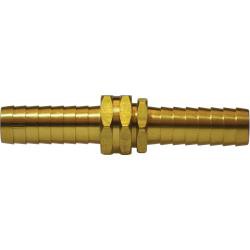
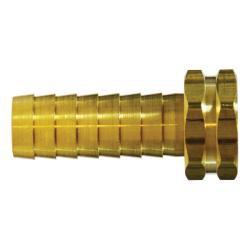
Our product range includes high - quality garden hose nuts, such as the Rod Brass Long 2 Shank and Rod Brass 2 Shank. These nuts are designed to provide a secure and leak - free connection, ensuring that your garden hose functions properly.
Conclusion
In conclusion, a garden hose nut can often be repaired, especially when the damage is minor. Simple issues like loose connections, debris - related leaks, and slightly stripped threads can be fixed with basic tools and some DIY skills. However, in cases of severe damage or old age, replacement is the better option.
As a supplier of garden hose nuts, I'm committed to providing high - quality products and helpful advice to our customers. If you're facing issues with your garden hose nuts or need assistance in choosing the right replacement, feel free to reach out to us. We're here to help you keep your garden hoses in top - notch condition. Whether you're a professional gardener or a casual homeowner, we can offer the right solutions for your needs. Contact us today to start a discussion about your garden hose nut requirements.
References
- "Gardening Tool Maintenance Guide" - A comprehensive guide on maintaining various gardening tools, including garden hose nuts.
- Manufacturer's manuals for garden hose nuts and thread repair kits.


