

Can a garden hose plug be used in a hot water hose? This is a question that many customers have asked me as a garden hose plug supplier. In this blog post, I'll delve into the technical and practical aspects of using a garden hose plug in a hot water hose, exploring the compatibility, potential risks, and best practices.
Understanding the Basics: Garden Hose Plugs and Hot Water Hoses
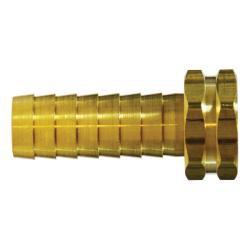
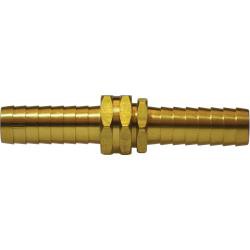
First, let's clarify what garden hose plugs and hot water hoses are. Garden hose plugs are simple yet essential components used to seal the end of a garden hose, preventing water from flowing out when the hose is not in use. They come in various materials, such as plastic, rubber, and metal, and different designs to fit different hose sizes and types. For example, our Rod Brass 2 Shank and Rod Brass Long 2 Shank are two popular brass garden hose plugs known for their durability and reliability.
On the other hand, hot water hoses are designed to handle high - temperature water. They are typically made of materials that can withstand heat without deforming, cracking, or releasing harmful chemicals. These hoses are often used in applications such as hot water cleaning, industrial processes, or in some cases, home heating systems.
Compatibility Considerations
When considering using a garden hose plug in a hot water hose, the first factor to look at is the material compatibility. Most standard garden hose plugs are not designed to handle high temperatures. Plastic plugs, for instance, can soften and deform when exposed to hot water, losing their ability to seal the hose properly. This can lead to leaks, which not only waste water but can also cause damage to the surrounding area.
Rubber plugs may also face issues. High - temperature water can cause the rubber to degrade over time, becoming brittle or losing its elasticity. This can result in a poor seal and potential failure of the plug.
Metal plugs, such as brass, are generally more heat - resistant than plastic or rubber. However, even brass has its limits. Prolonged exposure to extremely hot water can cause the brass to corrode or expand, which may affect the fit of the plug and lead to leaks.
Potential Risks
Using an incompatible garden hose plug in a hot water hose can pose several risks.
Leakage
As mentioned earlier, the most obvious risk is leakage. If the plug cannot withstand the high temperature of the water, it may fail to create a tight seal. This can result in water spraying out, which can be a safety hazard, especially in areas where there are electrical appliances or slippery floors.
Damage to the Hose
The wrong plug can also damage the hot water hose. For example, if a plastic plug softens and expands inside the hose, it may cause the hose to bulge or even burst. This can be costly to repair or replace, and it may also disrupt any processes that rely on the hot water hose.
Safety Hazards
In some cases, using an improper plug can lead to safety hazards. For example, if a plug fails suddenly, it can cause a sudden release of high - pressure hot water, which can scald people nearby. Additionally, if the plug releases harmful chemicals due to heat degradation, it can contaminate the water supply, posing a health risk.
Best Practices
If you need to use a plug in a hot water hose, here are some best practices to follow:
Choose the Right Material
Look for plugs specifically designed for high - temperature applications. Some manufacturers produce hot - water - resistant plugs made of materials like high - grade silicone or heat - treated metals. These plugs are more likely to withstand the heat and maintain a proper seal.
Check the Temperature Rating
Before using a plug, check its temperature rating. Make sure that the maximum temperature it can handle is higher than the temperature of the hot water in your hose. This information is usually provided by the manufacturer on the product packaging or in the product specifications.
Inspect Regularly
Even if you use a high - quality plug, it's important to inspect it regularly for signs of wear and tear. Look for any cracks, deformation, or discoloration. If you notice any issues, replace the plug immediately to prevent potential problems.
Follow Manufacturer's Instructions
Always follow the manufacturer's instructions for both the hot water hose and the plug. This includes proper installation, usage, and maintenance guidelines.
Conclusion
In conclusion, while it may be tempting to use a standard garden hose plug in a hot water hose, it's generally not a good idea due to the potential risks and compatibility issues. However, with the right knowledge and the use of appropriate plugs, you can safely seal your hot water hoses.
As a garden hose plug supplier, I'm committed to providing high - quality products that meet the diverse needs of our customers. If you're in the market for a plug for your hot water hose, we have a range of options available that are designed to handle high temperatures.
If you're interested in learning more about our products or have any questions regarding the use of garden hose plugs in hot water hoses, please don't hesitate to contact us. We're here to assist you in making the right choice for your specific application. Whether you need a Rod Brass 2 Shank or a Rod Brass Long 2 Shank, we can provide you with the best solutions. Let's start a conversation and find the perfect plug for your hot water hose needs.
References
- "Hose Fittings and Accessories Handbook" - A comprehensive guide on hose fittings, including information on materials and temperature ratings.
- Manufacturer's product specifications for garden hose plugs and hot water hoses.


