

Can female swivels be used in oil and gas applications? That's a question I get asked a lot as a female swivel supplier. And let me tell you, it's not a simple yes or no answer. There are a bunch of factors to consider, so let's dive right in.
First off, what exactly are female swivels? Well, they're basically components that allow for rotational movement in a system. They've got a female thread on one end, which can connect to a male-threaded part. This rotation feature helps reduce stress on pipes and hoses, making them less likely to kink or break.
Now, the oil and gas industry is a tough one. It involves high pressures, extreme temperatures, and some pretty corrosive substances. So, can female swivels handle all that? The answer is, in many cases, yes. But it depends on a few key things.
One of the most important factors is the material of the female swivel. In the oil and gas world, you need something that's strong and corrosion-resistant. Stainless steel is a popular choice because it can stand up to harsh chemicals and high pressures. For instance, in offshore drilling rigs where seawater is constantly present, stainless steel female swivels are a great option as they won't rust easily.
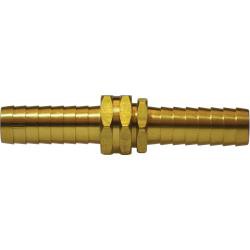
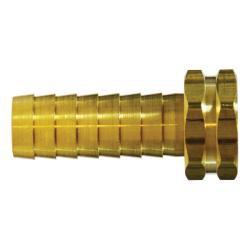
Another material that can be used is brass. Brass has good machinability, which means it can be made into the right shape easily. It also has some corrosion resistance. However, it might not be as suitable for extremely high-pressure or high-temperature applications. If you're looking for brass options, you can check out Rod Brass 2 Shank and Rod Brass Long 2 Shank. These are great examples of brass components that have their uses in different setups.
The design of the female swivel also matters a lot. In oil and gas applications, you need a design that can handle the specific flow requirements. For example, some applications might require a swivel with a large bore to allow for a high volume of fluid flow. Others might need a more compact design to fit into tight spaces.
Let's talk about pressure ratings. The oil and gas industry often deals with very high pressures. A female swivel used in these applications needs to have a pressure rating that can handle the maximum pressure it will encounter. If the pressure rating is too low, there's a risk of the swivel failing, which can lead to leaks and other safety hazards. So, when choosing a female swivel, make sure to check its pressure rating and match it to the requirements of your oil and gas system.
Temperature is another crucial factor. In some oil and gas operations, temperatures can get extremely high, like in refineries. Or in some cold regions, the temperatures can be very low. The female swivel needs to be able to maintain its integrity across a wide range of temperatures. Some materials, like certain types of steel alloys, are better at handling temperature variations than others.
Corrosion resistance is also a big deal. The oil and gas industry uses a lot of chemicals, and the fluids being transported can be corrosive. If a female swivel isn't corrosion-resistant, it can start to break down over time. This can lead to leaks, which are not only a safety issue but also an environmental concern. That's why materials like stainless steel and some special coatings are used to protect the swivel from corrosion.
Now, let's look at some of the actual applications where female swivels can be used in the oil and gas industry. One common application is in pipeline connections. When you're laying down pipelines, female swivels can be used to connect different sections of the pipe. This allows for some flexibility in the pipeline, which is important as the ground might shift over time or the pipes might expand and contract due to temperature changes.
In storage facilities, female swivels can be used in the hoses that are used to transfer oil and gas between storage tanks and transport vehicles. The swivel feature helps prevent the hoses from getting tangled and makes the transfer process smoother.
Another application is in offshore platforms. Here, female swivels are used in the riser systems that connect the subsea wells to the platform. These riser systems are constantly exposed to the harsh marine environment, so the female swivels need to be able to withstand the high pressures, saltwater corrosion, and the movement caused by waves and currents.
So, in conclusion, female swivels can definitely be used in oil and gas applications. But it's crucial to choose the right material, design, and have the appropriate pressure and temperature ratings. If you're in the oil and gas business and need female swivels, don't hesitate to reach out. We've got a wide range of options to suit different needs, and we're more than happy to help you find the perfect fit for your application. Whether it's for a small-scale operation or a large industrial project, we've got you covered.
Contact us today to start the procurement discussion and see how our female swivels can improve the efficiency and safety of your oil and gas systems.
References
- ASME Standards for Pressure Piping
- API Specification for Oilfield Equipment


