

Hey there, fellow garden enthusiasts! As a supplier of garden hose fittings, I get this question all the time: "How do I know if a garden hose fitting is compatible with my hose?" It's a valid concern, and in this blog post, I'm gonna break it down for you so you can make the right choice for your gardening needs.
Understanding the Basics of Garden Hose Fittings
First things first, let's talk about what garden hose fittings are and why they're so important. Garden hose fittings are the connectors that attach your hose to things like faucets, sprinklers, and other gardening tools. Without the right fitting, your hose won't work properly, and you could end up with leaks or a whole lot of frustration.
There are a few key factors to consider when it comes to compatibility:
1. Size Matters
The most crucial aspect of hose fitting compatibility is the size. Garden hoses and fittings come in different diameters, and they need to match up perfectly. The standard sizes for garden hoses in the United States are ⅜ inch, ½ inch, ⅝ inch, and ¾ inch. You'll usually find the size marked on the hose itself. When you're shopping for a fitting, make sure to check the size specification. If the sizes don't match, you're gonna have a hard time getting a secure connection.
For example, if you have a ½ - inch hose, you need a ½ - inch fitting. It might seem obvious, but it's easy to overlook, especially if you're in a hurry to get your garden watered.
2. Thread Type
Another important factor is the thread type. There are two main types of threads for garden hose fittings: National Pipe Thread (NPT) and Garden Hose Thread (GHT).
- National Pipe Thread (NPT): This type of thread is commonly used for plumbing applications. It has a tapered design, which means the threads get smaller towards the end. NPT fittings are often used for connecting hoses to faucets or other plumbing fixtures.
- Garden Hose Thread (GHT): GHT is the standard thread for garden hoses. It's a straight thread, and it's what you'll find on most garden hoses and fittings. If you're using a garden hose, chances are you'll need a GHT fitting.
Mixing up the thread types can lead to leaks and a poor connection. So, take a close look at the threads on your hose and the fitting you're considering. If they don't match, it's not gonna work.
3. Material Compatibility
The material of the fitting and the hose also matters. Garden hose fittings can be made from a variety of materials, including brass, plastic, and stainless steel.
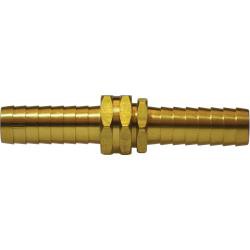
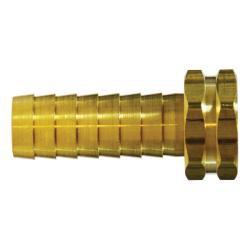
- Brass: Brass fittings are durable and resistant to corrosion. They're a popular choice for garden hoses because they can withstand the elements and last a long time. Rod Brass Long 2 Shank is a great example of a high - quality brass fitting. It's designed to provide a secure connection and is built to last.
- Plastic: Plastic fittings are lightweight and affordable. They're a good option if you're on a budget or if you don't need a heavy - duty fitting. However, they may not be as durable as brass or stainless steel, and they can crack or break over time.
- Stainless Steel: Stainless steel fittings are strong and resistant to rust. They're a great choice for outdoor use, especially in areas with harsh weather conditions.
When choosing a fitting, make sure the material is compatible with your hose. For example, if you have a rubber hose, a brass or stainless steel fitting might be a better choice than a plastic one, as it will provide a more secure and long - lasting connection.
Checking Compatibility in Practice
Now that you know the key factors, let's talk about how to actually check if a fitting is compatible with your hose.
1. Measure the Hose
Use a ruler or a tape measure to measure the diameter of your hose. Make sure to measure the outside diameter, as this is what determines the size of the fitting you need. If you're not sure how to measure it accurately, you can also take the hose with you when you go shopping for a fitting.
2. Examine the Threads
Take a close look at the threads on your hose. You can use a magnifying glass if necessary. Compare the threads to the threads on the fitting you're considering. If they look the same in terms of pitch (the distance between the threads) and whether they're tapered or straight, then they're likely compatible.
3. Try the Connection
If possible, try connecting the fitting to your hose before you buy it. Most hardware stores or garden centers will let you do this. Just make sure to be gentle when you're screwing the fitting on. If it goes on smoothly and you can get a tight connection without forcing it, then it's probably a good fit.
Common Compatibility Issues and Solutions
Even if you follow all the steps, you might still run into some compatibility issues. Here are some common problems and how to solve them:
1. Leaks
Leaks are one of the most common problems with garden hose fittings. If you notice a leak, it could be due to a few things:
- Incorrect Size: As we mentioned earlier, if the sizes don't match, you're likely to have a leak. Make sure you have the right size fitting for your hose.
- Loose Connection: Sometimes, the fitting just isn't tightened enough. Try tightening it a little more using a wrench or pliers. Be careful not to over - tighten, as this can damage the threads.
- Damaged Threads: If the threads on your hose or fitting are damaged, it can cause a leak. In this case, you may need to replace the damaged part.
2. Difficulty Connecting
If you're having a hard time connecting the fitting to your hose, it could be because of the thread type. Make sure you have the right type of thread. If you're still having trouble, you can try using a thread seal tape. This tape can help fill in any gaps and make the connection more secure.
Our Range of Compatible Garden Hose Fittings
At our supply, we offer a wide range of garden hose fittings to meet your needs. Whether you need a simple connector or a more specialized fitting, we've got you covered.
Our Rod Brass 2 Shank is a popular choice among our customers. It's made from high - quality brass, which means it's durable and resistant to corrosion. The 2 - shank design provides a secure connection, and it's compatible with most standard garden hoses.
We also have a variety of plastic and stainless steel fittings, so you can choose the material that's right for you. All of our fittings are carefully tested to ensure they're compatible with a wide range of hoses.
Conclusion
Figuring out if a garden hose fitting is compatible with your hose doesn't have to be a headache. By understanding the key factors like size, thread type, and material compatibility, and by following the steps to check compatibility in practice, you can make the right choice.
If you're still not sure which fitting is right for you, don't hesitate to reach out to us. We're here to help you find the perfect fitting for your garden hose. Whether you're a professional gardener or just someone who loves to tend to their backyard garden, we've got the expertise and the products to meet your needs. Contact us today to start your procurement process and get your garden watered like a pro!
References
- "Garden Hose Fittings: A Comprehensive Guide." Gardening Today magazine.
- Manufacturer's specifications for various garden hose fittings.


