

Hey there! As a garden hose nut supplier, I get this question a lot: "How do I know if a garden hose nut is compatible with my hose?" It's a valid concern, and I'm here to break it down for you in simple terms.
Understanding Your Hose
First things first, you need to know what kind of hose you've got. There are a few key factors to consider here.
Hose Diameter
The diameter of your hose is super important. Most garden hoses come in standard diameters like 1/2 inch, 5/8 inch, and 3/4 inch. You can usually find this information printed on the side of the hose itself. If you can't find it, you can measure the inside diameter of the hose using a ruler or caliper. It's crucial to get an accurate measurement because the garden hose nut needs to fit snugly around the hose. A nut that's too big won't create a proper seal, and one that's too small won't fit at all.
Hose Type
There are different types of garden hoses, such as reinforced hoses, rubber hoses, and vinyl hoses. Each type might have a slightly different outer texture or flexibility. For example, reinforced hoses are sturdier and might have a thicker wall compared to vinyl hoses. This can affect how the nut fits. Some nuts are designed specifically for certain hose types to ensure a better grip and a leak - free connection.
Checking the Nut Specifications
Once you know your hose details, it's time to look at the garden hose nut specifications.
Nut Size
Just like with the hose diameter, the nut has a size that corresponds to the hose it's meant to fit. The size is usually marked on the nut itself. Make sure the nut size matches your hose diameter. For instance, if you have a 5/8 - inch hose, you'll need a 5/8 - inch garden hose nut.
Thread Type
The thread on the nut is another crucial aspect. There are two main types of threads: NPT (National Pipe Thread) and GHT (Garden Hose Thread). NPT is commonly used in plumbing applications, while GHT is standard for garden hoses. You need to make sure the thread type on the nut matches the thread type on your hose or the fitting you're connecting it to. If the threads don't match, you won't be able to screw the nut on properly, and it will leak.
Material Compatibility
The material of the nut matters too. Common materials for garden hose nuts include brass, plastic, and stainless steel. Brass nuts are durable and corrosion - resistant, making them a popular choice. Plastic nuts are lightweight and affordable, but they might not be as strong as brass. Stainless steel nuts are also corrosion - resistant and can be a good option for outdoor use. Consider the environment where your hose will be used. If it's in a salty or humid area, a brass or stainless steel nut might be a better choice than a plastic one.
Visual Inspection and Testing
Even if the specifications seem to match, it's always a good idea to do a visual inspection and a quick test.
Visual Inspection
When you get the nut, take a close look at it. Check for any signs of damage, such as cracks or burrs on the threads. A damaged nut won't work properly, even if it's the right size. Also, compare the nut to your hose. See if it looks like it will fit around the hose without any issues.
Test Fitting
Before you fully commit to using the nut, try test - fitting it on the hose. Screw the nut onto the hose or the fitting gently. If it goes on smoothly and feels tight without being too difficult to turn, that's a good sign. If it's too loose or too tight, or if it doesn't seem to line up properly, then the nut might not be compatible.
Some Popular Options
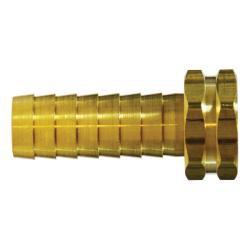
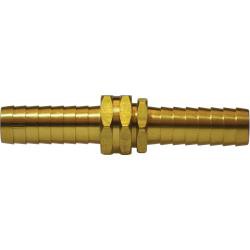
At our supply, we have a couple of great products that are worth checking out. The Rod Brass Long 2 Shank is a high - quality option. It's made of brass, so it's durable and corrosion - resistant. The long shank design gives you a better grip when tightening the nut, and it's suitable for a variety of hose types. Another option is the Rod Brass 2 Shank. This one is also made of brass and has a reliable design. It's a great choice for those looking for a standard and reliable garden hose nut.
Conclusion
Figuring out if a garden hose nut is compatible with your hose isn't as complicated as it might seem. By understanding your hose's diameter, type, and the nut's specifications like size, thread type, and material, you can make an informed decision. Always do a visual inspection and a test fitting to be sure.
If you're in the market for garden hose nuts and have any questions about compatibility or our products, don't hesitate to reach out. We're here to help you find the perfect fit for your hoses. Whether you're a homeowner looking to fix a leaky hose or a contractor in need of bulk supplies, we've got you covered. Let's start a conversation and find the best garden hose nuts for your needs!
References
- General knowledge of garden hose and fitting industry standards.
- Product specifications and research on garden hose nuts.


