

As a seasoned supplier of brass pipe fittings, I understand the critical importance of ensuring the quality of these products during the purchase process. Brass pipe fittings are widely used in various industries, including plumbing, HVAC, and industrial applications. Their quality directly affects the performance, safety, and longevity of the entire piping system. In this blog post, I will share some essential tips on how to ensure the quality of brass pipe fittings when making a purchase.
1. Understand the Material Composition
The first step in ensuring the quality of brass pipe fittings is to understand their material composition. Brass is an alloy primarily made of copper and zinc, with varying proportions of other elements such as lead, tin, and iron. The quality of brass can vary significantly depending on the purity of the base metals and the specific alloy composition.

- Copper Content: Copper is the main component of brass, and a higher copper content generally indicates better quality. High - copper brass fittings are more resistant to corrosion, have better thermal conductivity, and are more malleable. Look for fittings with a copper content of at least 60%.
- Zinc Content: Zinc is added to copper to improve the strength and hardness of the alloy. However, excessive zinc can make the brass more brittle. A balanced zinc content is crucial for optimal performance.
- Lead Content: In the past, lead was commonly added to brass to improve its machinability. However, due to health concerns, many countries have strict regulations on the lead content in brass products used in drinking water systems. Make sure the brass pipe fittings you purchase comply with the relevant lead - free standards, such as NSF/ANSI 61 in the United States.
2. Check the Manufacturing Standards
Reputable brass pipe fittings are manufactured according to specific industry standards. These standards ensure that the fittings meet certain quality, dimensional, and performance requirements.
- International Standards: Look for fittings that comply with international standards such as ISO (International Organization for Standardization) or ASTM (American Society for Testing and Materials). These standards provide clear guidelines on the material properties, dimensions, and testing methods for brass pipe fittings.
- Domestic Standards: In addition to international standards, some countries have their own domestic standards. For example, in the European Union, brass pipe fittings must comply with the EN (European Norms) standards. Make sure the fittings you purchase meet the applicable domestic standards in your region.
3. Examine the Physical Appearance
The physical appearance of brass pipe fittings can provide valuable clues about their quality.
- Surface Finish: A high - quality brass pipe fitting should have a smooth and uniform surface finish. Any signs of rough edges, pits, or scratches may indicate poor manufacturing quality or damage during handling.
- Color and Luster: The color of brass can vary depending on its composition and the manufacturing process. Generally, a rich, golden - yellow color with a consistent luster is a sign of good quality. Discoloration or a dull appearance may indicate impurities or improper heat treatment.
- Dimensional Accuracy: Check the dimensions of the fittings to ensure they match the specified requirements. Inaccurate dimensions can lead to installation problems and leaks in the piping system. You can use measuring tools such as calipers or micrometers to verify the dimensions.
4. Evaluate the Manufacturing Process
The manufacturing process used to produce brass pipe fittings can significantly affect their quality.
- Casting or Forging: Brass pipe fittings can be manufactured through casting or forging processes. Forged fittings are generally stronger and more durable than cast fittings because the forging process aligns the grain structure of the metal, improving its mechanical properties. Look for forged fittings, especially for applications that require high - pressure or high - stress resistance.
- Heat Treatment: Heat treatment is an important step in the manufacturing process of brass pipe fittings. Proper heat treatment can improve the hardness, strength, and corrosion resistance of the fittings. Ask the supplier about the heat treatment process used and ensure that it meets the relevant standards.
5. Request Product Testing Reports
Reputable suppliers should be able to provide product testing reports to prove the quality of their brass pipe fittings.
- Material Testing: Material testing reports can confirm the chemical composition of the brass, ensuring that it meets the specified requirements. These reports can also detect the presence of any impurities or contaminants.
- Pressure Testing: Pressure testing reports can verify the pressure - bearing capacity of the fittings. This is especially important for applications where the piping system will be subjected to high pressures.
- Corrosion Testing: Corrosion testing reports can provide information about the corrosion resistance of the fittings in different environments. This is crucial for applications where the fittings will be exposed to corrosive substances.
6. Consider the Supplier's Reputation
The reputation of the supplier is an important factor to consider when purchasing brass pipe fittings.
- Industry Experience: A supplier with a long - standing presence in the industry is more likely to have the expertise and experience to produce high - quality brass pipe fittings. Look for suppliers who have been in business for several years and have a good track record.
- Customer Reviews: Read customer reviews and testimonials to get an idea of the supplier's reputation. Positive reviews from satisfied customers are a good indication of the supplier's reliability and the quality of their products.
- Certifications and Awards: Check if the supplier has any relevant certifications or awards. Certifications such as ISO 9001 (Quality Management System) or ISO 14001 (Environmental Management System) demonstrate the supplier's commitment to quality and environmental responsibility.
7. Look for Specific Product Features
Depending on your application, you may need brass pipe fittings with specific features.
- Thread Type: The thread type of the fittings is an important consideration. Common thread types include NPT (National Pipe Thread), BSP (British Standard Pipe), and metric threads. Make sure the thread type of the fittings matches the requirements of your piping system.
- Connection Type: There are different connection types available for brass pipe fittings, such as threaded connections, compression connections, and solder connections. Choose the connection type that is most suitable for your application.
- Special Features: Some brass pipe fittings may have special features, such as anti - corrosion coatings, insulation, or fire - resistance. Consider these features if they are relevant to your application.
Examples of Quality Brass Pipe Fittings
To give you a better idea of the types of brass pipe fittings available, here are some examples:
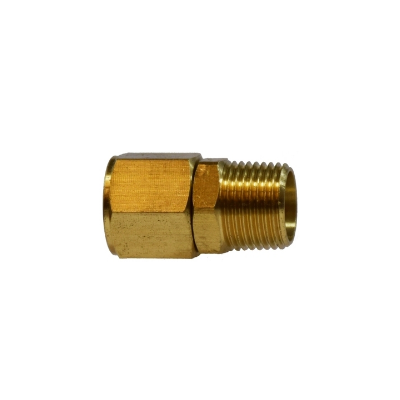
- Pipe Swivel Adapter: This type of fitting allows for easy adjustment and rotation of the pipe, making it ideal for applications where flexibility is required.
- Street Elbow 90°: A 90 - degree street elbow is used to change the direction of the pipe by 90 degrees. It is commonly used in plumbing and HVAC systems.
- Pipe Forged Cross: A forged cross fitting is used to connect four pipes at right angles. It is suitable for applications that require high - strength and reliable connections.
Conclusion
Ensuring the quality of brass pipe fittings during purchase is crucial for the performance, safety, and longevity of your piping system. By understanding the material composition, checking the manufacturing standards, examining the physical appearance, evaluating the manufacturing process, requesting product testing reports, considering the supplier's reputation, and looking for specific product features, you can make an informed decision and choose high - quality brass pipe fittings.
If you are in the market for brass pipe fittings and want to ensure the highest quality, feel free to reach out to us. We are committed to providing our customers with top - notch brass pipe fittings that meet the most stringent quality standards. Contact us today to start your procurement negotiation.
References
- ASTM International. (n.d.). Standards for brass pipe fittings. Retrieved from [ASTM website]
- ISO. (n.d.). International standards for brass products. Retrieved from [ISO website]
- NSF/ANSI 61. (n.d.). Standard for drinking water system components - health effects. Retrieved from [NSF website]


