

Hey there! I'm a supplier of Coupling Short Shank, and today I wanna chat with you about how to transport these nifty little things safely. Coupling Short Shanks are crucial components in many industries, and getting them to your customers in one piece is super important. So, let's dive right in!
Understanding Coupling Short Shanks
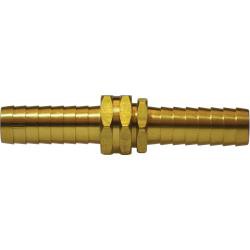
First off, let's quickly go over what Coupling Short Shanks are. They're used to connect two shafts together, allowing for the transfer of power and torque. They come in different materials, sizes, and designs, depending on the specific application. Whether it's in machinery, automotive, or other industrial settings, these couplings play a vital role.
Pre - transport Preparation
Before you even think about shipping your Coupling Short Shanks, you need to do some prep work.
Inspection
The first step is to inspect each coupling. Check for any signs of damage, like cracks, dents, or corrosion. If you find any issues, either repair or replace the damaged parts. A damaged coupling can cause problems during transport and might not work properly when it reaches the customer.
Cleaning
Give the couplings a good clean. Remove any dirt, grease, or debris. This not only makes them look better but also helps prevent any contaminants from causing issues during transport. You can use a mild solvent and a clean cloth to wipe them down.
Packaging
Proper packaging is key to safe transport. You don't want your couplings bouncing around in the box and getting damaged.
- Inner Packaging: Wrap each coupling in a protective material, like bubble wrap or foam. This helps cushion them from impacts. You can also use anti - static bags if the couplings are sensitive to static electricity.
- Outer Packaging: Place the wrapped couplings in a sturdy cardboard box. Fill any empty spaces in the box with packing peanuts or foam inserts to prevent movement. Make sure the box is labeled clearly with the product name, quantity, and any handling instructions.
Choosing the Right Transport Method
There are several ways to transport Coupling Short Shanks, and the choice depends on a few factors, like the distance, quantity, and urgency.
Local Delivery
If your customer is nearby, local delivery might be a good option. You can use a small van or a truck. This gives you more control over the transport process and reduces the risk of damage. Make sure the vehicle is clean and dry, and secure the boxes properly to prevent them from shifting during the journey.
Shipping by Courier
For longer distances but smaller quantities, using a courier service can be convenient. Companies like FedEx, UPS, or DHL have experience in handling various types of goods. They offer tracking services, so you and your customer can keep an eye on the shipment. However, make sure to choose a service that has a good reputation for handling fragile items.
Freight Shipping
If you're shipping a large quantity of Coupling Short Shanks, freight shipping is probably the way to go. You can use a freight forwarder to arrange the transport. They'll handle everything from loading the goods onto the truck or container to delivering them to the destination. But be aware that freight shipping might take longer, and you need to ensure that the carrier has proper handling procedures in place.
Handling During Transport
Once your Coupling Short Shanks are on the move, there are still things you need to consider to ensure their safety.
Loading and Unloading
During loading and unloading, it's important to handle the boxes with care. Workers should be trained to lift the boxes properly to avoid dropping or mishandling them. Use appropriate equipment, like forklifts or pallet jacks, to move heavy boxes.
Temperature and Humidity
Some Coupling Short Shanks can be affected by extreme temperatures and humidity. If possible, choose a transport method that can control these conditions. For example, if you're shipping in a hot climate, you might want to use a climate - controlled container.
Vibration
Vibration during transport can also cause damage to the couplings. Make sure the packaging is designed to absorb vibrations. You can also use shock - absorbing materials inside the boxes.
Insurance
It's always a good idea to get insurance for your shipment. No matter how careful you are, accidents can happen during transport. Insurance can protect you from financial losses if the couplings get damaged or lost. Most shipping companies offer insurance options, so make sure to ask about them when you book the transport.
Additional Considerations
There are a couple of other things you should keep in mind when transporting Coupling Short Shanks.
Compatibility with Other Goods
If you're shipping the couplings along with other goods, make sure they're compatible. Some chemicals or materials can react with the couplings and cause damage. For example, if you're shipping them in a container with corrosive substances, it could be a disaster.
Regulatory Requirements
Different regions might have different regulations regarding the transport of industrial components. Make sure you're aware of these requirements and comply with them. This includes things like proper labeling, documentation, and safety procedures.
Related Products
If you're interested in other types of shanks, we also offer Rod Brass Long 2 Shank and Rod Brass 2 Shank. These products are also high - quality and have similar transport requirements.
Conclusion
Transporting Coupling Short Shanks safely requires careful planning and attention to detail. From pre - transport preparation to choosing the right transport method and handling during the journey, every step is important. By following these tips, you can ensure that your couplings reach your customers in perfect condition.
If you're interested in purchasing Coupling Short Shanks or have any questions about transport or our products, feel free to reach out. We're always happy to help and look forward to doing business with you!
References
- Industrial Packaging Handbook
- Shipping and Logistics Best Practices Guide
- Coupling Manufacturer's Manuals


