

The bend radius of a garden female hose is a crucial parameter that significantly impacts its functionality, durability, and overall performance. As a leading supplier of garden female hoses, I understand the importance of this factor and am eager to share in - depth knowledge about it.
Understanding the Bend Radius
The bend radius refers to the minimum radius at which a hose can be bent without causing significant damage, kinking, or restricting the flow of water. When a hose is bent beyond its recommended bend radius, several issues can arise. Firstly, kinking can occur, which not only blocks the water flow but also weakens the hose material over time. This can lead to premature wear and tear, and eventually, the hose may develop leaks or even break.
Secondly, excessive bending can cause internal stress on the hose walls. The inner and outer layers of the hose experience different levels of compression and tension, which can damage the structure of the hose. This is especially true for hoses made of materials that are less flexible, such as some types of PVC.
Factors Affecting the Bend Radius
Hose Material
Different materials have different inherent flexibility, which directly affects the bend radius. For example, rubber hoses are generally more flexible than PVC hoses. Rubber has a natural elasticity that allows it to bend more easily without kinking. On the other hand, PVC hoses are stiffer, and their bend radius is typically larger. However, PVC hoses are often more resistant to abrasion and chemicals, which makes them suitable for certain applications.
Hose Wall Thickness
The thickness of the hose wall also plays a role in determining the bend radius. Thicker - walled hoses are generally less flexible and have a larger bend radius. This is because the extra material provides more resistance to bending. While thicker - walled hoses may be more durable and able to withstand higher pressures, they may not be as suitable for applications where tight bends are required.
Hose Diameter
Larger diameter hoses typically have a larger bend radius. This is because the volume of water flowing through a larger hose is greater, and the hose needs to maintain a certain shape to ensure smooth water flow. A smaller diameter hose can be bent more tightly without significantly affecting the water flow.
Importance of the Correct Bend Radius in Garden Applications
In a garden setting, the correct bend radius is essential for several reasons. When watering plants, a hose with a proper bend radius allows for easy maneuverability around flower beds, shrubs, and other obstacles. This means that you can reach all areas of your garden without having to constantly re - position the hose.
If the bend radius is too large, it may be difficult to navigate the hose in tight spaces, such as between closely - planted plants or around corners. On the other hand, if the hose is bent beyond its recommended bend radius, it can lead to reduced water pressure, which can result in uneven watering. This can be detrimental to the health of your plants, as some may receive too much water while others receive too little.
Our Garden Female Hoses and Bend Radius
At our company, we offer a wide range of garden female hoses with different bend radii to meet the diverse needs of our customers. Our hoses are made from high - quality materials, including both rubber and PVC, to provide a balance between flexibility and durability.
We understand that different garden layouts require different levels of hose flexibility. For small, intricate gardens, we recommend our rubber hoses, which have a smaller bend radius and are easy to maneuver. These hoses are perfect for reaching those hard - to - reach spots.
For larger gardens or commercial applications where the hose may need to withstand more wear and tear, our PVC hoses are a great choice. Although they have a slightly larger bend radius, they are highly resistant to abrasion and can handle higher water pressures.
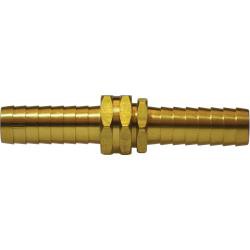
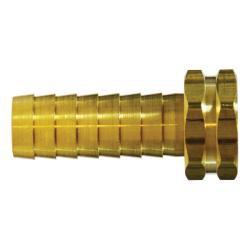
In addition to our standard hoses, we also offer a variety of hose fittings to further enhance the functionality of our products. For example, our Rod Brass Long 2 Shank and Rod Brass 2 Shank fittings are designed to provide a secure connection between the hose and other garden equipment, such as sprinklers or nozzles. These fittings are made from high - quality brass, which is corrosion - resistant and ensures a long - lasting connection.
Measuring the Bend Radius
Measuring the bend radius of a hose is relatively simple. You can use a flexible measuring tape to measure the radius of the curve when the hose is bent to its maximum without kinking. It is important to note that the bend radius may vary depending on the temperature and the age of the hose. In colder temperatures, hoses tend to become stiffer, and the bend radius may increase.
Tips for Maintaining the Bend Radius
To ensure that your garden female hose maintains its recommended bend radius and performs optimally, here are some tips:
- Store the hose properly: When not in use, store the hose in a straight position or on a hose reel. This helps to prevent the hose from developing permanent bends or kinks.
- Avoid sharp bends: When using the hose, try to avoid making sharp bends. Instead, make gentle curves to minimize stress on the hose walls.
- Check the hose regularly: Inspect the hose for any signs of kinking, wear, or damage. If you notice any issues, replace the hose or the damaged section as soon as possible.
Contact Us for Your Garden Hose Needs
If you are looking for high - quality garden female hoses with the right bend radius for your specific needs, look no further. We are committed to providing our customers with the best products and services. Whether you are a homeowner with a small garden or a professional landscaper, we have the perfect hose solution for you.
Feel free to contact us to discuss your requirements, and our team of experts will be happy to assist you in selecting the most suitable hose and fittings for your application. We are always ready to start a conversation about your garden hose procurement and look forward to a successful business relationship.
References
- "Hose Handbook" by Hose Manufacturers Institute
- "Garden Hose Technology and Applications" by various industry experts


