

Hey there, fellow garden enthusiasts! As a supplier of garden hose nuts, I've seen it all when it comes to these little but crucial parts of your garden setup. One question I get asked a lot is, "What's the difference between a large and small garden hose nut?" Well, let's dive right in and break it down.
Size Matters: The Obvious Difference
The most apparent difference between large and small garden hose nuts is, of course, their size. The diameter of the nut is the key factor here. A large garden hose nut typically has a wider opening, which means it can fit hoses with a larger diameter. On the other hand, a small garden hose nut is designed for hoses with a smaller diameter.
Why does this matter? Well, if you try to use a large nut on a small hose, it won't fit properly, and you'll end up with leaks. And if you use a small nut on a large hose, it just won't work at all. So, getting the right size is super important to ensure a tight and leak - free connection.
Flow Rate and Pressure
Another big difference between large and small garden hose nuts is how they affect the water flow rate and pressure in your garden hose. A large garden hose nut allows for a greater volume of water to pass through. This is because the wider opening provides less resistance to the water flow. So, if you have a large garden or you're using high - pressure sprinklers or nozzles, a large garden hose nut is the way to go.
Conversely, a small garden hose nut restricts the water flow. It's great for situations where you need a more controlled and gentle flow of water. For example, if you're watering delicate plants or using a handheld sprayer, a small hose nut can help you manage the water pressure better.
Compatibility with Fittings
Large and small garden hose nuts also have different compatibility with other garden hose fittings. Large nuts are often used with heavy - duty fittings that can handle a lot of water pressure. They're commonly found on commercial - grade garden hoses and industrial - style sprinklers.
Small garden hose nuts, on the other hand, are more commonly used with lightweight and domestic - grade fittings. They're perfect for your everyday home garden needs, like connecting a hose to a standard faucet or a small sprinkler.
Durability and Strength
When it comes to durability and strength, large garden hose nuts usually have an edge. Since they're designed to handle more water pressure and are often used in heavy - duty applications, they're typically made from stronger materials. For example, you'll often find large nuts made from brass or stainless steel, which can withstand a lot of wear and tear.
Small garden hose nuts, while still durable, may be made from lighter materials like plastic or aluminum. These materials are sufficient for the lower pressure and less demanding applications that small nuts are used for. However, they may not last as long as their larger, more robust counterparts in high - stress situations.
Cost
Cost is another factor to consider when choosing between a large and small garden hose nut. Generally, large garden hose nuts are more expensive. This is due to the larger amount of material used in their production and the fact that they're often made from higher - quality materials.
Small garden hose nuts are usually more budget - friendly. They're a great option if you're on a tight budget or if you only need a nut for occasional use in your home garden.
Examples of Products
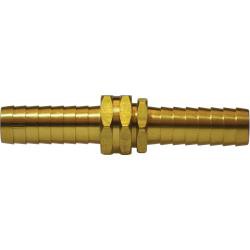
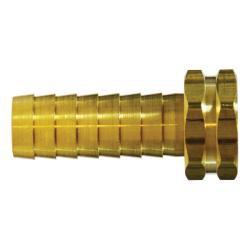
Let me give you a couple of examples of the products we offer. We have the Rod Brass 2 Shank, which is a great example of a high - quality small garden hose nut. It's made from brass, so it's durable and resistant to corrosion. It's perfect for connecting your garden hose to a standard faucet or a small sprinkler.
If you're looking for a large garden hose nut, check out our Rod Brass Long 2 Shank. This nut is designed for heavy - duty applications and can handle a lot of water pressure. It's made from high - quality brass and has a long shank for a secure connection.
Making the Right Choice
So, how do you decide whether to go for a large or small garden hose nut? First, think about the diameter of your garden hose. Measure it carefully to ensure you get the right size nut. Then, consider your garden's needs. If you have a large garden or need high - pressure water flow, a large nut is the better option. But if you have a small garden or need a more controlled water flow, a small nut will serve you well.
Also, think about your budget and how often you'll be using the nut. If you're a professional gardener or you have a large - scale gardening project, investing in a high - quality large garden hose nut is worth it. But if it's just for occasional home use, a small and affordable nut will do the job.
Contact Us for Your Garden Hose Nut Needs
If you're still not sure which garden hose nut is right for you, or if you're interested in purchasing our products, don't hesitate to get in touch. We're here to help you make the best choice for your garden. Whether you need a large or small garden hose nut, we have a wide range of options to meet your needs.
We pride ourselves on providing high - quality garden hose nuts at competitive prices. Our team of experts can answer all your questions and guide you through the purchasing process. So, if you're ready to upgrade your garden hose setup, reach out to us and let's start the conversation.
References
- "Garden Hose Fittings Guide" by Home Gardening Magazine
- "Understanding Water Flow in Garden Hoses" by the National Gardening Association


