

When it comes to maintaining a beautiful garden, a garden hose is an essential tool. And at the heart of a well - functioning garden hose system lies the garden hose nut. As a trusted garden hose nut supplier, I've seen firsthand the importance of using these nuts correctly and safely. In this blog, I'll share some crucial safety precautions that you should keep in mind when using a garden hose nut.
Understanding the Garden Hose Nut
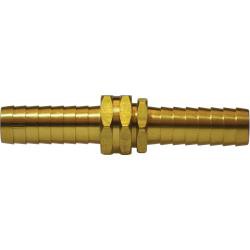
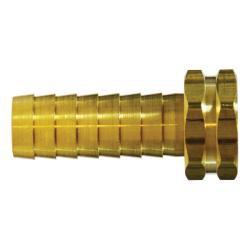
Before delving into safety precautions, it's important to understand what a garden hose nut is. A garden hose nut is a fitting that connects the hose to various devices such as faucets, sprinklers, or other hoses. It comes in different shapes, sizes, and materials, including brass, plastic, and stainless steel. Each type has its own advantages and is suitable for different applications. For instance, brass nuts are durable and resistant to corrosion, making them a popular choice for long - term use. You can check out our Rod Brass 2 Shank and Rod Brass Long 2 Shank options, which are made of high - quality brass and designed for reliable performance.
Pre - Use Safety Checks
- Inspect the Nut for Damage
Before using a garden hose nut, carefully examine it for any signs of damage. Look for cracks, chips, or worn - out threads. A damaged nut can lead to leaks, which not only waste water but can also cause water pressure problems in your hose system. If you find any damage, do not use the nut. Instead, replace it with a new one to ensure safe and efficient operation. - Check Compatibility
Ensure that the garden hose nut is compatible with the hose and the device it will be connected to. Different hoses and devices may have different thread sizes and types. Using an incompatible nut can result in a poor connection, leading to leaks or even the disconnection of the hose during use. Refer to the product specifications or consult with a professional if you're unsure about compatibility. - Examine the Hose End
Inspect the end of the garden hose where the nut will be attached. Make sure it is clean and free of dirt, debris, or any other obstructions. A dirty hose end can prevent a proper seal from forming between the nut and the hose, leading to leaks. If necessary, clean the hose end with a mild detergent and water before attaching the nut.
Installation Safety
- Use the Right Tools
When installing a garden hose nut, use the appropriate tools. A pair of adjustable pliers or a wrench can help you tighten the nut securely. Avoid using excessive force, as this can damage the nut or the hose. Instead, tighten the nut until it is snug, but not overly tight. Over - tightening can cause the threads to strip, making the nut useless and potentially damaging the hose or the device it is connected to. - Proper Thread Engagement
Ensure that the threads of the nut and the hose or device are properly engaged. Align the nut with the threads and start turning it by hand. Once the threads are engaged, use your tools to tighten the nut further. If you feel resistance or the nut doesn't turn smoothly, stop and check the alignment. Forcing the nut onto misaligned threads can damage the threads and create a leaky connection. - Sealant Application (if necessary)
In some cases, using a sealant can help create a better seal between the nut and the hose or device. However, not all nuts require sealant. If you're using a nut that is designed to be used with a sealant, apply a small amount of the recommended sealant to the threads of the nut before installation. Follow the manufacturer's instructions carefully when applying the sealant to ensure proper adhesion and performance.
During Use Safety
- Monitor Water Pressure
Keep an eye on the water pressure when using the garden hose. Excessive water pressure can put stress on the garden hose nut and other components of the hose system. High water pressure can cause the nut to loosen or even burst, leading to water damage and potential injuries. If you notice that the water pressure is too high, adjust the water flow at the source or use a pressure - regulating device to reduce the pressure. - Avoid Sharp Bends and Kinks
Do not bend or kink the garden hose near the nut. Sharp bends or kinks can restrict the flow of water and increase the pressure inside the hose, which can put stress on the nut. Over time, this can cause the nut to loosen or the hose to burst. If you need to change the direction of the hose, use gentle curves or install a hose swivel to allow for smooth movement. - Check for Leaks Regularly
Periodically check the connection between the garden hose nut and the hose or device for leaks. A small leak can quickly turn into a major problem if left untreated. If you notice any leaks, turn off the water supply immediately and tighten the nut slightly. If the leak persists, the nut may be damaged and need to be replaced.
Post - Use Safety
- Shut Off the Water Supply
After using the garden hose, always shut off the water supply at the source. This prevents water from remaining in the hose under pressure, which can put stress on the garden hose nut and other components. Leaving the water on can also cause the hose to expand and contract over time, potentially damaging the nut and the hose. - Drain the Hose
Drain the water from the garden hose after use. This helps prevent freezing in cold weather, which can damage the hose and the nut. To drain the hose, disconnect it from the water source and let the water flow out. You can also coil the hose in a way that allows any remaining water to drain out completely. - Store the Nut Properly
If you're not going to use the garden hose nut for an extended period, store it properly. Keep it in a dry, cool place away from direct sunlight and moisture. Exposure to sunlight and moisture can cause the nut to corrode or deteriorate over time. You can store the nut in a plastic bag or a container to protect it from dust and other contaminants.
Additional Safety Tips
- Educate Users
If you have multiple people using the garden hose in your household or workplace, make sure they are aware of the safety precautions when using a garden hose nut. Provide clear instructions on how to inspect, install, and use the nut safely. This can help prevent accidents and ensure the long - term performance of your garden hose system. - Follow Manufacturer's Instructions
Always follow the manufacturer's instructions when using a garden hose nut. The manufacturer provides specific guidelines on installation, use, and maintenance to ensure the safe and proper operation of the nut. Ignoring these instructions can void the warranty and may lead to safety issues.
Conclusion
Using a garden hose nut safely is crucial for maintaining a functional and efficient garden hose system. By following these safety precautions, you can prevent leaks, water damage, and potential injuries. As a garden hose nut supplier, I'm committed to providing high - quality nuts that meet the highest safety standards. If you have any questions or need assistance with choosing the right garden hose nut for your needs, please feel free to contact me. We're here to help you make the best choices for your garden and ensure a safe and enjoyable gardening experience.
References
- Various garden hose and fitting manufacturers' product manuals.
- General guidelines on plumbing and garden hose safety from industry experts.


