

Choosing the right size of Compression To Female products can be a bit of a head - scratcher, especially if you're not sure what to look for. As a Compression To Female supplier, I've seen all sorts of customers come through, each with their own unique needs and questions about sizing. So, let's break it down and figure out how you can pick the perfect size for your requirements.
First off, it's important to understand what Compression To Female products are used for. These fittings are commonly used in plumbing and fluid transfer systems. They're designed to connect a pipe or tube using a compression mechanism to a female - threaded component. This could be anything from a garden hose to a more complex industrial piping setup.
One of the most crucial factors in choosing the right size is the diameter of the pipe or tube you're working with. You need to measure the outside diameter (OD) of the pipe accurately. Most Compression To Female products are sized based on the OD of the pipe they're meant to fit. For example, if you have a pipe with an OD of 1/2 inch, you'll want to look for a Compression To Female fitting that's designed for a 1/2 - inch pipe.
But it's not just about the pipe diameter. You also need to consider the thread size of the female end. The thread size is usually specified in inches or metric measurements. For instance, you might come across fittings with a 1/4 - inch NPT (National Pipe Tapered) female thread. Make sure to match the thread size of the fitting to the component you're connecting it to. If the thread sizes don't match, you'll end up with a leaky connection, and that's the last thing you want.
Another aspect to think about is the pressure rating of the fitting. Different applications require different pressure ratings. If you're using the Compression To Female fitting in a high - pressure system, like an industrial hydraulic line, you'll need a fitting that can handle the pressure. On the other hand, if it's for a low - pressure garden hose, a lower - rated fitting will do the job just fine.
Let's talk about some common sizes and their applications. For small - scale home projects, like connecting a garden hose to a faucet, a 3/8 - inch or 1/2 - inch Compression To Female fitting is often a good choice. These sizes are widely available and can handle the typical water pressure in a residential setting.
If you're working on a plumbing project inside your house, such as connecting pipes in the bathroom or kitchen, you might need larger sizes. 3/4 - inch or 1 - inch fittings are more common in these situations. They can handle the higher flow rates and pressures associated with household plumbing.
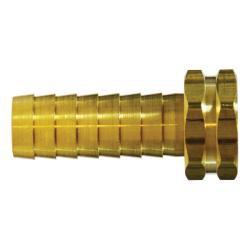
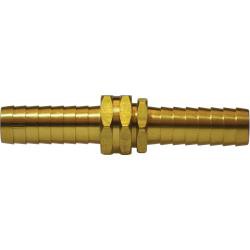
Now, I want to mention a couple of specific products that we offer. If you're looking for a reliable fitting, check out our Rod Brass 2 Shank. It's made of high - quality brass and comes in various sizes to suit different needs. Another great option is our Rod Brass Long 2 Shank. This one has a longer shank, which can be useful in certain applications where you need a bit more reach.
When it comes to choosing the right size, it's always a good idea to double - check your measurements. Don't rely on guesswork. A small mistake in sizing can lead to big problems down the road. If you're still not sure, you can always consult with our team. We're here to help you make the right choice.
In addition to the technical aspects of sizing, you should also consider the material of the fitting. Brass is a popular choice because it's durable and resistant to corrosion. Stainless steel is another option, especially for applications where you need extra strength and resistance to harsh chemicals.
You might also want to think about the environment in which the fitting will be used. If it's going to be exposed to the elements, like in an outdoor garden hose setup, you'll want a fitting that can withstand the weather. Look for fittings with a protective coating or finish to prevent rust and other forms of damage.
Now, let's say you've determined the right size and material for your Compression To Female fitting. The next step is to install it correctly. Make sure to follow the manufacturer's instructions carefully. Use the right tools, like a wrench, to tighten the compression nut properly. Over - tightening can damage the fitting, while under - tightening can result in leaks.
If you're new to working with Compression To Female fittings, it might be a good idea to practice on a spare piece of pipe first. This way, you can get a feel for how the fitting works and how to install it correctly without the pressure of a real - world application.
To sum it up, choosing the right size of Compression To Female products involves considering the pipe diameter, thread size, pressure rating, material, and the environment of use. By taking these factors into account, you can ensure a proper and leak - free connection.
If you're interested in purchasing Compression To Female products, I encourage you to get in touch with us. We have a wide range of sizes and materials to meet your needs. Whether you're a DIY enthusiast working on a home project or a professional in the plumbing or industrial field, we're here to provide you with high - quality fittings at competitive prices. So, don't hesitate to reach out and start the conversation about your Compression To Female needs.
References:
- Plumbing Handbook for Residential and Commercial Applications
- Guides on Fluid Transfer Systems and Fittings


