

Can coupling short shanks be used in wet conditions? That's a question I get asked a lot as a supplier of Coupling Short Shanks. And it's a valid one, considering how often these little guys are used in outdoor settings where wetness is just part of the deal. So, let's dive right in and break it down.
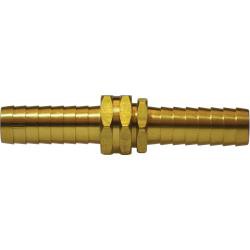
First off, what are coupling short shanks? Well, they're essential components in a whole bunch of systems, especially when it comes to connecting hoses and pipes. They're designed to provide a secure and tight connection, making sure that whatever's flowing through those pipes or hoses doesn't go anywhere it's not supposed to. You can find them in all sorts of places, from your garden hose setup to more industrial applications.
Now, let's talk about wet conditions. Wetness can come in many forms - rain, humidity, standing water, you name it. And each type of wetness can have a different impact on coupling short shanks.
The Impact of Water on Coupling Short Shanks
Rain is probably the most common form of wetness that these parts encounter. A bit of rain here and there usually won't do much harm. Most coupling short shanks are made from materials that can withstand some exposure to water. For example, many are made from brass, which is known for its corrosion - resistant properties. Brass can handle being rained on for a while without rusting or deteriorating too quickly.
But what about standing water? If your coupling short shanks are constantly submerged in water, that's a different story. Over time, even the most corrosion - resistant materials can start to break down. The constant presence of water can cause oxidation, which can weaken the material and eventually lead to leaks or even structural failure.
Humidity is another factor. High humidity levels can create a moist environment around the coupling short shanks. This can lead to the formation of condensation on the surface of the parts. If this condensation isn't dried off regularly, it can also contribute to corrosion.
Factors That Determine Suitability in Wet Conditions
There are a few key factors that determine whether coupling short shanks can be used in wet conditions.
Material
As I mentioned earlier, the material of the coupling short shank is crucial. Brass is a popular choice because it's relatively resistant to corrosion. Stainless steel is another great option. It's even more corrosion - resistant than brass and can handle long - term exposure to wet conditions better. On the other hand, if the coupling short shank is made from a cheaper, less - resistant material like regular steel, it's going to rust and degrade much faster in wet environments.
Coating
Some coupling short shanks come with special coatings. These coatings can provide an extra layer of protection against water and corrosion. For example, a zinc coating can act as a barrier between the metal and the water, slowing down the oxidation process. If you're planning to use coupling short shanks in wet conditions, look for ones with a high - quality coating.
Design
The design of the coupling short shank also matters. A well - designed coupling will have features that help prevent water from pooling or getting trapped inside. For example, some couplings have smooth surfaces and rounded edges, which make it easier for water to run off.
Our Product Range
At our supply business, we offer a wide range of coupling short shanks that are suitable for different conditions. We have the Swivel Nut Connector, which is great for garden hose setups. It's made from high - quality brass and has a smooth design that allows water to flow off easily.
Our Npsm Female Short Shank is another popular choice. It's designed for a tight and secure connection, and it can handle a fair amount of exposure to wetness thanks to its corrosion - resistant material.
If you need something more heavy - duty, our Rod Brass Long 2 Shank is a great option. It's made from thick brass and is built to last, even in more challenging wet conditions.

Tips for Using Coupling Short Shanks in Wet Conditions
If you're going to use coupling short shanks in wet conditions, here are some tips to keep them in good shape:
- Regular Inspection: Check your coupling short shanks regularly for signs of corrosion or damage. Look for rust spots, cracks, or any other visible signs of wear and tear.
- Keep Them Clean: After they've been exposed to water, make sure to clean them. Use a mild soap and water to remove any dirt or debris, and then dry them thoroughly.
- Proper Storage: When not in use, store your coupling short shanks in a dry place. This will help prevent them from being exposed to unnecessary moisture.
Conclusion
So, can coupling short shanks be used in wet conditions? The answer is yes, but it depends on a few factors. With the right material, coating, and design, they can handle a fair amount of wetness. At our supply business, we're committed to providing high - quality coupling short shanks that are suitable for a variety of conditions, including wet ones.
If you're in the market for coupling short shanks or have any questions about using them in wet conditions, don't hesitate to reach out. We're here to help you find the right products for your needs and ensure that your systems run smoothly. Whether it's for a small garden project or a large - scale industrial application, we've got you covered. Contact us today to start the procurement process and let's get you the coupling short shanks you need.
References
- "Handbook of Corrosion Resistance" - A comprehensive guide on how different materials react to water and other corrosive substances.
- "Pipe Fitting Basics" - A resource that explains the design and function of various pipe fittings, including coupling short shanks.


