

Can I use a garden hose nut with a water softener? This is a question that many homeowners and DIY enthusiasts often ask. As a supplier of garden hose nuts, I'm here to provide you with a detailed answer and share some insights on this topic.
Understanding Garden Hose Nuts and Water Softeners
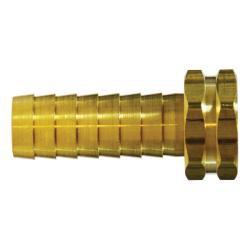
First, let's take a closer look at what garden hose nuts and water softeners are. A garden hose nut is a crucial component in the garden hose system. It is used to connect different parts of the hose, such as couplings and ends. Garden hose nuts come in various materials, including brass, plastic, and stainless steel. They are designed to provide a secure and leak - free connection between the hose and other fixtures.
On the other hand, a water softener is a device that removes minerals, such as calcium and magnesium, from hard water. Hard water can cause a variety of problems, including scale buildup in pipes, reduced efficiency of appliances, and dull - looking laundry. Water softeners typically use an ion - exchange process to replace the hard minerals with sodium or potassium ions.
Compatibility of Garden Hose Nuts with Water Softeners
The short answer is yes, in many cases, you can use a garden hose nut with a water softener. However, there are several factors to consider to ensure a proper and safe connection.
Material Compatibility
The material of the garden hose nut is crucial. When dealing with a water softener, you need to ensure that the nut material can withstand the chemical environment created by the softening process. For example, brass is a popular choice for garden hose nuts because it is durable and resistant to corrosion. A Rod Brass 2 Shank is an excellent option as it can handle the relatively mild chemical changes in the water after passing through a water softener.
Plastic nuts may also work, but they should be made from high - quality, chemical - resistant plastics. Cheaper plastic nuts may degrade over time when exposed to the water from a softener, leading to leaks or even breakage.
Size and Thread Compatibility
Proper sizing and threading are essential for a successful connection. Water softeners usually have specific inlet and outlet connections with standard thread sizes. You need to match the thread size of the garden hose nut to the thread size of the water softener. Most garden hose nuts have standard threading, but it's always a good idea to double - check the specifications of your water softener and the nut. A Garden Hose Coupling can be used to connect the hose to the water softener, but make sure it has the correct thread size.

Pressure Rating
Water softeners operate at certain pressure levels. The garden hose nut you choose must be able to handle the pressure of the water flowing through the system. High - pressure water can cause a poorly rated nut to leak or burst. Always check the pressure rating of the garden hose nut and compare it with the operating pressure of your water softener.
Steps to Connect a Garden Hose Nut to a Water Softener
If you've determined that your garden hose nut is compatible with your water softener, here are the steps to make the connection:
- Turn off the Water Supply: Before starting any connection work, turn off the main water supply to the water softener. This will prevent water from flowing out during the installation process.
- Prepare the Connection Points: Clean the threads on both the water softener outlet/inlet and the garden hose nut. Remove any dirt, debris, or old sealant.
- Apply Sealant: Wrap Teflon tape around the threads of the water softener connection in a clockwise direction. This will create a better seal and prevent leaks.
- Attach the Garden Hose Nut: Carefully screw the garden hose nut onto the water softener connection. Use a wrench to tighten the nut, but be careful not to overtighten, as this can damage the threads.
- Connect the Hose: Once the nut is securely attached to the water softener, you can connect your garden hose to the nut. A Garden Hose Male End Only can be used for this purpose.
- Turn on the Water Supply: Slowly turn on the main water supply and check for any leaks around the connection points. If you notice any leaks, turn off the water and tighten the nut further or re - apply the sealant.
Benefits of Using a Garden Hose Nut with a Water Softener
Using a garden hose nut with a water softener offers several benefits:
- Flexibility: You can easily connect different garden hoses or other watering devices to the water softener. This allows you to use softened water for various gardening tasks, such as watering plants or cleaning outdoor equipment.
- Cost - Effective: Garden hose nuts are relatively inexpensive compared to custom - made connectors. You can save money by using a standard garden hose nut to connect to your water softener.
- Easy Installation and Maintenance: Garden hose nuts are easy to install and replace. If there is a problem with the connection, you can quickly remove and replace the nut without much hassle.
Conclusion
In conclusion, using a garden hose nut with a water softener is often a viable option. By considering factors such as material compatibility, size and thread compatibility, and pressure rating, you can ensure a safe and effective connection. Whether you're a homeowner looking to use softened water in your garden or a professional installer, choosing the right garden hose nut is crucial.
If you're interested in purchasing high - quality garden hose nuts for use with your water softener, we have a wide range of products to meet your needs. Feel free to contact us for more information and to discuss your specific requirements. Our team of experts is ready to assist you in making the right choice for your water softener connection.
References
- "Water Softener Installation and Maintenance Guide" by ABC Publishing
- "Garden Hose Fittings: A Comprehensive Handbook" by XYZ Publications


