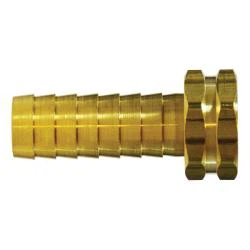
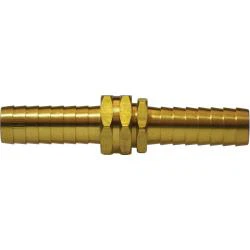
Hey there! As a supplier of air brake fittings, I've seen firsthand how these seemingly small components can have a huge impact on the performance of an air brake system. In this blog, I'm gonna break down the ins and outs of how air brake fittings affect your system, so you can make informed decisions when it comes to choosing the right ones for your needs.
The Basics of Air Brake Systems
Before we dive into the role of air brake fittings, let's quickly go over how an air brake system works. An air brake system uses compressed air to apply the brakes on a vehicle. When you step on the brake pedal, it activates a valve that releases compressed air from the air tank. This air then travels through a series of pipes and hoses to the brake chambers, where it pushes a piston that applies the brakes.
The Role of Air Brake Fittings
Air brake fittings are the connectors that join the various components of an air brake system together. They ensure a secure and leak - free connection between pipes, hoses, valves, and other parts. Without proper fittings, the air brake system wouldn't be able to function effectively.
One of the most important functions of air brake fittings is to maintain the integrity of the air pressure within the system. If there are any leaks in the fittings, the air pressure will drop, which can lead to reduced braking performance. This is especially dangerous in large vehicles like trucks and buses, where the braking system needs to be highly reliable.
Types of Air Brake Fittings and Their Impact
There are several types of air brake fittings, each with its own unique characteristics and impact on the system's performance.
Compression Fittings
Compression fittings are commonly used in air brake systems. They work by compressing a ring or ferrule onto the pipe or hose to create a tight seal. These fittings are relatively easy to install and can be reused in some cases. However, if they're not installed correctly, they can leak. A leaking compression fitting can cause a gradual loss of air pressure, which may not be immediately noticeable but can lead to long - term braking problems.
Flare Fittings
Flare fittings create a seal by flaring the end of the pipe or hose and then tightening a nut onto a mating fitting. They provide a very reliable and leak - resistant connection. Flare fittings are often used in high - pressure applications. If you use high - quality flare fittings, you can expect consistent air pressure in your system, which translates to better braking performance. For example, the Air Brake Copper Tubing Female Adapter is a type of flare fitting that can ensure a secure connection between copper tubing and other components.
Elbow Fittings
Elbow fittings, like the 90° Female Elbow, are used to change the direction of the air flow within the system. They are crucial for routing the air lines around obstacles in the vehicle. However, if the elbow fitting has a sharp bend or a rough interior surface, it can cause a restriction in the air flow. This restriction can slow down the delivery of air to the brake chambers, resulting in delayed braking response.
Valve Fittings
Valve fittings are used to connect valves to the rest of the air brake system. For instance, the FLARE X MIP Truck Valve is designed to control the flow of air in the system. A faulty valve fitting can prevent the valve from opening or closing properly, which can lead to either a lack of braking power or the brakes staying engaged when they shouldn't.
Material Quality of Air Brake Fittings
The material of the air brake fittings also plays a significant role in the system's performance.
Brass Fittings
Brass is a popular material for air brake fittings because it's corrosion - resistant and relatively strong. Brass fittings can withstand the rigors of daily use in various environmental conditions. However, over time, brass can still corrode, especially in areas with high humidity or exposure to road salt. Corroded fittings can develop leaks and may need to be replaced.
Stainless Steel Fittings
Stainless steel fittings are more resistant to corrosion than brass. They are a great choice for vehicles that operate in harsh environments. The high strength of stainless steel also means that these fittings are less likely to break or crack under stress. This helps to maintain the overall integrity of the air brake system.
Plastic Fittings
Plastic fittings are lightweight and inexpensive. They are often used in some non - critical applications. However, they are not as durable as metal fittings and can be more prone to cracking and breaking. A broken plastic fitting can cause an immediate loss of air pressure and render the braking system ineffective.


Installation and Maintenance of Air Brake Fittings
Proper installation of air brake fittings is essential for optimal performance. When installing fittings, it's important to follow the manufacturer's instructions carefully. This includes using the right tools and tightening the fittings to the correct torque.
Regular maintenance is also crucial. Inspect the fittings regularly for signs of wear, corrosion, or damage. Check for any leaks by applying a soapy water solution to the fittings and looking for bubbles. If you find any issues, replace the fittings immediately.
Impact on Braking Performance
The performance of the air brake system directly affects the vehicle's braking ability. If the air brake fittings are of poor quality or not installed correctly, the following problems can occur:
Reduced Braking Power
As mentioned earlier, leaks in the fittings can cause a drop in air pressure. This means that the brake chambers may not receive enough air to fully apply the brakes, resulting in reduced braking power. In an emergency situation, this can be extremely dangerous.
Delayed Braking Response
Restrictions in the air flow due to poorly designed or damaged fittings can cause a delay in the delivery of air to the brake chambers. This delay can make it difficult for the driver to stop the vehicle in time, especially at high speeds.
Inconsistent Braking
If there are differences in the air pressure between different parts of the system due to fitting problems, the brakes may not apply evenly. This can cause the vehicle to pull to one side when braking, which is a serious safety hazard.
Conclusion
In conclusion, air brake fittings play a vital role in the performance of an air brake system. From maintaining air pressure to ensuring proper air flow, every aspect of the fitting affects how well the brakes work. As a supplier of air brake fittings, I understand the importance of providing high - quality products. Whether you need compression fittings, flare fittings, or any other type, we have a wide range of options to meet your needs.
If you're in the market for air brake fittings, I encourage you to get in touch with us. We can help you choose the right fittings for your vehicle and ensure that you get the best performance from your air brake system. Don't compromise on safety – choose reliable air brake fittings for your vehicle.
References
- "Air Brake Handbook" by the Commercial Vehicle Safety Alliance
- Industry standards and guidelines for air brake systems published by relevant regulatory bodies.