

Single barb fittings are essential components in various fluid systems, providing a reliable connection between hoses and other equipment. Over time, these fittings can accumulate dirt, debris, and contaminants, which may affect their performance and longevity. As a single barb fittings supplier, I understand the importance of maintaining these fittings in optimal condition. In this blog post, I'll share some effective methods on how to clean single barb fittings.
Why Cleaning Single Barb Fittings is Important
Before diving into the cleaning process, it's crucial to understand why regular cleaning is necessary. Single barb fittings are often used in environments where they come into contact with different substances, such as water, chemicals, and oils. These substances can leave residues on the fittings, leading to clogs, corrosion, and reduced flow rates. A dirty fitting may also cause leaks, which can result in system inefficiencies and potential safety hazards. By keeping the single barb fittings clean, you can ensure smooth operation, extend their lifespan, and prevent costly repairs or replacements.
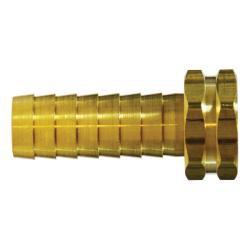

Pre - cleaning Preparation
- Gather the Necessary Tools and Materials
- Cleaning Solutions: Depending on the type of contaminants on the fittings, you can choose different cleaning solutions. For general dirt and debris, a mild soap and water solution can be effective. If there are stubborn stains or chemical residues, you may need a specialized cleaning agent, such as a degreaser or a rust remover.
- Brushes: Soft - bristled brushes are ideal for cleaning single barb fittings without scratching the surface. You can use a toothbrush for hard - to - reach areas and a larger brush for the main body of the fitting.
- Rags or Towels: These are used for drying the fittings after cleaning.
- Safety Equipment: If you are using chemical cleaning agents, it's important to wear gloves and safety goggles to protect yourself from potential hazards.
- Disconnect the Fittings
Before cleaning, make sure to disconnect the single barb fittings from the hoses or other equipment. This will allow you to clean them more thoroughly and prevent any damage to the connected components. Label the fittings and their corresponding connections if necessary to ensure proper reinstallation later.
Cleaning Process
- Initial Inspection
Examine the single barb fittings carefully to identify the type and location of the contaminants. Look for signs of rust, scale, or debris buildup. This will help you determine the most appropriate cleaning method and solution. - Soaking
- If the fittings are heavily soiled, you can soak them in the cleaning solution for a period of time. Fill a container with the chosen cleaning solution and submerge the fittings completely. Let them soak for at least 15 - 30 minutes, or longer for more stubborn contaminants.
- During the soaking process, the cleaning solution will start to break down the dirt and debris, making it easier to remove later.
- Brushing
After soaking, take the fittings out of the cleaning solution and use the brushes to scrub away the remaining contaminants. Pay special attention to the barbs, as they are the areas that come into contact with the hoses and can accumulate a lot of dirt. Use gentle but firm pressure to avoid damaging the fittings.- For the internal passages of the fittings, you can use a pipe cleaner or a small - diameter brush to remove any debris.
- Rinsing
Once you have finished brushing, rinse the single barb fittings thoroughly with clean water. Make sure to remove all traces of the cleaning solution and contaminants. You can use a hose or a sink to rinse the fittings. - Drying
Use a clean rag or towel to dry the fittings completely. Moisture left on the fittings can lead to rust and corrosion over time. You can also let the fittings air - dry for a few hours to ensure they are completely dry before reinstallation.
Special Considerations for Different Materials
- Brass Fittings
Brass is a common material for single barb fittings. When cleaning brass fittings, avoid using abrasive cleaners or brushes that can scratch the surface. A mild soap and water solution is usually sufficient for regular cleaning. If there are signs of tarnish, you can use a brass cleaner specifically designed for this purpose. - Plastic Fittings
Plastic single barb fittings are lightweight and resistant to corrosion. However, they can be easily damaged by harsh chemicals. Use a mild cleaning solution and a soft - bristled brush to clean plastic fittings. Avoid using solvents or abrasive materials that may cause the plastic to crack or become brittle.
Reinstallation
After the single barb fittings are clean and dry, it's time to reinstall them. Make sure to check the hoses and other connected components for any signs of damage or wear. Replace any damaged parts before reconnecting the fittings.
- Lubricate the barbs slightly with a suitable lubricant, such as silicone grease, to make the hose installation easier and prevent leaks.
- Connect the hoses to the fittings firmly, ensuring a tight seal. You can use hose clamps if necessary to secure the connection.
Related Products
As a single barb fittings supplier, we also offer a wide range of related products, such as Composite Female Elbow 90° Swivel, Reducer Coupling, and Rod Brass 2 Shank. These products are designed to work seamlessly with single barb fittings and can enhance the performance of your fluid systems.
Conclusion
Cleaning single barb fittings is a simple yet important maintenance task that can significantly improve their performance and lifespan. By following the steps outlined in this blog post, you can ensure that your single barb fittings remain in optimal condition. If you have any questions about cleaning or using our single barb fittings, or if you are interested in purchasing our products, please feel free to contact us. We are committed to providing high - quality products and excellent customer service.
References
- "Fluid System Fittings Handbook", a technical guide on the maintenance and care of fluid system components.
- Manufacturer's instructions for single barb fittings.


