

Connecting welded hose fittings to hoses is a crucial process that ensures the proper functioning and safety of various systems, from industrial machinery to home appliances. As a supplier of high-quality welded hose fittings, I understand the importance of getting this connection right. In this blog post, I'll guide you through the step-by-step process of connecting welded hose fittings to hoses, highlighting the key considerations and best practices along the way.
Understanding Welded Hose Fittings
Before we dive into the connection process, it's essential to have a basic understanding of welded hose fittings. These fittings are designed to be permanently attached to hoses through a welding process, creating a strong and reliable connection. They come in various types, including Left Hand Nut, Right Hand Welding Hose Connector, and Right Hand Nut, each serving a specific purpose and application.

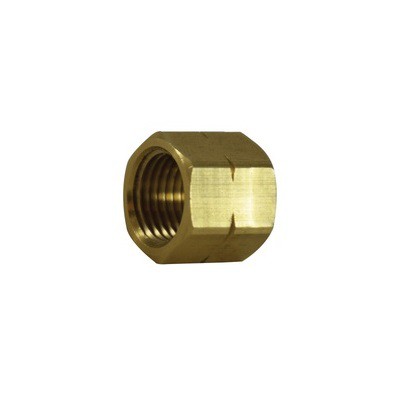
Step 1: Select the Right Fittings
The first step in connecting welded hose fittings to hoses is to select the right fittings for your application. Consider the following factors when making your selection:
- Hose Size: Ensure that the fittings you choose are compatible with the size of your hose. Using the wrong size fittings can result in leaks or a weak connection.
- Material: The material of the fittings should be compatible with the material of the hose and the fluid or gas that will be flowing through it. Common materials for welded hose fittings include stainless steel, brass, and aluminum.
- Pressure Rating: The pressure rating of the fittings should be appropriate for the pressure of the system. Using fittings with a lower pressure rating than the system can lead to failures and safety hazards.
- End Type: Consider the end type of the fittings, such as male or female threads, flanges, or quick-connect couplings. Choose the end type that is compatible with the other components in your system.
Step 2: Prepare the Hose
Once you have selected the right fittings, it's time to prepare the hose for connection. Follow these steps to prepare the hose:
- Cut the Hose: Use a sharp hose cutter to cut the hose to the desired length. Make sure the cut is clean and straight to ensure a proper connection.
- Deburr the Hose: Use a deburring tool to remove any burrs or rough edges from the cut end of the hose. This will prevent damage to the fittings and ensure a tight seal.
- Clean the Hose: Clean the inside and outside of the hose using a mild detergent and water. Rinse the hose thoroughly and allow it to dry completely before proceeding.
Step 3: Weld the Fittings to the Hose
The next step is to weld the fittings to the hose. This is a critical step that requires proper equipment and techniques. Follow these steps to weld the fittings to the hose:
- Set Up the Welding Equipment: Set up the welding equipment according to the manufacturer's instructions. Make sure the welding machine is properly grounded and the welding electrodes or filler material are appropriate for the material of the fittings and the hose.
- Position the Fittings: Position the fittings on the end of the hose, making sure they are aligned properly. Use clamps or fixtures to hold the fittings in place during the welding process.
- Weld the Fittings: Start the welding process by striking an arc and melting the base metal of the fittings and the hose. Add filler material as needed to create a strong and continuous weld. Move the welding torch or electrode along the joint, maintaining a consistent speed and angle. Make sure the weld is uniform and free of defects, such as porosity or cracks.
- Cool the Weld: Allow the weld to cool slowly to prevent cracking or distortion. Avoid quenching the weld with water or other coolants, as this can cause the weld to become brittle.
Step 4: Inspect the Weld
After welding the fittings to the hose, it's important to inspect the weld to ensure its quality and integrity. Follow these steps to inspect the weld:
- Visual Inspection: Visually inspect the weld for any signs of defects, such as cracks, porosity, or incomplete fusion. The weld should be smooth and uniform, with no visible gaps or voids.
- Dye Penetrant Inspection: If necessary, perform a dye penetrant inspection to detect any surface cracks or defects in the weld. This involves applying a dye penetrant to the surface of the weld, allowing it to penetrate any cracks or defects, and then removing the excess dye. A developer is then applied to the surface to make the cracks or defects visible.
- Pressure Test: Perform a pressure test on the welded hose assembly to ensure it can withstand the pressure of the system. This involves filling the hose with a fluid or gas and applying pressure to the system. Monitor the pressure and check for any leaks or drops in pressure.
Step 5: Install the Welded Hose Assembly
Once the weld has been inspected and approved, it's time to install the welded hose assembly in your system. Follow these steps to install the welded hose assembly:
- Position the Hose Assembly: Position the welded hose assembly in the system, making sure it is properly aligned and supported. Use clamps or brackets to secure the hose assembly in place.
- Connect the Hose Assembly: Connect the welded hose assembly to the other components in your system, such as valves, pumps, or tanks. Use the appropriate tools and techniques to ensure a tight and secure connection.
- Test the System: Once the hose assembly is installed, test the system to ensure it is functioning properly. Check for any leaks or abnormal noises and make any necessary adjustments.
Best Practices for Connecting Welded Hose Fittings to Hoses
To ensure a successful connection of welded hose fittings to hoses, follow these best practices:
- Use Proper Safety Equipment: Wear appropriate safety equipment, such as welding gloves, goggles, and a welding helmet, when welding the fittings to the hose.
- Follow the Manufacturer's Instructions: Follow the manufacturer's instructions for the welding equipment and the fittings. This will ensure that you are using the equipment and techniques correctly and safely.
- Practice Good Welding Techniques: Use proper welding techniques, such as maintaining a consistent speed and angle, adding filler material as needed, and allowing the weld to cool slowly. This will help you create a strong and reliable weld.
- Inspect the Weld Regularly: Inspect the weld regularly for any signs of wear, damage, or corrosion. Replace the welded hose assembly if necessary to prevent failures and safety hazards.
Conclusion
Connecting welded hose fittings to hoses is a complex process that requires proper equipment, techniques, and attention to detail. By following the steps outlined in this blog post and using the best practices, you can ensure a successful connection and a reliable and safe system. As a supplier of high-quality welded hose fittings, I am committed to providing you with the products and support you need to meet your application requirements. If you have any questions or need assistance with connecting welded hose fittings to hoses, please don't hesitate to contact me. I look forward to working with you to find the right solutions for your needs.
References
- ASME B31.3 - Process Piping
- AWS D1.1 - Structural Welding Code - Steel
- ISO 1127 - Stainless Steel Tubes for General and Structural Purposes


