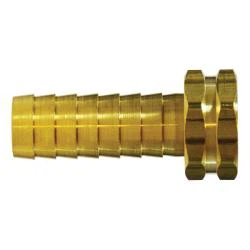
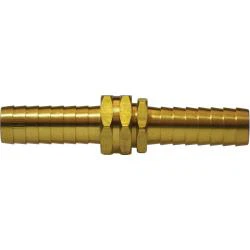
Compression fittings and quick-connect fittings are two commonly used types of connectors in various industries, especially in plumbing, HVAC, and fluid transfer systems. As a compression fittings supplier, I'm often asked about the differences between these two types of fittings. In this blog post, I'll delve into the details of both compression and quick-connect fittings, highlighting their differences, advantages, and ideal applications.
Basics of Compression Fittings
Compression fittings are a traditional and reliable method of joining pipes and tubes. They consist of three main components: a compression nut, a compression ring (also known as a ferrule), and a fitting body. The process of installing a compression fitting involves placing the compression ring onto the pipe or tube, then inserting the pipe into the fitting body. The compression nut is then tightened onto the fitting body, which compresses the ring around the pipe, creating a tight seal.
One of the key advantages of compression fittings is their durability. The compression ring creates a strong, leak-proof seal that can withstand high pressures and temperatures. This makes them suitable for a wide range of applications, including water supply systems, gas lines, and hydraulic systems. Compression fittings are also reusable, which means they can be removed and reinstalled multiple times without losing their effectiveness.
Another benefit of compression fittings is their ease of installation. Unlike some other types of fittings, compression fittings do not require special tools or skills to install. A simple wrench is usually all that is needed to tighten the compression nut and create a secure connection. This makes them a popular choice for DIY projects and professional installations alike.
Examples of Compression Fittings
There are many different types of compression fittings available, each designed for specific applications. Some common examples include Cap, Reducer Forged Elbow, and Bulkhead Union.
-
Cap: A compression cap is used to seal the end of a pipe or tube. It is typically installed by placing the compression ring over the end of the pipe and then screwing the cap onto the pipe using the compression nut. The cap provides a watertight seal, preventing leaks and protecting the interior of the pipe from contamination.
-
Reducer Forged Elbow: A reducer forged elbow is a type of compression fitting that is used to change the direction of a pipe and reduce its diameter at the same time. It is commonly used in plumbing and HVAC systems to connect pipes of different sizes and to create smooth bends in the piping layout.
-
Bulkhead Union: A bulkhead union is a compression fitting that is used to connect a pipe or tube to a panel or wall. It consists of two parts: a male fitting that is installed on the outside of the panel and a female fitting that is installed on the inside. The two parts are joined together using a compression nut, creating a leak-proof seal.
Basics of Quick-Connect Fittings
Quick-connect fittings, as the name suggests, are designed for fast and easy installation. They are typically used in applications where frequent connection and disconnection are required, such as in pneumatic systems, water filtration systems, and some types of machinery.
Quick-connect fittings work on the principle of a push-to-connect mechanism. To install a quick-connect fitting, you simply insert the pipe or tube into the fitting until it clicks into place. There is no need to tighten nuts or use any special tools. To disconnect the fitting, you usually need to press a release collar or button, which allows the pipe to be removed.
One of the main advantages of quick-connect fittings is their speed of installation. They can significantly reduce the time and effort required to connect and disconnect pipes, making them ideal for applications where time is of the essence. Quick-connect fittings are also very convenient, as they can be easily installed and removed without the need for specialized skills.
Key Differences
Installation Process
The most obvious difference between compression fittings and quick-connect fittings is the installation process. Compression fittings require the use of a wrench to tighten the compression nut, which can take some time and skill to do correctly. In contrast, quick-connect fittings can be installed in seconds with just a simple push. This makes quick-connect fittings a better choice for applications where speed is important, such as in a production line or for temporary installations.
Seal Quality
Another important difference is the quality of the seal. Compression fittings create a very tight, reliable seal that can withstand high pressures and temperatures. The compression ring deforms around the pipe, creating a metal-to-metal seal that is resistant to leaks. Quick-connect fittings, on the other hand, rely on an O-ring or other sealing mechanism to create a seal. While these seals are generally effective, they may not be as durable as compression fittings in high-pressure or high-temperature applications.
Reusability
Both compression and quick-connect fittings are reusable, but there are some differences. Compression fittings can be removed and reinstalled multiple times with little to no loss of performance, as long as the compression ring is in good condition. Quick-connect fittings can also be reused, but frequent connection and disconnection may cause wear and tear on the sealing components, which could eventually lead to leaks.


Cost
Cost is also a factor to consider. Compression fittings are generally less expensive than quick-connect fittings, especially for larger sizes. This is because the manufacturing process for compression fittings is simpler and requires less specialized materials. However, when you factor in the cost of labor, quick-connect fittings may be more cost-effective in applications where installation time is a major consideration.
Ideal Applications
Compression Fittings
-
Permanent Installations: Compression fittings are ideal for permanent installations where a long-lasting, reliable seal is required. For example, in water supply systems, gas lines, and hydraulic systems, compression fittings provide a secure connection that can withstand the test of time.
-
High-Pressure and High-Temperature Applications: Due to their strong sealing mechanism, compression fittings are well-suited for high-pressure and high-temperature applications. They can be used in industrial processes, such as chemical manufacturing and power generation, where the integrity of the piping system is critical.
Quick-Connect Fittings
-
Temporary Installations: Quick-connect fittings are perfect for temporary installations or applications where frequent disconnection is required. For example, in a laboratory setting, quick-connect fittings can be used to connect and disconnect different types of equipment quickly and easily.
-
Pneumatic Systems: In pneumatic systems, where air is used to power machinery, quick-connect fittings are commonly used because they allow for quick and easy installation and maintenance.
Conclusion
In conclusion, both compression fittings and quick-connect fittings have their own unique advantages and are suitable for different applications. As a compression fittings supplier, I understand the importance of choosing the right fitting for the job. Compression fittings offer durability, reliability, and a strong seal, making them a great choice for permanent installations and high-pressure applications. Quick-connect fittings, on the other hand, provide speed and convenience, making them ideal for temporary installations and applications where frequent connection and disconnection are required.
If you're in the market for compression fittings, I'd be happy to help you find the right products for your needs. Whether you need Cap, Reducer Forged Elbow, Bulkhead Union, or any other type of compression fitting, I can provide you with high-quality products at competitive prices. Don't hesitate to contact me for more information or to start a procurement discussion.
References
- ASME B16.11 - Forged Fittings, Socket - Welding and Threaded
- ASTM Standards for Pipe and Fittings Materials
- Manufacturer's Technical Documentation for Compression and Quick - Connect Fittings