

The inner diameter of a garden female hose is a crucial specification that significantly impacts its performance and suitability for various gardening tasks. As a leading supplier of garden female hoses, we understand the importance of this dimension and its implications for our customers. In this blog post, we will delve into the concept of the inner diameter of a garden female hose, its significance, common sizes, and how it relates to the overall functionality of the hose.
Understanding the Inner Diameter
The inner diameter (ID) of a garden female hose refers to the measurement of the hollow space inside the hose. It is typically measured in inches or millimeters and is a key factor in determining the water flow rate and pressure within the hose. A larger inner diameter allows for a greater volume of water to pass through the hose, resulting in a higher flow rate. Conversely, a smaller inner diameter restricts the water flow, reducing the rate at which water can be delivered.
Significance of the Inner Diameter
The inner diameter of a garden female hose plays a vital role in several aspects of its performance:
- Water Flow Rate: As mentioned earlier, the inner diameter directly affects the water flow rate. A larger ID enables a more substantial volume of water to flow through the hose, making it ideal for tasks that require a high volume of water, such as filling large containers or watering extensive garden areas. On the other hand, a smaller ID may be sufficient for tasks that demand a lower flow rate, such as watering delicate plants or using a handheld sprayer.
- Water Pressure: The inner diameter also influences the water pressure within the hose. A smaller ID can increase the water pressure, which can be beneficial for tasks that require a strong, focused stream of water, such as cleaning driveways or removing debris. However, it's important to note that excessive pressure can also cause damage to the hose or fittings, so it's crucial to choose the appropriate inner diameter based on your specific needs.
- Compatibility: The inner diameter of the garden female hose must be compatible with the fittings and attachments you plan to use. Most garden hoses and fittings are designed to work together based on standard inner diameter sizes. Ensuring compatibility is essential to prevent leaks and ensure a secure connection between the hose and other components of your watering system.
Common Inner Diameter Sizes
Garden female hoses are available in a variety of inner diameter sizes, with the most common ones being:
- 1/2 Inch (12.7 mm): This is one of the most widely used sizes for residential gardening. It offers a good balance between water flow rate and pressure, making it suitable for a range of tasks, including watering plants, filling small pools, and using handheld sprayers.
- 5/8 Inch (15.9 mm): A slightly larger inner diameter than the 1/2-inch hose, the 5/8-inch hose provides a higher flow rate, making it ideal for larger gardens or areas that require more water. It is also commonly used for commercial gardening applications.
- 3/4 Inch (19.1 mm): This is the largest common inner diameter size for garden hoses. It offers the highest water flow rate and is typically used for heavy-duty tasks, such as filling large ponds or using high-pressure sprinklers.
Choosing the Right Inner Diameter
Selecting the appropriate inner diameter for your garden female hose depends on several factors, including:
- Water Source: The water pressure and flow rate available from your water source will play a significant role in determining the suitable inner diameter. If you have a high-pressure water supply, you may be able to use a larger inner diameter hose to achieve a higher flow rate. Conversely, if your water pressure is low, a smaller inner diameter hose may be more appropriate to maintain sufficient pressure.
- Gardening Tasks: Consider the specific tasks you will be using the hose for. If you primarily water small flower beds or use a handheld sprayer, a 1/2-inch hose may be sufficient. However, if you have a large garden or need to fill large containers, a 5/8-inch or 3/4-inch hose may be more suitable.
- Fittings and Attachments: Ensure that the inner diameter of the hose is compatible with the fittings and attachments you plan to use. Most garden hoses and fittings are designed to work together based on standard inner diameter sizes, so it's important to choose the right combination to prevent leaks and ensure a secure connection.
Our Range of Garden Female Hoses
As a trusted supplier of garden female hoses, we offer a wide range of products with different inner diameter sizes to meet the diverse needs of our customers. Our hoses are made from high-quality materials that are durable, flexible, and resistant to kinking and abrasion. We also provide a variety of fittings and attachments to ensure compatibility and ease of use.
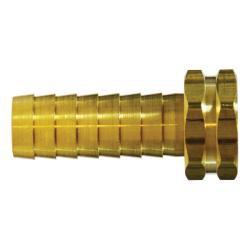
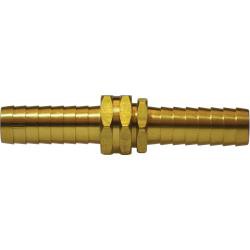
In addition to our standard garden female hoses, we also offer specialized hoses for specific applications, such as Rod Brass Long 2 Shank and Rod Brass 2 Shank, which are designed for use with heavy-duty equipment and high-pressure water systems.
Conclusion
The inner diameter of a garden female hose is a critical factor that determines its performance and suitability for various gardening tasks. By understanding the significance of the inner diameter and choosing the right size for your specific needs, you can ensure efficient water delivery, optimal pressure, and a hassle-free gardening experience.
If you have any questions or need assistance in selecting the right garden female hose for your needs, please don't hesitate to [contact us](insert contact link). Our team of experts is always ready to help you find the perfect solution for your gardening requirements.
References
- "Garden Hose Sizing Guide." Gardening Know How.
- "Understanding Garden Hose Inner Diameter." The Spruce.
- "Choosing the Right Garden Hose." Home Depot.


