

As a seasoned supplier of garden female hoses, I've encountered numerous inquiries regarding the water pressure capacity of these essential gardening tools. Understanding the water pressure capacity is crucial for ensuring efficient water delivery, preventing hose damage, and achieving optimal performance in various gardening tasks. In this blog post, I'll delve into the factors that influence the water pressure capacity of a garden female hose, provide practical insights, and recommend suitable hose fittings to enhance your gardening experience.
Factors Affecting Water Pressure Capacity
The water pressure capacity of a garden female hose is determined by several key factors, including the hose material, diameter, length, and the quality of its construction. Let's take a closer look at each of these factors:
Hose Material
The material used to manufacture the garden hose plays a significant role in its water pressure capacity. Common hose materials include rubber, vinyl, and polyurethane. Rubber hoses are known for their durability, flexibility, and high resistance to kinking, making them suitable for handling higher water pressures. Vinyl hoses, on the other hand, are lightweight and affordable but may have a lower water pressure capacity compared to rubber hoses. Polyurethane hoses offer a balance between durability and flexibility, with a relatively high water pressure capacity.
Hose Diameter
The diameter of the garden hose directly affects its water flow rate and pressure capacity. A larger diameter hose allows for a greater volume of water to flow through, resulting in higher water pressure and a more powerful stream. However, larger diameter hoses may also be heavier and more cumbersome to handle. Conversely, a smaller diameter hose may have a lower water pressure capacity but can be more maneuverable and suitable for lighter gardening tasks.
Hose Length
The length of the garden hose can also impact its water pressure capacity. As water travels through the hose, friction between the water and the inner walls of the hose causes a loss of pressure. Therefore, longer hoses tend to have a lower water pressure at the end compared to shorter hoses. To maintain adequate water pressure, it's important to choose a hose length that is appropriate for your gardening needs. If you require a longer hose, consider using a larger diameter hose to compensate for the pressure loss.
Hose Construction
The quality of the hose construction, including the thickness of the walls and the strength of the fittings, can also affect its water pressure capacity. A hose with thicker walls is generally more resistant to bursting and can withstand higher water pressures. Additionally, high-quality fittings ensure a secure connection between the hose and the water source or other accessories, preventing leaks and maintaining optimal water pressure.
Understanding Water Pressure Ratings
Garden hoses are typically rated for a maximum working pressure, which indicates the highest water pressure that the hose can safely handle without bursting or leaking. The maximum working pressure is usually expressed in pounds per square inch (PSI). When choosing a garden female hose, it's important to select a hose with a maximum working pressure that is suitable for your water supply.
Most residential water supplies have a water pressure ranging from 40 to 80 PSI. Therefore, a garden hose with a maximum working pressure of at least 80 PSI is generally recommended to ensure reliable performance. However, if you have a high-pressure water supply or plan to use the hose for heavy-duty tasks, such as power washing or filling large containers, you may need a hose with a higher maximum working pressure.
Choosing the Right Hose Fittings
In addition to selecting a garden hose with an appropriate water pressure capacity, choosing the right hose fittings is also essential for maintaining optimal water pressure and preventing leaks. Here are some common types of hose fittings and their features:
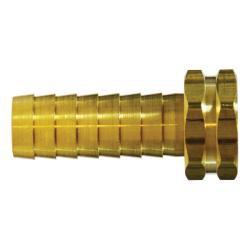
Rod Brass 2 Shank
The Rod Brass 2 Shank is a popular type of hose fitting that provides a secure and reliable connection between the hose and the water source or other accessories. Made from high-quality brass, this fitting is corrosion-resistant and durable, ensuring a long lifespan. The 2 shank design allows for easy installation and removal, making it a convenient choice for both professional gardeners and DIY enthusiasts.
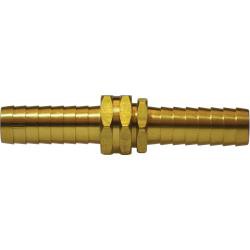
Rod Brass Long 2 Shank
The Rod Brass Long 2 Shank is a variation of the Rod Brass 2 Shank fitting, featuring a longer shank for added flexibility and reach. This fitting is ideal for connecting hoses to hard-to-reach areas or for use with hoses that require a longer connection. Like the standard Rod Brass 2 Shank fitting, the Rod Brass Long 2 Shank is made from brass and is designed to withstand high water pressures.
Tips for Maintaining Water Pressure
To ensure that your garden female hose maintains optimal water pressure and performance, here are some tips to keep in mind:
- Inspect the hose regularly: Check the hose for any signs of damage, such as cracks, leaks, or kinks. Replace any damaged hoses or fittings immediately to prevent further problems.
- Flush the hose before use: Before using the hose, turn on the water and let it run for a few seconds to flush out any debris or sediment that may have accumulated in the hose. This helps to maintain a clear flow of water and prevents clogs.
- Avoid kinking the hose: Kinking the hose can restrict the flow of water and cause a loss of pressure. To prevent kinking, use a hose reel or storage system to keep the hose organized and tangle-free.
- Use a pressure regulator: If you have a high-pressure water supply, consider using a pressure regulator to reduce the water pressure to a safe and manageable level. This can help to prevent damage to the hose and other accessories.
- Store the hose properly: When not in use, store the hose in a cool, dry place away from direct sunlight and extreme temperatures. This helps to prevent the hose from deteriorating and extends its lifespan.
Conclusion
In conclusion, understanding the water pressure capacity of a garden female hose is essential for ensuring efficient water delivery, preventing hose damage, and achieving optimal performance in various gardening tasks. By considering factors such as the hose material, diameter, length, and construction, you can choose a hose that is suitable for your gardening needs and can withstand the water pressure of your water supply. Additionally, choosing the right hose fittings and following proper maintenance practices can help to maintain optimal water pressure and extend the lifespan of the hose.
If you're in the market for a high-quality garden female hose or need assistance in selecting the right hose and fittings for your gardening needs, please don't hesitate to contact us. Our team of experts is dedicated to providing you with the best products and advice to help you create a beautiful and thriving garden.
References
- "Understanding Water Pressure and Flow Rates for Garden Hoses." Gardening Know How.
- "How to Choose the Right Garden Hose." This Old House.
- "Tips for Maintaining Your Garden Hose." Home Depot.


