

Yo, folks! As a supplier of drain cocks, I've seen firsthand the importance of safety when it comes to using these little but crucial components in fuel systems. In this blog, I'm gonna break down all the safety measures you should take when using drain cocks in fuel systems.
First off, let's talk about what drain cocks are and why they're so important. Drain cocks are valves used to drain off any accumulated water, sediment, or other contaminants from fuel systems. You see, water and sediment can build up in fuel tanks over time, and if they're not removed, they can cause all sorts of problems. Water can lead to corrosion in the fuel system, and sediment can clog up filters and injectors, reducing the efficiency of the engine and even causing it to break down.
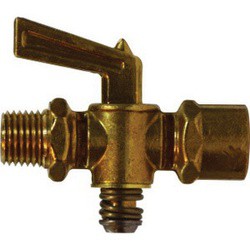
Now, onto the safety measures.
1. Proper Installation
The first step to using drain cocks safely is to make sure they're installed correctly. A poorly installed drain cock can lead to leaks, which can be extremely dangerous in a fuel system. When installing a drain cock, you need to ensure that it's compatible with the fuel system it's being used in. Different fuels have different chemical properties, and not all drain cocks are suitable for all types of fuel. For example, some drain cocks are designed specifically for gasoline, while others are better suited for diesel.
You also need to make sure that the drain cock is installed in the right location. It should be easily accessible so that it can be drained regularly, but it also needs to be in a place where it won't be damaged by moving parts or other equipment. And of course, you need to follow the manufacturer's instructions carefully when installing the drain cock. This includes using the right tools and tightening the connections to the correct torque.
2. Regular Inspection
Once the drain cock is installed, regular inspection is a must. You should check the drain cock for any signs of wear and tear, such as cracks or leaks. Even a small leak can be a big problem in a fuel system, as fuel is highly flammable. Look for any signs of fuel around the drain cock or on the ground below it. If you notice any leaks, you need to replace the drain cock immediately.
In addition to checking for leaks, you should also inspect the drain cock for any blockages. Over time, sediment and other contaminants can build up inside the drain cock, preventing it from draining properly. If you find that the drain cock is blocked, you can try cleaning it with a suitable solvent. However, if the blockage is severe, it's best to replace the drain cock.
3. Safe Draining Procedures
When it comes to draining the fuel system using the drain cock, there are some important safety procedures to follow. First of all, you need to make sure that the engine is turned off and that all sources of ignition are removed from the area. This includes cigarettes, open flames, and electrical sparks. Fuel vapors are highly flammable, and even a small spark can cause an explosion.
You should also use the right containers to collect the drained fuel and contaminants. These containers should be made of a non - sparking material and should be properly labeled. Never use plastic containers, as they can generate static electricity, which can also cause a spark.
When draining the fuel, do it slowly and carefully. Don't rush the process, as this can cause splashing, which can increase the risk of fuel vapors being released into the air. And make sure that the drained fuel is disposed of properly. You can't just pour it down the drain or throw it in the trash. There are specific regulations for the disposal of fuel and fuel - related contaminants, so make sure you follow them.
4. Pressure Considerations
Fuel systems operate under pressure, and it's important to take this into account when using drain cocks. Before opening the drain cock, you need to relieve the pressure in the fuel system. This can usually be done by following the manufacturer's instructions for pressure relief.
You also need to make sure that the drain cock you're using is rated for the pressure of the fuel system. For example, if you're dealing with a high - pressure fuel system, you need to use a drain cock that can handle that pressure. One great option is our Shut Off 150 PSI Max Drain Cocks. These drain cocks are designed to handle pressures up to 150 PSI, making them suitable for a wide range of fuel systems.
5. Training and Education
Finally, it's important that anyone who is responsible for using or maintaining drain cocks in fuel systems receives proper training and education. They need to understand the importance of safety and how to follow the correct procedures. This includes training on installation, inspection, draining, and pressure relief.
Training can be provided by the manufacturer of the drain cocks or by a professional training organization. It's also a good idea to have a safety manual on site that outlines all the safety procedures for using drain cocks in fuel systems.
In conclusion, using drain cocks in fuel systems is a task that requires careful attention to safety. By following these safety measures - proper installation, regular inspection, safe draining procedures, pressure considerations, and training - you can ensure that your fuel system operates safely and efficiently.
If you're in the market for high - quality drain cocks, we've got you covered. We offer a wide range of drain cocks that are designed to meet the needs of different fuel systems. Whether you need a drain cock for a small gasoline engine or a large diesel generator, we have the right product for you. So, if you're interested in learning more about our drain cocks or want to discuss your specific requirements, don't hesitate to reach out. Let's have a chat and see how we can help you keep your fuel system in top shape.
References
- Fuel System Safety Guidelines, Industry Standards Publication
- Manufacturer's Manuals for Drain Cocks
- Safety Regulations for Fuel and Fuel - Related Contaminant Disposal


