Cost
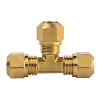
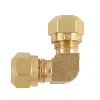
Brass: Medium to high. The price of raw materials (copper, zinc) fluctuates greatly, especially the price of copper. The processing (forging, casting, machining) cost is also high. However, due to its excellent overall performance, its long-term cost (considering maintenance, replacement) may be lower in areas that require reliability and durability.
Stainless steel: High. The cost of raw materials (alloy elements such as chromium and nickel) is high, and processing (especially welding and precision machining) is difficult and costly. Usually the most expensive option, but the extra-long life can dilute the cost.
Plastic: Low. The cost of raw materials (PVC, CPVC, PEX, PP, PVDF, etc.) is low, and processes such as injection molding are efficient and low-cost. It is usually the most cost-effective initial installation option.
Carbon steel: Low to medium. The cost of raw materials (iron) is the lowest, but processing (forging, casting, welding, galvanizing) and surface treatment (such as galvanizing for rust prevention) will increase costs. Galvanized carbon steel is a common choice for cost-sensitive projects.
Summary: Plastic ≈ Carbon Steel < Brass < Stainless Steel (initial cost). Long term total cost of ownership needs to consider durability, maintenance, and replacement costs.
Strength and Durability
Brass: Good to Excellent. Good tensile and yield strength, can withstand medium and high pressure systems. Good impact resistance, not easy to brittle. Medium wear resistance.
Stainless Steel: Excellent to Excellent. Highest tensile and yield strength, can withstand very high pressure. Extremely hard, very good wear resistance. Excellent impact resistance (austenitic stainless steel such as 304/316).
Plastic: Low to Medium. Lowest tensile and yield strength. Poor rigidity (easy to bend and deform), impact resistance varies by material (PVC is brittle, PEX is tough). Average wear resistance. Susceptible to UV aging (some types).
Carbon Steel: Excellent. Very high tensile and yield strength (higher than brass, close to stainless steel). Very hard, excellent wear resistance. But easy to brittle (especially at low temperatures or under impact), easy to corrode after the zinc coating is damaged.
Summary: Stainless Steel > Carbon Steel > Brass > Plastic (Mechanical Strength/Pressure Capacity).
Corrosion resistance
Brass: Good to excellent. Naturally resistant to water, steam, many chemicals, fuels and oils. Main weaknesses:
Dezincification corrosion: In certain soft water, brackish water or slow-flow hot water, zinc is selectively dissolved, resulting in porosity and reduced strength. Use of dezincification-inhibited brass can alleviate this.
Ammonia corrosion: Sensitive to ammonia and amines.
Acidic environment: Poor acid resistance.
Stainless steel: Excellent (especially austenitic 316). Forms a passive film with top resistance to water, atmosphere, many chemicals (including acids, alkalis), and salt spray (seawater). 304 is suitable for general environments, 316 is used in more harsh environments (such as marine, chemical). It is the most corrosion-resistant metal pipe material.
Plastic: Excellent (for specific media). Excellent resistance to corrosive media such as water, acids, alkalis, and salt solutions. It is one of the first choices in the chemical industry. Choosing the right type of plastic is crucial (such as PVDF has the strongest chemical resistance). But it may be corroded by certain organic solvents, hydrocarbons or ultraviolet rays.
Carbon steel: Poor. Very susceptible to rust and corrosion (oxidation). Surface protection (most commonly hot-dip galvanizing) is required. Corrosion occurs rapidly after the galvanizing layer is damaged (e.g. welding, cutting, scratching). Not suitable for corrosive environments or long-term exposure.
Summary: Stainless steel (316) > Plastic (select the right model) > Stainless steel (304) ≈ Brass (inhibits dezincification) > Brass (ordinary) > Carbon steel (galvanized) (comprehensive corrosion resistance). The environmental medium is the decisive factor.